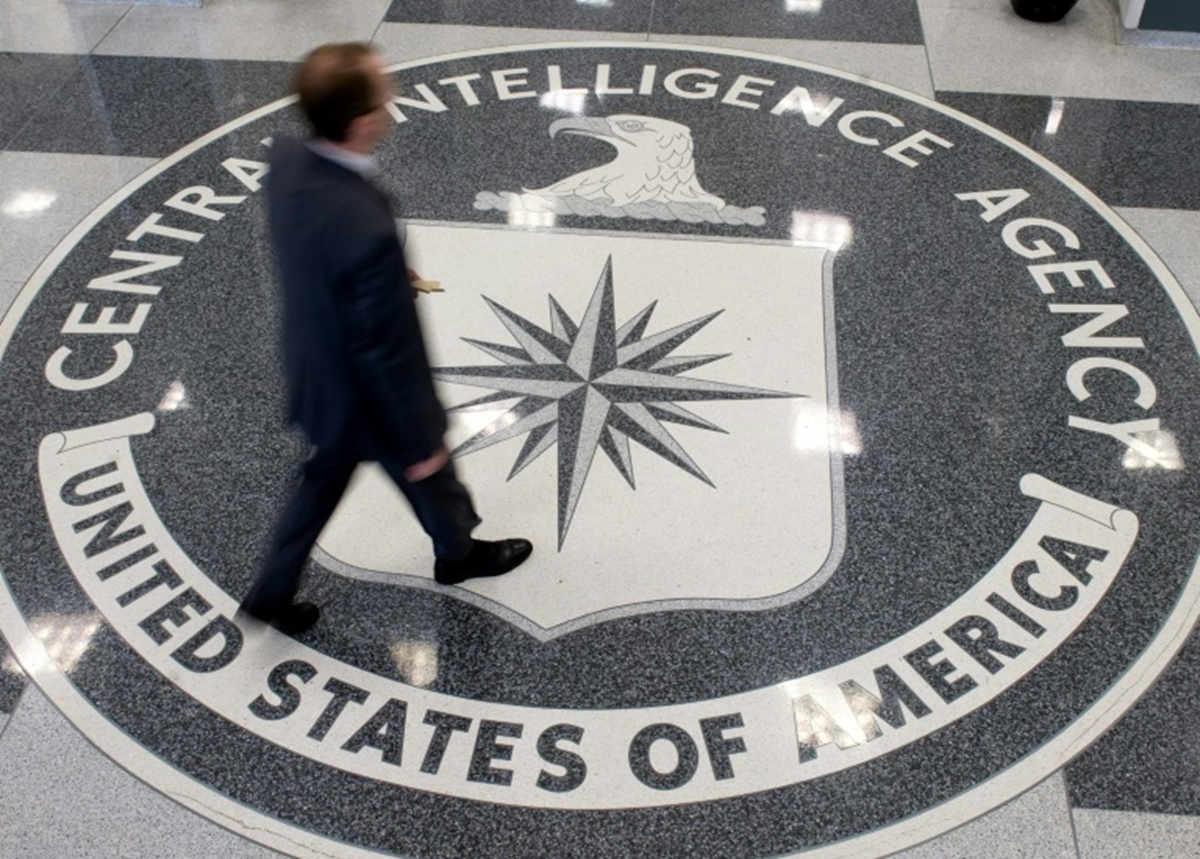
URGENT UPDATE: A newly resurfaced CIA document is igniting widespread outrage online as it suggests the agency reviewed research indicating a potential cancer treatment over **60 years ago**. The document, originally prepared in **February 1951**, has recently captured public attention after being shared on social media, raising questions about what the CIA knew and whether vital information was suppressed.
The document summarizes a Soviet scientific paper authored by **Professor V.V. Alpatov**, which explored the striking similarities between parasitic worms and cancerous tumors. It notes that both thrive under similar metabolic conditions, a finding that has both intrigued and alarmed the public. However, experts are clarifying that the document does not endorse any specific treatment or imply a hidden cure.
The CIA has maintained that the document, declassified in **2014**, was part of routine intelligence monitoring of foreign scientific advancements during the Cold War. The resurgence of interest is attributed to the viral spread on platforms like X (formerly Twitter), where claims about a conspiracy to suppress cancer cures have gained traction. Dr. Jason Williams, a surgeon, claimed, “The Americans knew. They read it, classified it CONFIDENTIAL, and locked it in a vault for **60 years**.” However, such assertions are misleading.
Experts emphasize that the document clearly states, “This Is Unevaluated Information,” indicating that the CIA did not validate or act upon the findings. The agency’s intent was to gather potentially relevant insights for biomedical and national defense research, not to conceal life-saving treatments.
The research highlighted in the CIA document discusses compounds like **Myracyl D**, effective against certain parasitic diseases and suggested to have potential against malignant tumors. Another compound, **Guanozolo**, was noted for its ability to interfere with nucleic acid production in tumor cells in laboratory settings. However, these findings are far from proving a direct cancer treatment.
The internet’s uproar is compounded by claims that the pharmaceutical industry has historically obstructed the pursuit of effective cancer cures. While some researchers, including **Dr. Thomas Seyfried** from Boston College, argue that cancer cells and parasites share metabolic pathways, they caution that translating these laboratory findings to human treatments is still a long way off.
In a recent clinical trial at **Cedars-Sinai Medical Centre**, **ivermectin**, primarily known as an antiparasitic drug, is being examined for its potential role in treating metastatic triple-negative breast cancer. Early results from patients indicate some progress, but the evidence remains inconclusive at this stage.
As the debate continues, the public’s reaction to the CIA document highlights a broader concern regarding transparency in scientific research and healthcare. The viral claims surrounding the document reflect a deep-seated desire for answers in the fight against cancer, a disease that affects millions worldwide.
WHAT’S NEXT: As discussions unfold, the scientific community urges caution. While the idea of a cancer cure linked to parasitic research is captivating, ongoing investigation and clinical trials are required to validate any claims. Experts call for a balanced approach, emphasizing the need for rigorous scientific evaluation before jumping to conclusions.
Stay tuned for further developments as this story continues to evolve, and remember to share responsibly to prevent misinformation from spreading.