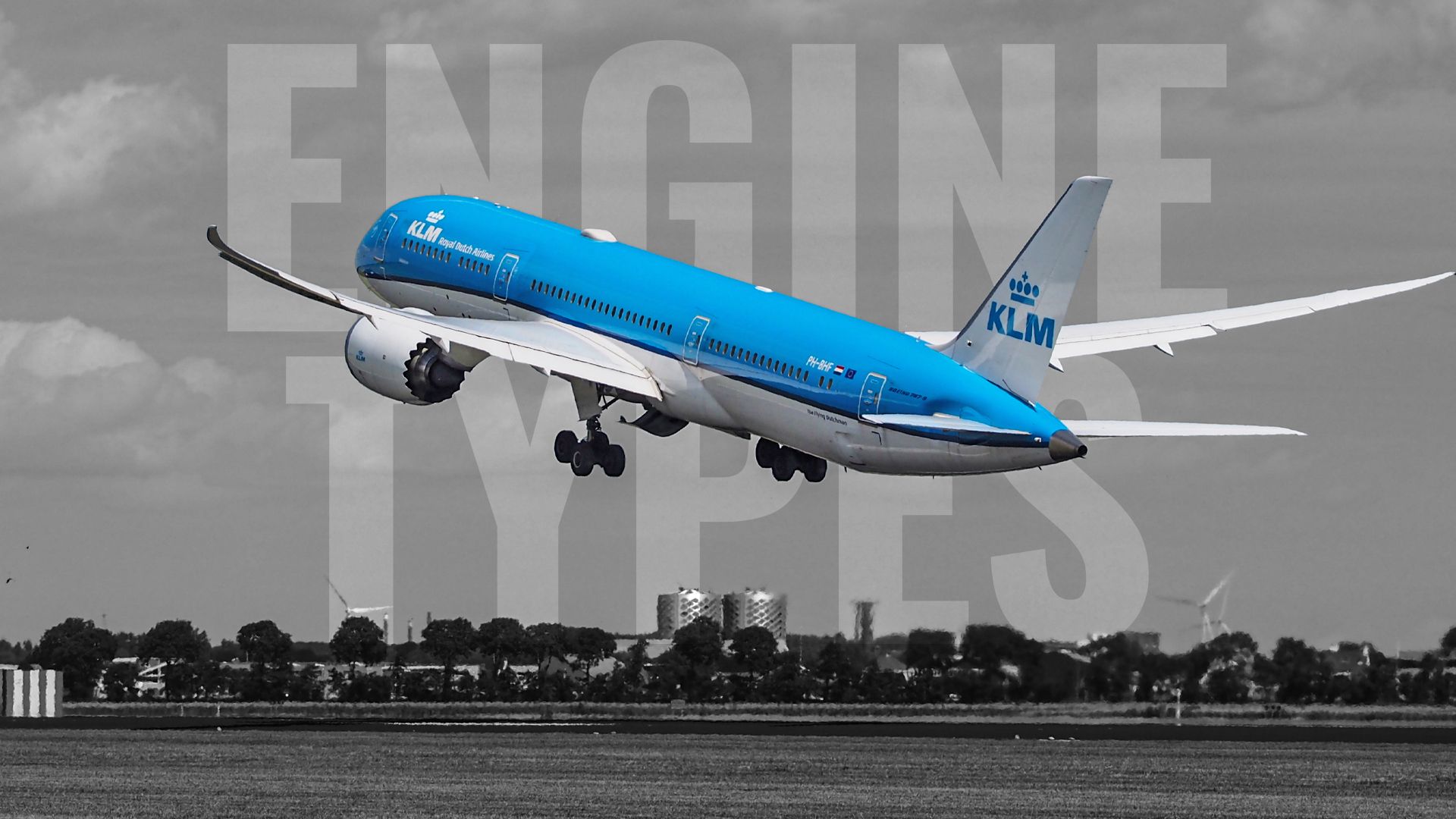
UPDATE: The Boeing 787 Dreamliner continues to revolutionize commercial aviation, and new insights reveal critical details about its engine options. This state-of-the-art aircraft, first in service in 2011, is powered by two distinct engines: the Rolls-Royce Trent 1000 and the General Electric GEnx-1B. As airlines face increasing pressure for fuel efficiency and reduced emissions, understanding these engine choices is more urgent than ever.
Both engine families offer significant improvements in fuel efficiency, achieving 20-25% better performance compared to older models. This is a crucial factor for airlines looking to lower operational costs while meeting environmental standards. The Trent 1000 delivers thrust levels between 64,000 and 78,000 lbf, while the GEnx-1B operates in a similar range, making them both optimal for the 787 family.
Airlines are increasingly opting for the GEnx-1B, reflecting its growing popularity in the market. However, the choice between these engines often hinges on strategic considerations, including existing maintenance relationships and operational efficiency. This dual-engine strategy not only offers flexibility but also fosters healthy competition, benefiting airlines through better pricing and service agreements.
The Boeing 787 Dreamliner is a long-haul aircraft designed to operate thinner routes profitably. With a passenger capacity ranging from approximately 240 in the 787-8 to 320 in the 787-10, it balances payload and performance, making it a cornerstone of many global fleets. The extensive use of composite materials in its structure—comprising roughly 50% of its weight—further enhances its efficiency and passenger comfort.
Both engine options are tailored to different operational needs, allowing airlines to select based on their existing fleets and long-term strategies. The Trent 1000 has built a reputation for reliability, supported by Rolls-Royce’s TotalCare maintenance program. Meanwhile, the GEnx-1B benefits from GE’s robust global service network, ensuring operators have access to extensive maintenance and support.
As airlines navigate the complexities of modern aviation, the implications of their engine choices are profound. A choice of engine impacts not just fuel efficiency but also operational costs, training requirements, and logistical support. With millions of flight hours logged, both engines have established themselves as reliable options, but strategic decisions will shape their future dominance.
The dual-engine approach by Boeing was not just a matter of preference; it was a calculated move to mitigate risks associated with developing a new aircraft alongside a new engine. This strategy encourages manufacturers to meet aggressive performance targets while ensuring continuity in aircraft deliveries.
The global aviation landscape is evolving rapidly, and the Boeing 787 Dreamliner remains at the forefront of this transformation. As airlines increasingly emphasize sustainability and efficiency, the engines that power these aircraft will play a critical role in shaping the future of air travel.
Stay tuned for more updates on how these developments will impact the aviation industry and the choices airlines make in the coming years.