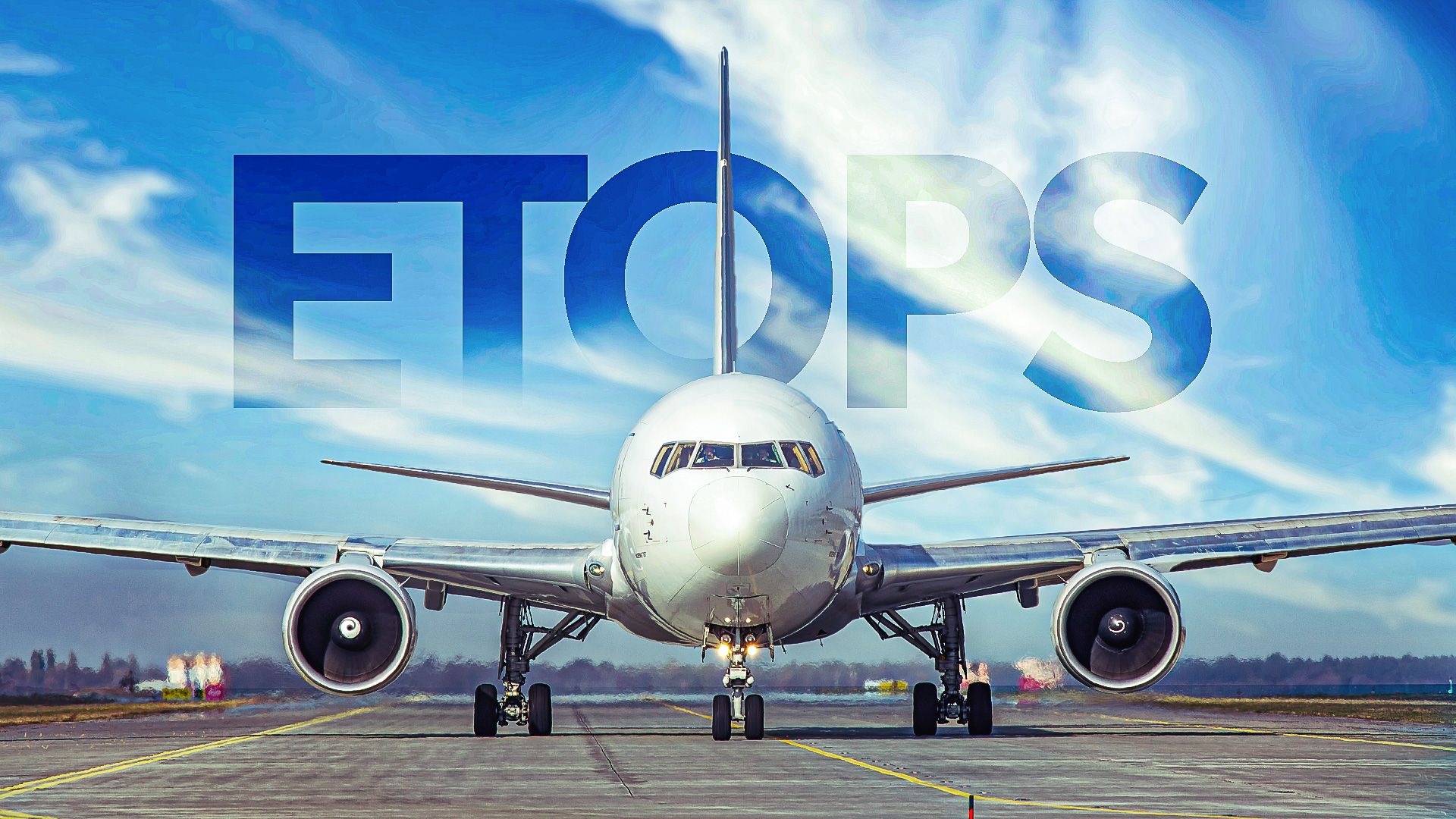
BREAKING NEWS: The Boeing 767 has transformed the aviation industry by enabling twin-engine jets to fly long-haul overwater routes, thanks to its groundbreaking ETOPS certification. This certification, which stands for Extended-Range Twin-Engine Operational Performance Standards, allows aircraft to operate on routes that are more than an hour away from an emergency landing site—an unprecedented milestone for twin-engine airliners.
The FAA just confirmed that the Boeing 767 was the first commercial twin-jet capable of safely conducting long-haul flights over oceans, a significant advancement in air travel safety and efficiency. With the 767, airlines can now access remote destinations previously restricted to multi-engine aircraft. The impact of this innovation is felt globally, as it opens new routes and reduces operational costs for airlines.
The journey to ETOPS certification began in the early 1980s when the FAA imposed strict regulations limiting twin-engine aircraft from flying routes with emergency landing points over an hour away. This was based on safety concerns regarding engine reliability. However, the introduction of the 767-200ER changed the game. The aircraft’s advanced systems, including highly reliable engines and real-time performance monitoring via the EICAS (Engine-Indicating and Crew-Alerting System), provided the necessary safety assurances.
In a decisive moment, Boeing’s director of engineering, Dick Taylor, presented the 767 to FAA officials. Initial resistance from FAA Administrator Lyn Helms faded after the 767 demonstrated its capabilities through extensive testing and data collection. By February 1985, the FAA approved 120-minute ETOPS limits, allowing airlines like TWA to operate transatlantic flights with 767s.
The significance of ETOPS was further highlighted when Hawaiian Airlines received approval to operate 180-minute routes, marking a new era for airlines flying to and from the Pacific islands. This achievement showcased the operational flexibility offered by the 767, which could now compete with traditional quad-jets.
As the aviation industry evolved, the 767’s legacy continued to influence aircraft design, making way for modern twin-engine jets like the Airbus A350 and Boeing 777X. The shift from three and four-engine aircraft to efficient twin-engine models has reshaped air travel, making it more accessible and economical for passengers.
However, the iconic 767 is nearing the end of its service life, with both Delta Air Lines and United Airlines planning to retire their fleets by 2030. Despite these retirements, the 767 will continue to see use in cargo operations, with companies like FedEx operating 120 freighter variants.
As the aviation community looks to the future, the ongoing quest for ETOPS certification remains vital. The 777X, currently in the final stages of ETOPS testing, is poised to be a game-changer in the industry. However, any delays in certification could jeopardize the program’s success.
The legacy of the Boeing 767 as an ETOPS pioneer will forever influence air travel, reflecting the ongoing commitment to safety and efficiency in the skies. As airlines adapt to new technologies, the impact of the 767’s innovations continues to resonate throughout the aviation landscape.