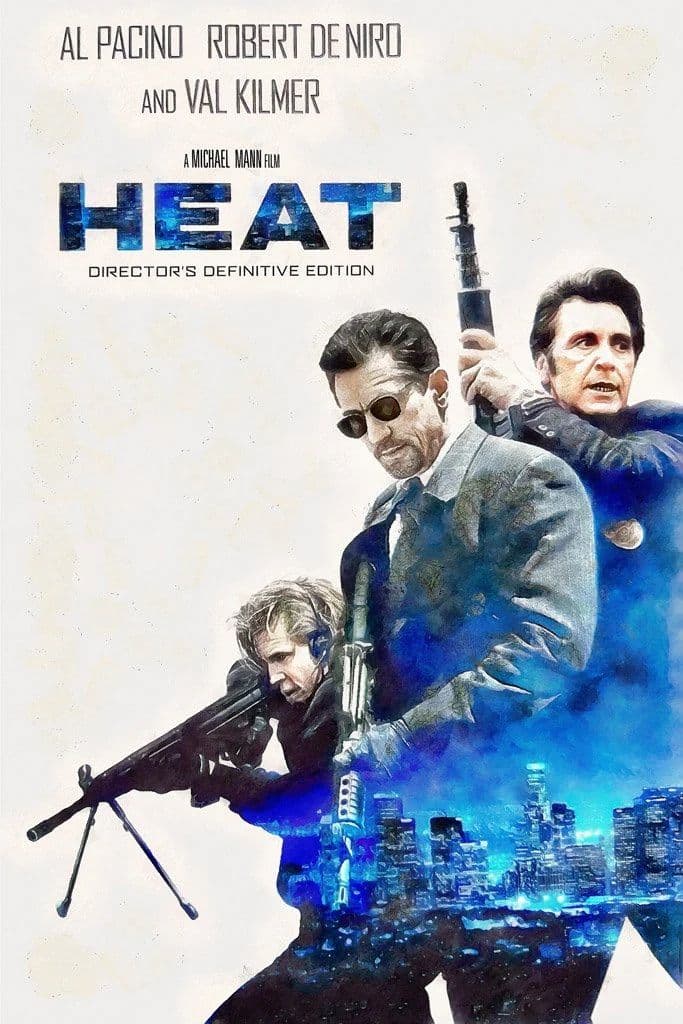
UPDATE: In a striking revisit to the cinematic classic, “Heat,” the legendary performances of Al Pacino and Robert De Niro continue to resonate as new insights emerge about the film’s creation. This iconic crime drama, directed by Michael Mann, originally released in 1995, has sparked renewed interest due to its exploration of the human condition through the lens of criminality and law enforcement.
New reports highlight that the intense character dynamics portrayed in “Heat” were inspired by real-life interactions between criminals and detectives in Chicago, not in Los Angeles as commonly perceived. The film’s authenticity is further underscored by the profound connection established between Pacino’s detective character and De Niro’s thief, mirroring the real-life encounters of individuals like Nil Makoli, a former Alcatraz inmate.
The urgency of their relationship—marked by both conflict and camaraderie—reveals a deeper commentary on the lives we lead and the choices we make. The haunting line, “I don’t know how to do anything else,” encapsulates the essence of their intertwined destinies, resonating with audiences who grapple with their own life decisions.
As the film approaches its 30th anniversary, its themes of loneliness and the inherent need for connection in a sprawling urban landscape remain relevant. The cinematic artistry of Mann, combined with the stellar performances of Pacino and De Niro, continues to captivate new generations, prompting discussions about the moral complexities of a life of crime versus law enforcement.
The film’s rich narrative was initially intended as a television series, with a lengthy script of 180 pages drafted by Mann in the late 1970s. However, the project evolved, ultimately culminating in the film we know today, which has been celebrated as one of the greatest crime dramas in cinematic history.
Moving forward, film enthusiasts and new viewers alike are encouraged to engage with “Heat” not just as a classic film, but as a compelling narrative that reflects on the choices that define our lives. The dialogue between Pacino and De Niro’s characters serves as a poignant reminder of the connections we forge—even with those on opposing sides.
As we reflect on this cinematic masterpiece, the question remains: how do our life choices mirror those of the characters in “Heat”? The legacy of Pacino and De Niro’s performances continues to challenge us to consider the paths we take.
Stay tuned for more developments and insights into the impact of “Heat” on contemporary cinema and its enduring relevance in today’s society.