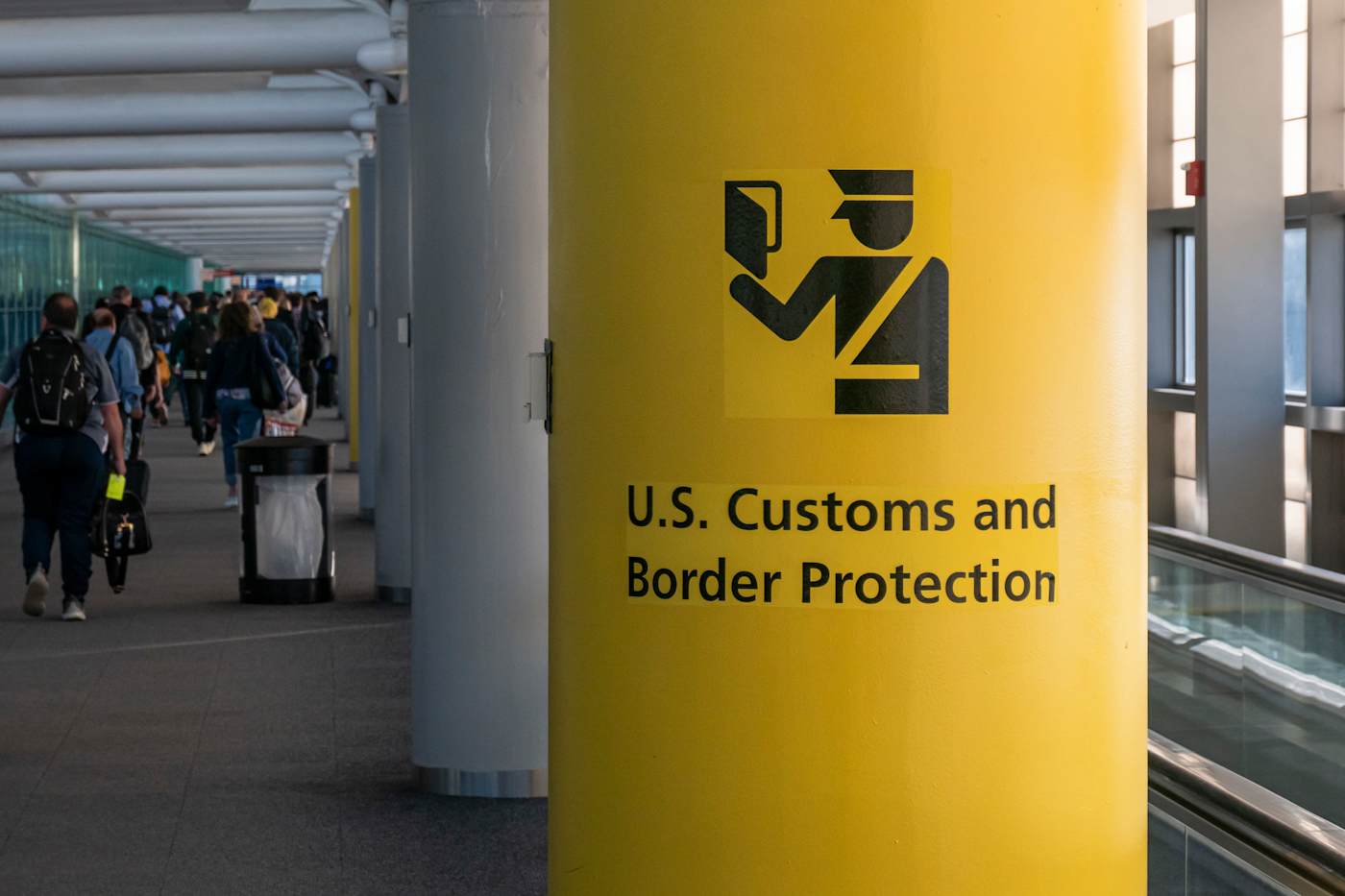
Tourists seeking to enter the United States may soon be required to submit a five-year history of their social media activity. This potential change, proposed by the US Customs and Border Protection (CBP), aims to enhance national security measures and is part of a broader initiative outlined in an executive order signed by President Donald Trump in January.
Visitors from countries that typically benefit from streamlined entry through the Electronic System for Travel Authorization (ESTA) would be affected by this rule. The CBP’s proposal is rooted in the executive order titled “Protecting the United States From Foreign Terrorists and Other National Security and Public Safety Threats.” The order reflects Trump’s ongoing commitment to strengthening US borders and addressing what he describes as illegal immigration.
Under the new proposal, applicants will be required to provide their social media handles used over the past five years. Additionally, privacy settings on their profiles must be made public. The CBP has not specified the type of information they will scrutinize or which factors may lead to disqualification from entry. Alongside social media data, applicants may also need to disclose telephone numbers and email addresses used over the past five and ten years, respectively, as well as information about family members.
The implementation of these rules is expected to significantly increase the wait times for ESTA applications and could lead to heightened enforcement costs. According to the CBP’s documentation, the new measures may require an estimated additional 5,598,115 man-hours annually, translating to approximately 3,000 full-time jobs. Currently, the ESTA application fee stands at $40, allowing for a 90-day stay in the US and valid for two years.
Some travelers are already expressing concerns about the new requirements. Reports indicate that Australian tourists planning to attend the upcoming World Cup have reconsidered their travel plans, with one individual describing the new rules as “horrifying.” Despite these concerns, President Trump has downplayed the potential impact on tourism, stating, “No. We’re doing so well. We want to make sure we’re not letting the wrong people come enter our country.”
As of now, the new rules are still in the proposal stage. A spokesperson for the CBP assured that “nothing has changed on this front for those coming to the United States [currently]. This is not a final rule; it is simply the first step in starting a discussion to have new policy options to keep the American people safe.” If enacted, the regulations would apply to visitors from approximately 40 countries, including the UK, Ireland, France, Germany, Italy, Australia, and Japan.
Travel to the United States has already seen a decline, with figures from the National Travel and Tourism Office indicating a 3 percent drop in visitors as of August 2025 compared to the previous year. The largest groups of tourists to the US originate from Canada and Mexico, who do not require a visa or ESTA approval to enter the country.
As discussions continue regarding the proposed social media scrutiny, the implications for international tourism and travel policies remain to be fully understood.