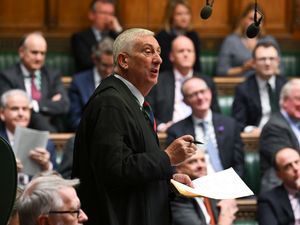
Sir Lindsay Hoyle, the Speaker of the House of Commons, has issued a warning to Members of Parliament regarding increasing attempts by Russian-linked actors to target them through messaging applications such as WhatsApp and Signal. In a letter obtained by the Press Association, Hoyle highlighted the growing trend of phishing attempts aimed at parliamentarians, which involve deceptive tactics to extract sensitive information or compromise accounts.
The letter emphasizes that these attacks are particularly prevalent on messaging platforms favored by MPs and UK officials. The National Cyber Security Centre (NCSC) has urged parliamentarians to enhance their security measures in response to the rise in these phishing threats. The NCSC has specifically advised against using informal messaging applications for official parliamentary communication.
A government spokesperson elaborated on the issue, stating, “Spear-phishing is a common but all-too-effective tactic used by threat actors attempting to gain access to information, online accounts, and devices.” The spokesperson also noted that the NCSC is collaborating with partners within the government and UK Parliament to address the recent targeting of commercial messaging applications, including WhatsApp and Signal.
The NCSC strongly recommends that individuals who may be at high risk of being targeted adhere to its guidance and consider enrolling in its cyber defense services to enhance their protection.
This warning follows a previous alert to parliamentarians regarding attempts by the Chinese intelligence service to recruit individuals with access to sensitive information. During a session in the House of Commons, Security Minister Dan Jarvis stated that China has been attempting to “recruit and cultivate” individuals connected to Parliament and the UK Government, often using cover companies and head-hunters to mask their intentions.
As cyber threats continue to evolve, the focus on safeguarding sensitive information within parliamentary circles has become increasingly critical. The recent communications from both the Speaker and the NCSC underscore the necessity for MPs to remain vigilant in their digital interactions to protect themselves and the integrity of governmental operations.