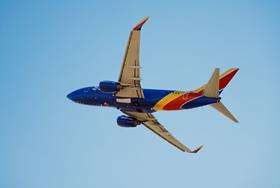
Southwest Airlines has adjusted its financial forecast for the fourth quarter, anticipating a significant impact from the recent US government shutdown. The disruption, which affected air traffic at major airports for several days in November, has led the Dallas-based carrier to revise its expected earnings before interest and taxes (EBIT) from a range of $600 million to $800 million down to approximately $500 million.
In an update to investors on December 5, 2023, Southwest cited both the government shutdown and unexpectedly high fuel prices as factors contributing to this less optimistic outlook. The carrier indicated that bookings have since stabilized and returned to previous levels following the temporary decline in demand caused by the shutdown.
Southwest is not alone in facing these challenges. Other major airlines, including Alaska Airlines, Delta Air Lines, and JetBlue Airways, have also warned their investors about the negative repercussions of the shutdown on their financial performance.
Impact of Air Traffic Control Limitations
During the shutdown, the air traffic control (ATC) system experienced significant strain, as controllers went unpaid for several weeks. In response, the Federal Aviation Administration (FAA) mandated a 10% capacity reduction at 40 of the largest US airports. However, this target was ultimately not met, as staffing levels improved and the reduction rate was stabilized at 6%.
These capacity reductions commenced on November 7, 2023, and normal operations resumed roughly ten days later. Despite the resumption of regular service, some airlines, including Southwest, were slower to ramp up their operations, further complicating the recovery process.
In a separate announcement, Southwest Airlines recently named Condor, a German low-cost carrier, as its fifth international airline partner. This partnership aims to enhance Southwest’s international reach, despite the current financial challenges posed by the recent disruptions.
Overall, while Southwest Airlines is facing a revised financial outlook due to external factors, its commitment to adapting and forming strategic partnerships indicates a proactive approach to navigating these turbulent times in the aviation industry.