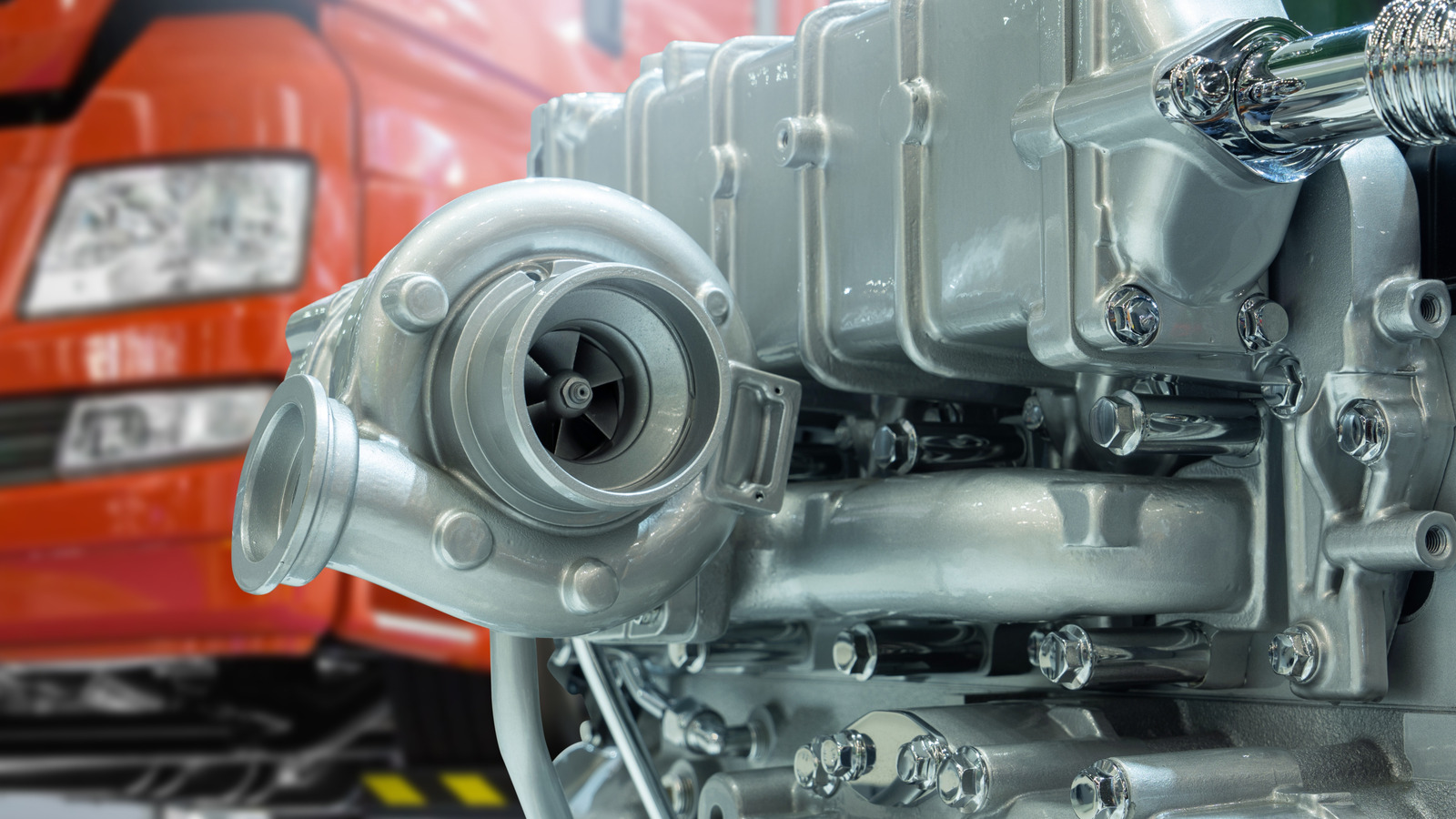
Automakers are increasingly relying on turbochargers to enhance engine performance while meeting stringent fuel efficiency and emissions standards. This technology enables vehicles to maximize power from smaller engines, reducing fuel consumption without compromising performance. However, the complexity of turbochargers also means they are vulnerable to failure, particularly if regular maintenance is overlooked. Understanding the signs of impending turbocharger failure is crucial for vehicle owners to avoid costly repairs.
Recognizing Power Loss
One of the most immediate indicators of turbocharger trouble is a noticeable drop in power during acceleration. If a driver feels as though their vehicle is sluggish or underpowered, this could signal an issue with the turbocharger. Various factors can contribute to this power loss, including restricted airflow or fuel delivery problems.
For instance, a blocked air filter or a jammed intake hose can significantly limit the air entering the engine, thereby reducing turbo efficiency. Similarly, insufficient oil supply to the turbocharger can have a comparable negative effect. If power loss occurs, it is essential to consult a qualified mechanic promptly to address potential safety hazards associated with diminished engine performance.
Listening for Unusual Noises
Turbocharged engines are celebrated for their distinctive exhaust sounds, often described as a “whistle-whoosh-flutter.” Enthusiasts often invest in high-performance exhaust systems to enhance this auditory experience. Conversely, if a turbocharger begins to emit a high-pitched whine or rattling noises, it is a clear indication of malfunction.
Such sounds may result from compressor wheel blades scraping against the turbo housing, often due to worn internal bearings. Insufficient lubrication during operation can exacerbate this issue, highlighting the importance of regular oil changes. Drivers should not dismiss unusual noises, as they often point to deeper problems that demand immediate attention.
Another critical sign of turbocharger distress is the color of the exhaust smoke emitted by the vehicle. Typically, exhaust should be relatively clear; however, the presence of blue or black smoke can indicate significant issues. Blue smoke often suggests burning engine oil, which may result from oil leaks affecting turbo performance. Conversely, black smoke points to an improper fuel-air mixture, suggesting that the turbocharger may not be functioning optimally.
Monitoring Engine Diagnostics
Modern vehicles are equipped with advanced electronic sensors that assist in monitoring engine performance. One of the primary indicators of a potential turbocharger issue is the illumination of the Check Engine light. In many cases, this warning is triggered by a malfunction in the Manifold Absolute Pressure (MAP) sensors, which monitor turbo pressure levels.
When these sensors detect irregularities, they communicate with the vehicle’s electronic control unit (ECU), prompting the Check Engine light to activate. Drivers can use an on-board diagnostic (OBD) reader to identify potential error codes, such as P0299 (underboost) or P0234 (overboost), which can provide insights into the specific nature of the problem.
Identifying Oil Leaks
Oil leaks are among the most common issues affecting turbochargers. Drivers should be vigilant for signs of oil dripping near the turbo area, as well as any burning oil smell while driving. Such leaks typically occur due to cracks in the oil pipes or failures in the gasket, which can lead to serious safety hazards, including the risk of fire.
Regular maintenance and inspections can help mitigate these risks. If a vehicle requires frequent oil top-ups without visible contamination, the turbocharger may be consuming more oil than usual, indicating a need for professional assessment.
Recognizing these five warning signs can help vehicle owners address turbocharger issues before they escalate into costly repairs. By remaining attentive to changes in power output, unusual noises, exhaust smoke color, diagnostic alerts, and oil leaks, drivers can better maintain their vehicles and ensure optimal performance.