The rise of Premium Economy has transformed long-haul travel, bridging the gap between economy and business class. Airlines are increasingly adopting this cabin as a strategic approach to enhance profit margins while catering to passenger demand for more comfort. With features like wider seats, extra legroom, and improved dining options, Premium Economy has become a popular choice for travelers seeking an upgraded experience without the high cost associated with business class.
Airlines are shifting their focus towards Premium Economy to capitalize on the lucrative segment of travelers who desire more comfort but are unable or unwilling to pay for business class fares. Business class remains the most profitable cabin, generating significant revenue while occupying a smaller space. Corporate and high-yield leisure travelers often pay multiple times the economy fare for perks like flexible scheduling, lie-flat seats, and premium services. In contrast, economy class typically offers lower margins due to competitive pricing and rising operational costs.
Premium Economy fills this gap by providing a more comfortable experience than standard economy at a price point that appeals to a broader audience. This cabin is designed to maximize revenue through denser seating configurations. For instance, airlines often reduce the number of seats per row to create wider seats and more space. On a Boeing 777, the standard 3-4-3 economy layout is typically adjusted to a more spacious 2-4-2 configuration in Premium Economy.
Comfort and Amenities Defined
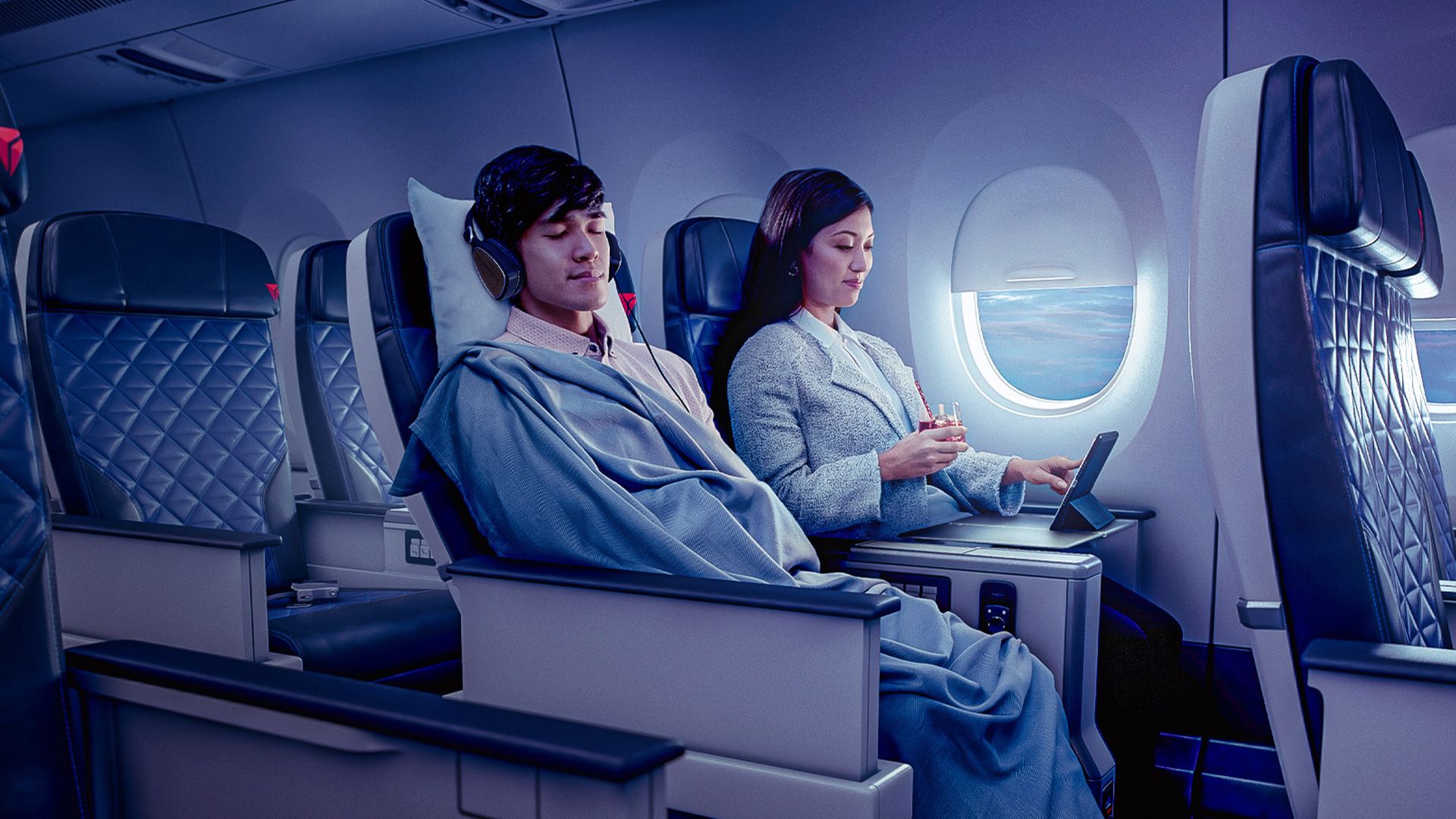
The benefits of Premium Economy extend beyond just seating arrangements. The physical design of these seats addresses the discomfort associated with long-haul flights. Passengers enjoy extra legroom that alleviates knee and lower back strain, while wider seats enhance shoulder and elbow space. Typically, Premium Economy seats have a deeper recline and a supportive design that allows passengers to rest more comfortably during flights.
In addition to improved seating, the in-flight experience is significantly enhanced. Larger screens for entertainment, sturdier tray tables, and higher-quality materials contribute to an environment that feels tailored for long journeys. Passengers can expect upgraded meal options served in a more appealing manner, often accompanied by dedicated amenity kits and complimentary alcoholic beverages.
Despite these improvements, the soft product—such as ground services—remains less extensive compared to business class. Generally, lounge access is not included unless specified by certain airlines like ANA, JAL, SAS, and LATAM. However, many airlines compensate for this by allowing an additional checked bag compared to standard economy.
Leading the Market
Among the airlines leading in Premium Economy offerings, Virgin Atlantic has been recognized as the World’s Best Premium Economy Airline in 2025 by Skytrax. This recognition stems from the airline’s commitment to providing a distinct product that goes beyond a mere upgrade over economy. The experience includes larger seats, two checked bags, and premium check-in and boarding services, all designed to elevate the travel experience.
In addition, Virgin Atlantic has invested heavily in enhancing its Premium Economy service, focusing on substantial meal quality and thoughtful presentation. CEO Shai Weiss emphasized this commitment, stating, “We exist to make our customers smile… investing billions to fly the youngest fleet across the Atlantic and introduce new amenities.”
Another notable contender is Emirates, which has been acknowledged for offering some of the best Premium Economy seats in the industry. The cabin features cream leather seats with generous recline, cushioned leg rests, and adjustable headrests. The dining experience is elevated with meals served on china, complemented by a selection of beverages that includes options from the business class menu.
A Growing Segment
The success of Premium Economy lies in its ability to deliver meaningful enhancements where they matter most on long-haul flights. It is a rational choice for many travelers who seek a balance between comfort and affordability. As airlines continue to refine their offerings, Premium Economy is likely to become an even more integral part of global fleets.
With the growing dissatisfaction among travelers regarding cramped economy cabins, the expansion of Premium Economy options reflects a broader trend in the aviation industry. This segment not only meets the needs of passengers but also presents airlines with a financially attractive solution that enhances operational efficiency.
As the landscape of air travel evolves, Premium Economy has matured into a product with its own identity, offering tangible benefits to both airlines and passengers. It represents a strategic response to the changing expectations of air travelers, making long-haul journeys more enjoyable and accessible.