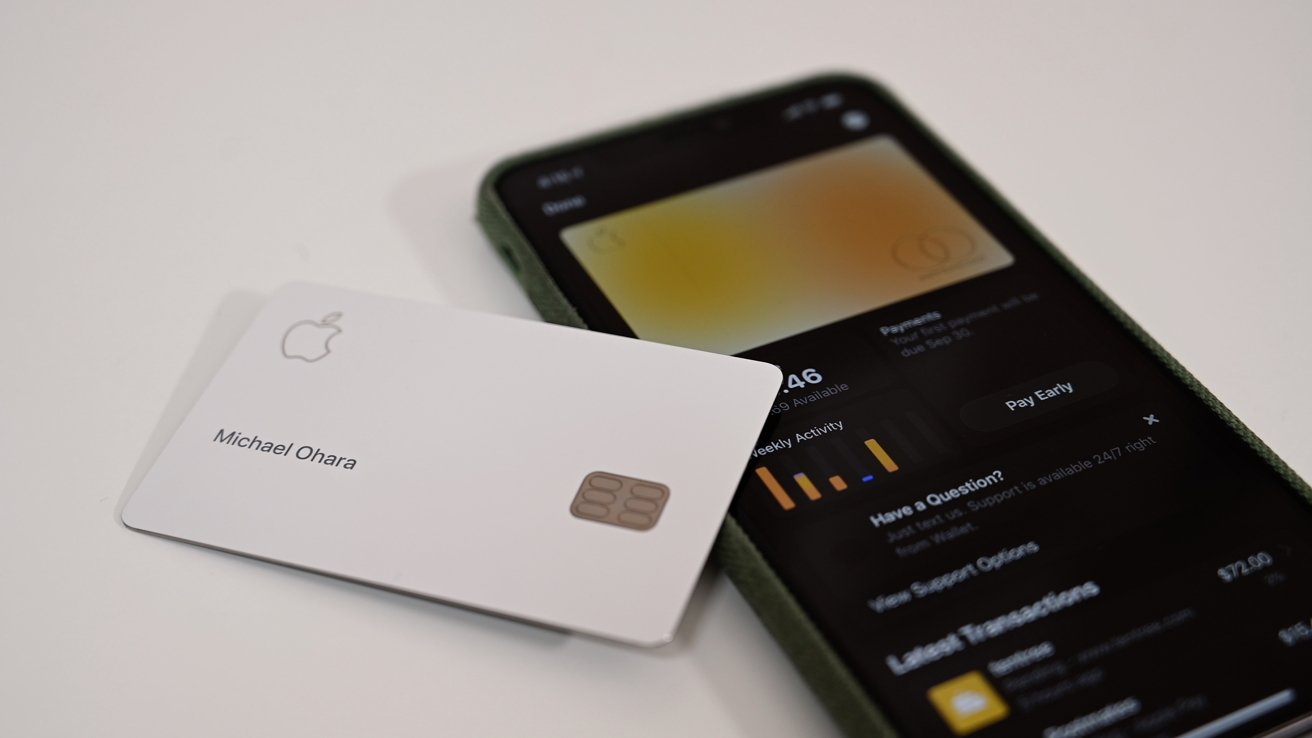
JPMorgan Chase has finalized a deal to take over the operations of Apple Card and Apple Savings from Goldman Sachs, marking a significant shift in the consumer credit landscape. This transition comes after Goldman Sachs sought an exit from its partnership with Apple, a process that has been in the works for approximately 26 months.
In 2023, it became evident that Goldman Sachs intended to exit the consumer credit market. The decision to abandon its collaboration on the Apple Card has been a long time coming, with negotiations taking over a year to reach this pivotal agreement. The Wall Street Journal reported that the deal with JPMorgan Chase is now confirmed by anonymous sources, and an official announcement could occur at any moment.
Transition of Control
The transfer of issuing control to JPMorgan Chase signals a new chapter for Apple Card. Under the leadership of JPMorgan, the card is expected to evolve further, potentially offering enhanced services and features to users. JPMorgan Chase is one of the largest financial institutions globally, known for its robust banking services and innovative financial products.
Goldman Sachs’ decision to exit this partnership highlights a broader trend in the financial services industry. The bank has been reassessing its consumer credit strategy and focusing more on its core investment banking operations. The Apple Card, launched in 2019, was initially designed to integrate seamlessly with Apple’s ecosystem, offering users unique features such as daily cash rewards and enhanced privacy controls.
Impact on Consumers and Future Prospects
For consumers, this transition could mean a shift in how Apple Card services are delivered. While details remain sparse, JPMorgan Chase’s involvement may introduce new benefits and improved customer service. As the largest bank in the United States, JPMorgan has the infrastructure and experience to manage and expand the offerings associated with Apple Card.
The anticipated announcement of this deal is likely to stir reactions across the financial sector, as it underscores the competitive nature of partnerships between technology companies and traditional banks. With consumer preferences shifting towards digital and flexible financial solutions, the successful transition of the Apple Card could set a precedent for future collaborations.
As the financial landscape continues to evolve, the implications of this deal are significant, not only for JPMorgan Chase and Goldman Sachs but also for Apple and its vast customer base. The collaboration between tech and finance is expected to deepen, with consumer credit products increasingly becoming integrated into digital platforms.
In conclusion, the successful negotiation between JPMorgan Chase and Goldman Sachs marks a pivotal moment in the evolution of financial services, particularly in the realm of consumer credit. With an official announcement on the horizon, stakeholders will be keenly watching how this transition unfolds and what it means for users of Apple Card and Apple Savings.