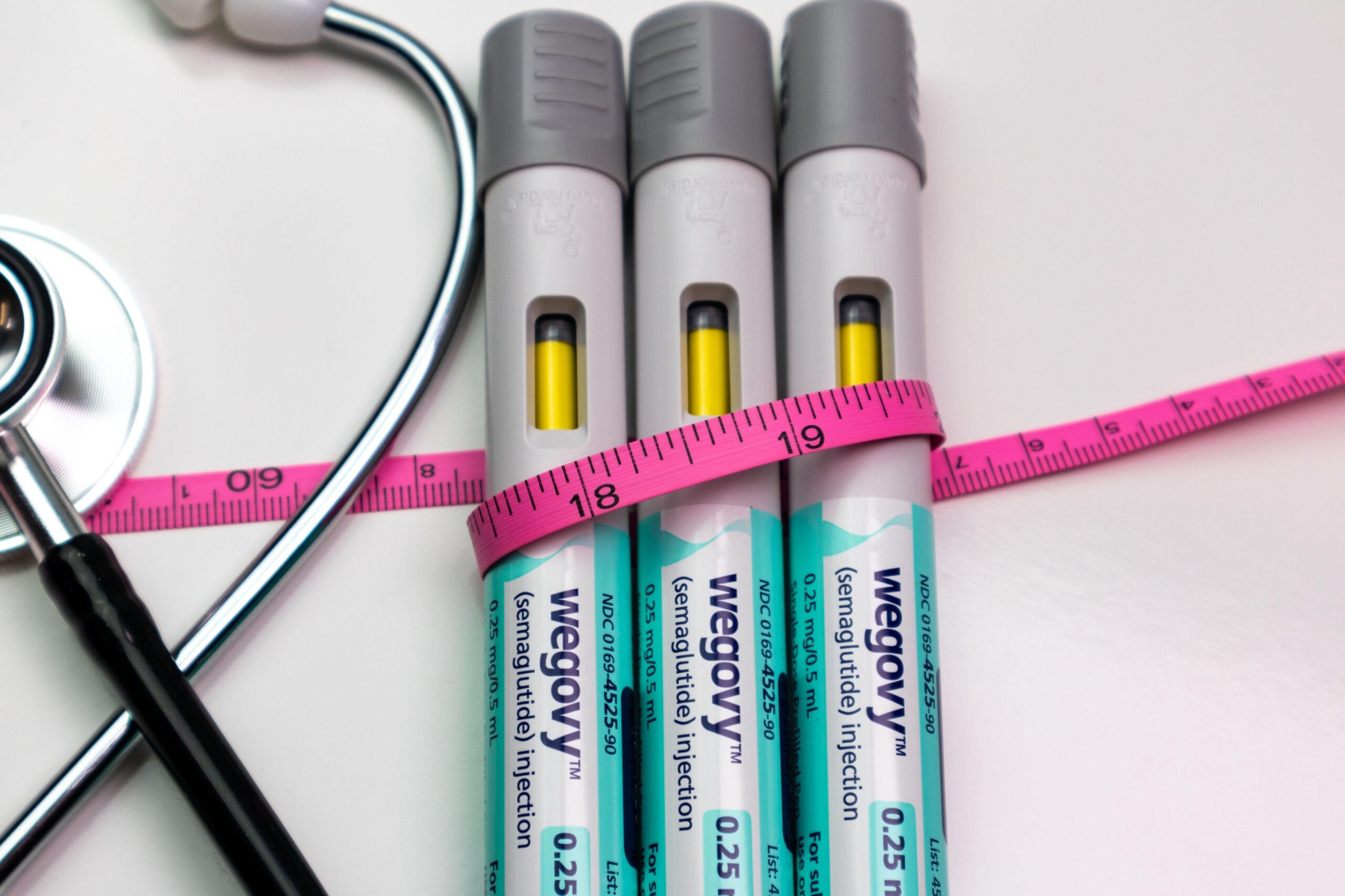
Ireland finds itself at a crossroads in the burgeoning market for weight loss drugs, particularly as Novo Nordisk and Eli Lilly vie for dominance. The latest developments unfolded when Novo Nordisk released results from a pivotal trial designed to showcase its new treatment against its American competitor, Eli Lilly’s Mounjaro. The trial, conducted over 84 weeks with more than 800 participants, aimed to demonstrate that Novo’s drug would outperform its rivals. However, the results did not align with expectations, leading to significant market repercussions.
Market Impact and Economic Stakes
Following the announcement, analysts noted that Novo Nordisk had suffered a setback, with some suggesting it had “shot itself in the foot.” Eli Lilly’s Mounjaro emerged as the clear frontrunner, particularly in the US market. This shift in the competitive landscape resulted in a substantial loss of value for Novo’s stock, estimated in the billions, while Eli Lilly’s shares surged, pushing its market valuation close to $1 trillion.
The implications of this competition extend beyond stock prices; they resonate deeply within Ireland’s economy. The country has established itself as a key player in the pharmaceutical industry, with Eli Lilly and Novo Nordisk contributing significantly to local job creation and tax revenues. The ripple effects of the rivalry between these pharmaceutical giants are felt across various sectors in Ireland, particularly in towns hosting manufacturing plants.
According to research from the Economic and Social Research Institute, over 23,000 individuals are employed by nine major pharmaceutical firms in Ireland. Companies like AbbVie and Pfizer have established substantial operations, contributing to a robust economic framework that supports local communities.
Pharmaceutical Exports and Investments
The significance of the pharmaceutical sector is underscored by export statistics. In 2024, exports of medical and pharmaceutical products from Ireland reached €138 billion, dominating the total goods export figure of €260 billion. This figure dwarfs other major export categories, highlighting the growing importance of pharmaceuticals in the Irish economy.
Investment trends further illustrate this growth. Eli Lilly has committed nearly $4.3 billion to its Irish operations, a considerable increase from its previous commitments. This investment serves to enhance the manufacturing capabilities of its obesity and diabetes medications, including Tirzepatide, the active ingredient in Mounjaro and Zepbound.
The financial returns of these investments are reflected in the corporation tax landscape. Eli Lilly has emerged as one of the largest contributors to Ireland’s tax revenues, alongside tech giants like Apple and Microsoft. Reports indicate that Eli Lilly’s tax payments to Ireland reached €6.6 billion in 2025, surpassing those to the US government, which amounted to $3.3 billion.
While Novo Nordisk also plays a role in the Irish market, its ties are not as extensive. The company recently announced a significant investment of €432 million in expanding its Monksland plant to produce Wegovy in pill form for international markets. This investment is part of a broader strategy to enhance its capabilities amidst intensifying competition.
Despite the challenges faced by Novo Nordisk, including recent layoffs, the company remains a valuable player in the global pharmaceutical landscape, employing over 69,000 people worldwide. The ongoing demand for obesity and diabetes medications suggests continued opportunities for both Novo and Eli Lilly in the future.
As the competition unfolds, the Irish government closely monitors the developments. The dual investments in weight loss drugs from both companies signify a strategic bet on the future of pharmaceuticals in Ireland. The outcome of this rivalry may have lasting implications for the nation’s economy and its position in the global health market.