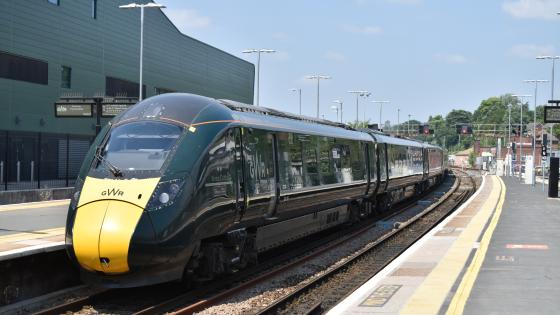
The recent failures of the Intercity Express Programme (IEP) have raised significant concerns about train service reliability in the United Kingdom. Following a ceremony on November 21, 2025, which honored the achievements of train maintenance teams through the Golden Spanner awards, questions have emerged regarding the operational efficiency of the Hitachi Class 800/802 bi-mode fleets operated by Great Western Railway.
The Golden Spanner awards celebrated the hard work and dedication of maintenance teams responsible for the most reliable train fleets. Among the winners, the maintenance teams for the Great Western Railway’s 36×5-car ‘800/0s’ fleet were acknowledged with a Silver Spanner for their significant improvements in reliability over the past year. These accolades highlight the essential role of maintenance personnel in ensuring smooth operations and punctuality across the rail network.
Despite these achievements, the broader context surrounding the IEP remains troubling. The initiative began with a specification that many stakeholders described as overly ambitious. As a result, the ongoing issues with service reliability have not only disrupted schedules but have also undermined public confidence in the rail system.
The IEP, intended to modernize the UK’s rail services, has faced a series of setbacks since its launch. Several reports indicate that the issues plaguing the Hitachi fleets are part of a larger pattern of technical difficulties that have yet to be fully resolved. Maintenance teams, while performing admirably under challenging circumstances, find themselves confronted with persistent operational hurdles that affect service delivery.
In light of these challenges, it is crucial for industry leaders and policymakers to conduct a thorough examination of the factors contributing to the IEP’s shortcomings. Stakeholders must prioritize transparency and accountability to restore trust among rail users. As the rail industry grapples with these pressing concerns, the commitment to celebrating excellence in maintenance must go hand-in-hand with addressing the underlying reliability issues that continue to hamper service.
The situation surrounding the IEP serves as a reminder of the complexities involved in railway operations and the importance of continuous improvement in both technology and maintenance practices. As the industry moves forward, the focus must remain on ensuring that all fleets, not just those recognized for excellence, meet the reliability standards expected by the public.
In conclusion, while the Golden Spanner awards highlight the successes of dedicated maintenance teams, the ongoing failures of the IEP underscore the need for urgent action and strategic oversight. Only through a concerted effort can the rail industry overcome these obstacles and deliver the reliable and efficient service that passengers deserve.