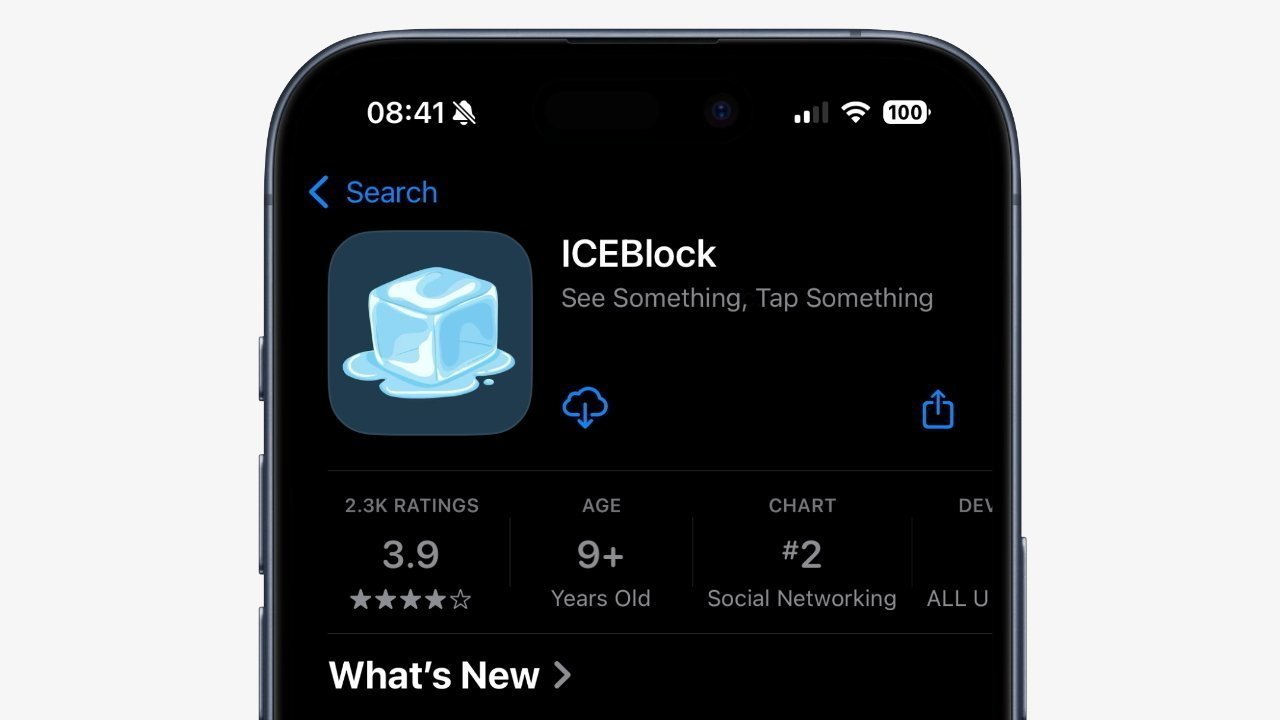
The ongoing investigation by the House Judiciary Committee has brought to light serious allegations regarding the actions of the U.S. Department of Justice (DOJ) in its dealings with major technology companies, specifically concerning the removal of an app designed to monitor the activities of Immigration and Customs Enforcement (ICE). The app, known as ICEBlock, was available on the App Store until its removal nearly one year ago, raising questions about potential violations of constitutional rights.
Jamie Raskin, the ranking member of the House Judiciary Committee, has expressed his determination to scrutinize the DOJ’s conduct. In a letter addressed to Pam Bondi, the Attorney General, Raskin queried, “Why is the Department of Justice (DOJ) violating the First Amendment by coercing big tech to block access to lawful apps that the American people use to record, report, and monitor the actions of our own government officers?” His remarks highlight a growing concern about the implications of government influence over private technology firms.
Concerns Over Constitutional Rights
The controversy surrounding the ICEBlock app stems from its purpose: to enable users to track and report ICE activities. As public scrutiny of ICE has intensified in recent years, particularly regarding its enforcement practices, such apps have become essential tools for activists and concerned citizens. The abrupt removal of ICEBlock has raised alarms about the potential infringement on First Amendment rights, which guarantee freedom of speech and the press.
Critics argue that the DOJ’s alleged pressure on Apple and Google represents a troubling precedent. If the government can influence these companies to eliminate apps that serve a legitimate public interest, it may set the stage for further encroachments on digital freedoms. Raskin’s investigation aims to examine not only the actions taken against ICEBlock but also the broader implications for app developers and users alike.
The House Judiciary Committee’s inquiry is still in its early stages, but it has already garnered attention from various civil rights organizations. Advocates for digital rights have expressed concern that government overreach could undermine the essential functions of technology in modern society. The outcome of this investigation could have lasting effects on how government entities interact with private firms in the tech industry.
What Comes Next?
As the investigation progresses, the House Judiciary Committee is expected to seek testimony from both DOJ officials and representatives from Apple and Google. The committee’s findings may influence future policies regarding app regulation and the relationship between government agencies and technology companies.
The implications of this inquiry extend beyond the immediate issue of the ICEBlock app. It raises fundamental questions about the balance of power between government oversight and individual rights in the digital age. As technology continues to evolve, ensuring that these rights are upheld will be crucial in maintaining a free and open society.
With the potential for significant legal and societal ramifications, the actions taken by the DOJ and the responses from tech giants will be closely monitored. The outcome of this situation could shape the future landscape of digital rights and government accountability in the United States.