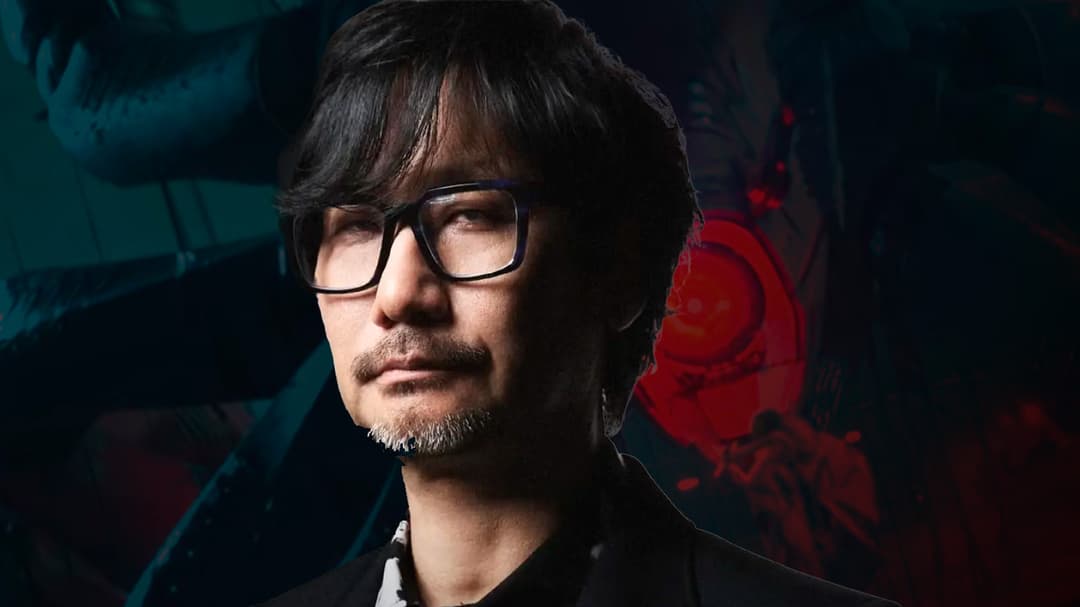
Hideo Kojima, renowned for his work on titles like Death Stranding and Metal Gear Solid, has made clear his stance on the use of artificial intelligence (AI) in video games. In a recent interview, he emphasized that AI should not be utilized for creative processes such as generating artwork or narrative content. Instead, he sees its potential primarily within gameplay mechanics.
Kojima has consistently articulated that human creators must retain control over artistic direction. He considers AI a supportive tool that can enhance efficiency and manage repetitive tasks, while cautioning against allowing it to influence creative decision-making. This perspective has been underscored as developments in generative AI become more prevalent in the gaming industry, prompting discussions among developers and publishers regarding the ethical use of AI technology.
AI’s Potential in Gameplay Mechanics
In his latest comments, featured in an interview with CN N, Kojima stated that his interest lies in employing AI to improve gameplay systems, particularly in how non-player characters (NPCs) respond to player actions. He pointed out that current enemy behaviors in many games often follow predictable patterns, which can detract from the realism of encounters.
“By having AI compensate for those differences, the gameplay can gain more depth,” Kojima explained. He added that traditional enemy behavior does not replicate real human responses. By integrating AI into enemy design, developers could create more dynamic interactions based on player experience and decision-making. This would elevate the gameplay experience, making it feel more engaging and less artificial.
Kojima’s approach seeks to enhance gameplay while preserving the integrity of authored experiences. He envisions AI functioning behind the scenes, fine-tuning systems rather than generating content. This method allows for richer player interactions without compromising the creative vision of the developers.
The interview did not indicate whether Kojima Productions is actively implementing AI-driven enemy behavior in any upcoming projects. The studio is currently engaged in the development of several titles, including the horror game OD and a game focused on espionage titled PHYSINT.
The Ongoing Debate in Game Development
Kojima’s views contribute to an ongoing dialogue in the gaming industry about the role of AI. Recently, the director of Kingdom Come: Deliverance 2 defended the use of AI in game development, following backlash against Larian Studios for incorporating AI into their processes. As the industry navigates these changes, Kojima’s perspective on maintaining human oversight in creative endeavors continues to resonate.
With AI tools becoming increasingly integrated into various aspects of gaming, the implications for creative control and artistic integrity remain important topics of discussion. Kojima’s commitment to preserving the artistic foundation of game development while exploring the technological advancements of AI reflects a balanced approach that prioritizes both innovation and tradition.