The landscape of online search is shifting significantly, with major implications for publishers as Google traffic continues to decline. According to recent insights from industry experts, notably those associated with prominent UK publishers, while concerns about a so-called “Google zero” are prevalent, the reality is more nuanced. The consensus is that search is not dying; rather, it is fragmenting, requiring publishers to adapt their strategies.
Carly Steven, the director of SEO and editorial e-commerce at Daily Mail, addressed the perceived impact of Google’s rollout of AI Overviews. She noted that while click-through rates tend to decrease sharply when AI Overviews are present, the overall traffic decline has not been as dramatic as anticipated. “Our findings align with broader studies: AIO visibility has plateaued at about 12% for non-brand terms on mobile in the UK and 19% in the US,” she stated. This is a decline from mid-2024 levels, and crucially, much of the Daily Mail’s traffic comes from branded inquiries, such as searches that include the brand name, which have remained stable.
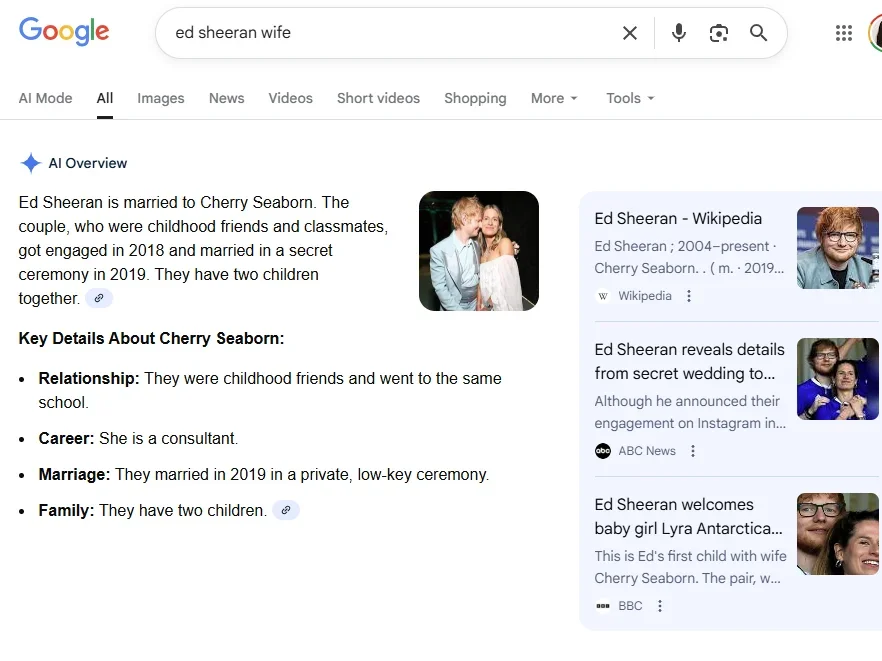
Steven highlighted that celebrity and entertainment-related searches often trigger AI Overviews, indicating a shift in user behavior towards specific content types. Queries concerning public figures, like “Ed Sheeran wife” or “Maya Jama boyfriend,” reflect historical strengths for publishers. Interestingly, she noted that product-recall queries also tend to activate these AI features, whereas breaking news rarely does.
According to data from Chartbeat, as reported by Press Gazette, Google search traffic to publishers declined globally by a striking 33% in the year leading to November, with the US experiencing a sharper drop of 38% compared to a 17% decline in Europe. This trend underscores the shifting dynamics of online content consumption.
Steven emphasized that zero-click behavior predates AI Overviews. “Google’s results pages have long been crowded with features like snippets and knowledge panels, leading to fragmented user journeys that begin on various platforms,” she explained. The Daily Mail’s strategy is to continue investing in high-quality journalism as a defensive measure against algorithmic changes, asserting that creating genuinely valuable content is crucial. “Search isn’t dead; it is fragmenting. This demands new thinking on optimization and more nuanced key performance indicators,” she added.
AI Overviews and Their Varied Impact on Traffic
Recent data from Similarweb, published by growth agency Graphite, reveals that organic traffic from Google to the top 40,000 websites in the US fell by 2.5% in 2025 compared to the previous year. The newspaper category specifically saw an 11% decline, while “world news and media” grew by 4%. The presence of AI Overviews is linked to a 35% reduction in click-through rates, though they appear in only about 30% of searches.
Stuart Forrest, the global SEO director for publishers at Bauer Media Group, echoed Steven’s observations. He noted that certain content types experience more significant traffic losses due to AI Overviews. For instance, Bauer’s motoring publications, which provide detailed specifications for thousands of vehicles, have seen substantial traffic drops. “This type of information is not proprietary and can be easily summarized by AI,” Forrest noted.
He also pointed out a disparity in how different types of content are affected by AI Overviews. “Service journalism, where facts are clear-cut and expert opinion less critical, typically suffers more,” he explained. In contrast, content that invites debate or where users seek trusted sources tends to maintain healthier click-through rates.
Forrest acknowledged that while Bauer has seen an overall decline in organic search traffic, it is not as severe as the figures reported by the Reuters Institute. He emphasized that more than 60% of Bauer’s traffic stems from organic search, but traffic levels vary significantly across brands. For example, sites focused on golf and outdoor leisure have experienced growth.
Reevaluating Strategies in a Changing Search Environment
Industry experts are beginning to rethink their approaches to content creation and audience engagement. Forrest mentioned that Bauer has been concentrating on content packaging, ensuring that headlines and descriptions are appealing to potential readers. “Visibility is one thing, but ensuring that you win the click is crucial,” he stated, underscoring the importance of effective content presentation.
In addition, the decline in search traffic has been partially offset by increased engagement from platforms like Google Discover, Facebook, and email referrals. However, the unpredictability of these channels poses its own challenges.
Chris Dicker, CEO of Candr Media Group, expressed concerns that the decline in Google traffic may be more severe than indicated by the data. He noted that opinion-based content remains relatively unaffected, but evergreen content has been particularly vulnerable to AI Overviews. Dicker described this trend as a “further deterioration” in publishers’ relationships with Google, recalling how the introduction of featured snippets previously impacted content creators.
The sentiment among publishers is that traditional search strategies may need to undergo significant revisions. Many are beginning to expect to invest less effort in conventional Google search, as indicated by a survey from the Reuters Institute, which recorded a net score of -25 when publishers were asked whether they would increase or decrease their investment in this area.
In light of these developments, industry leaders like Forrest and Steven advocate for a proactive approach to content strategy, emphasizing the need for quality and user satisfaction. As the search landscape continues to evolve, the emphasis must shift towards creating content that fulfills user needs, thereby fostering a healthier relationship with search engines.
As the industry grapples with these changes, the future of search traffic for publishers will likely depend on their ability to adapt to a fragmented digital environment while maintaining a focus on quality journalism.