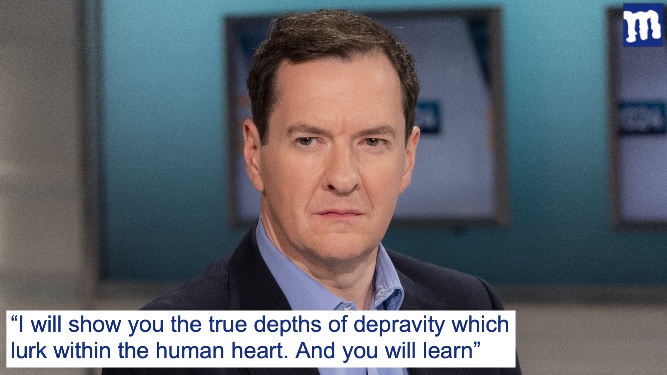
The upcoming film Avatar III, set to be released on December 17, 2025, is generating buzz not only for its blockbuster potential but also for the unexpected involvement of former UK Chancellor George Osborne. In a unique initiative, Osborne plans to teach artificial intelligence about the concept of evil, sparking conversations around the ethical dimensions of storytelling in modern cinema.
The film industry has witnessed the overwhelming success of the Avatar franchise, with Avatar II grossing an impressive $2.3 billion worldwide. Despite critical reviews that have often been harsh, audiences continue to flock to theaters, demonstrating a disconnect between critical reception and box office performance. This trend has left some critics feeling powerless and frustrated.
Nathan Muir, a film reviewer and screenwriter, expressed his discontent in a recent review of Avatar III. He described the film as a “lifeless retread” and noted that it fails to innovate beyond the previous installments. Muir’s sentiments reflect a broader critique of the franchise, emphasizing a perceived lack of character development and reliance on familiar tropes.
In his review, Muir acknowledged the inevitability of audiences choosing to watch Avatar III, regardless of critical opinions. He noted, “You’ve already booked, haven’t you? You and your family,” highlighting the powerful draw of the franchise despite its artistic shortcomings. His frustration underscores a recurring theme in the film industry where commercial success often overshadows critical acclaim.
Osborne’s initiative to engage AI in discussions about morality and evil may serve as a response to these concerns. By exploring deeper themes, he aims to elevate the conversation around storytelling in cinema, particularly within franchises that dominate box office charts. The intersection of technology and ethics in art continues to be a pertinent topic, especially as AI becomes increasingly integrated into various facets of our lives.
As audiences prepare for Avatar III, it remains to be seen how this new approach will resonate. The film’s release is anticipated not only for its visual spectacle but also for the conversations it will inspire around themes of morality, ethics, and the nature of storytelling itself. While critics like Muir may feel sidelined, the ongoing popularity of the Avatar series suggests that audiences are eager for more, regardless of critical reception.
In summary, the combination of George Osborne’s innovative educational approach and the anticipated success of Avatar III promises to ignite discussions that extend beyond the screen. As the film industry navigates the complexities of storytelling in the age of technology, the impact of these conversations may shape future narratives in unexpected ways.