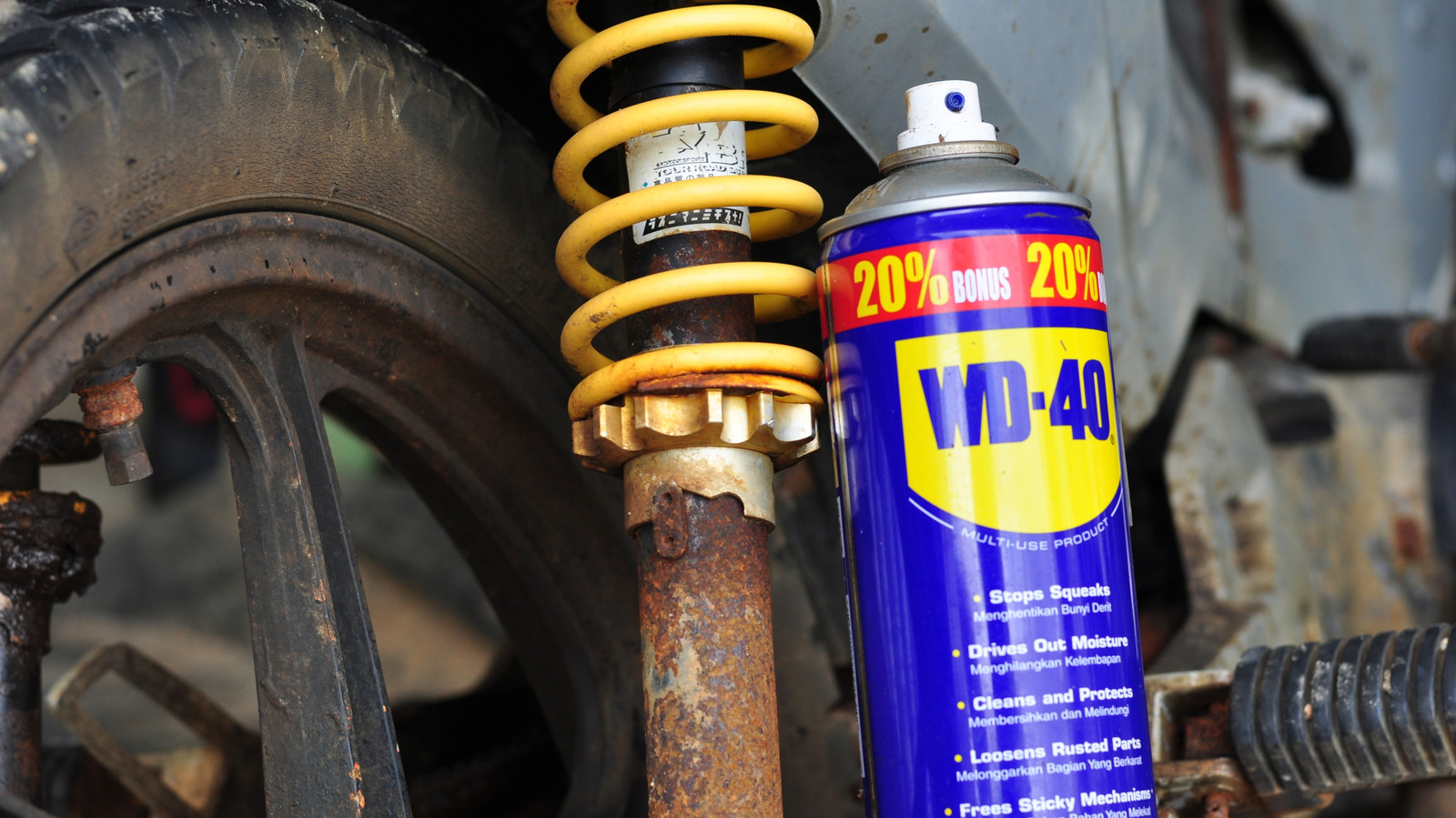
As temperatures drop and winter weather sets in, drivers are searching for ways to protect their vehicles. Many are turning to the popular lubricant WD-40, known for its versatility in various applications. Originally designed as a penetrating oil, WD-40, which stands for Water Displacement, 40th formula, can serve as an effective temporary rustproofing solution for cars during the cold months.
Using WD-40 on a vehicle’s undercarriage can shield it from the damaging effects of road salt. In regions that experience frequent snow and ice, road salt is commonly applied to enhance driving safety. Unfortunately, this salt reacts with metal surfaces, leading to rust formation. A layer of WD-40 can help mitigate this issue, protecting the undercarriage from corrosion. For those interested in using this method, WD-40 offers a specific product called the Rust Inhibitor, designed for such applications.
Winter Hacks for Car Owners
Another effective use of WD-40 during winter involves treating rubber door seals and locks. In frigid temperatures, doors can freeze shut, making it difficult for drivers to access their vehicles. Spraying WD-40 on door seals and locks can prevent freezing, ensuring ease of entry even in sub-zero conditions. For vehicles equipped with locking wheel hubs, WD-40 can also be beneficial if the hubs become stuck.
When applying WD-40 to rubber seals, it’s essential to use the silicone version of the product rather than the standard formula. The silicone variant is specifically formulated to protect rubber components without causing damage.
These methods represent just a fraction of the numerous applications for WD-40. While it is widely recognized for its lubricating properties, its role in winter vehicle maintenance is particularly significant. A small amount of this spray can provide substantial protection against the elements, making it a valuable addition to any driver’s winter toolkit.