The award manufacturing industry has experienced significant transformation in recent years, primarily due to the advent of digital design tools. Traditionally reliant on hand sketches and physical molds, the production process now combines craftsmanship with advanced technology. This evolution allows manufacturers to create more customized and precise products, including trophies, plaques, medals, and championship rings.
From Manual Processes to Digital Solutions
Historically, award design began with pencil sketches and physical prototypes. Designers relied on manual skills and experience, often requiring multiple iterations for clients to visualize the final product. This approach was not only time-consuming but also prone to interpretation errors.
The introduction of digital design tools has transformed this process, enabling designers to work in precise, scalable environments. Computer-aided design software allows every detail to be defined numerically, minimizing guesswork and ensuring consistency during production runs. This shift has enhanced accuracy and empowered designers to explore creative possibilities without the constraints of physical mockups.
Efficiency and Customization in Production
One of the most notable impacts of digital design is in the speed of production. Previously, changes to an award design could require new sketches or even starting from scratch. Now, revisions can be made almost instantly within a digital file, streamlining workflows across the entire manufacturing process.
This increased agility benefits time-sensitive events such as tournaments and corporate milestones. Enhanced customization capabilities also cater to modern consumers’ expectations for personal touches. Names, dates, logos, and unique shapes can now be easily integrated into designs, allowing for tailored awards that reflect specific achievements.
The collaboration between manufacturers and clients has also improved significantly. Instead of relying on flat sketches, designers can present realistic renderings and interactive models. Clients can view awards from multiple angles, understand proportions, and visualize materials in ways that were previously impossible without a physical sample. This shared visual language reduces misunderstandings, leading to smoother approval processes and higher satisfaction among clients.
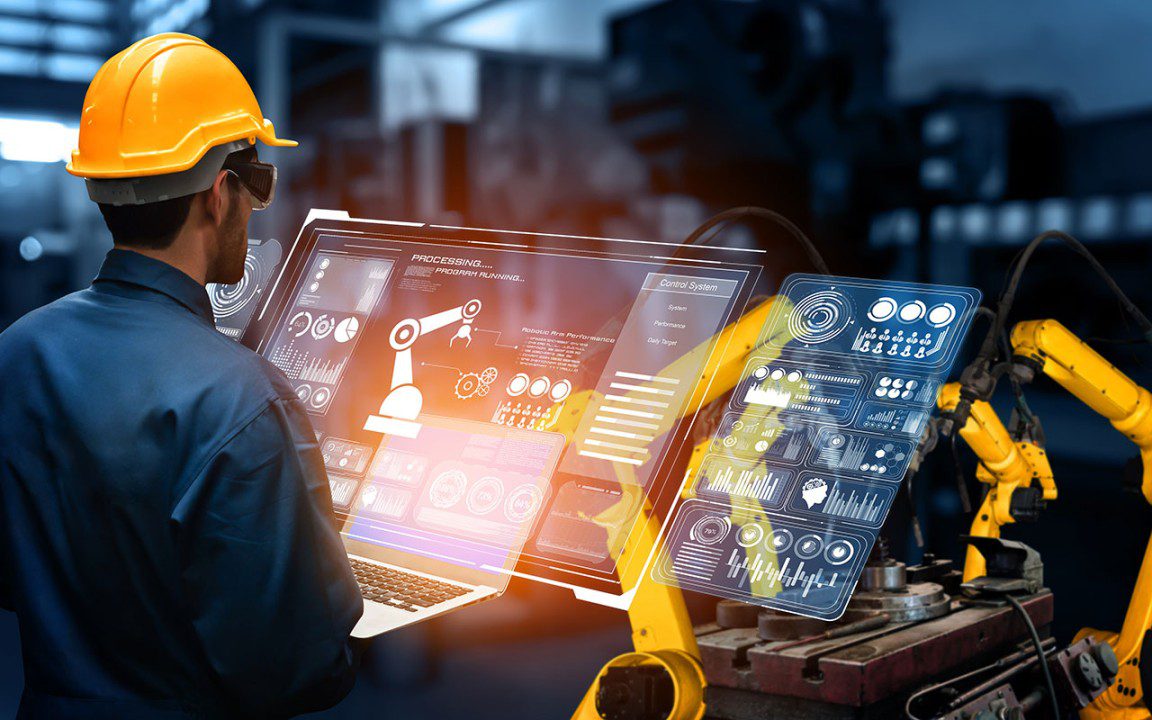
The integration of digital design with advanced manufacturing technologies, including CNC machining, laser engraving, and 3D printing, has further enhanced production efficiency. Digital design files are directly sent to these machines, minimizing manual translation errors and ensuring that designs are faithfully reproduced. This advancement allows for greater efficiency and tighter tolerances, enabling the production of complex geometries that traditional methods cannot achieve.
Consistency is crucial in large orders, whether for corporate recognition programs or sports leagues. Digital design tools ensure uniformity across all pieces, maintaining brand integrity and perceived quality. Digital libraries of design elements enable manufacturers to reuse and adapt proven components, striking a balance between customization and consistency.
Cost efficiency is another benefit of this digital shift. While there is an initial investment in software and training, digital design tools ultimately reduce costs for manufacturers. The decrease in physical prototypes leads to less material waste, and faster approvals cut down on labor hours spent on revisions. Over time, these efficiencies translate to competitive pricing while maintaining healthy profit margins.
Moreover, the environmental impact is increasingly relevant. By reducing waste and improving production efficiency, digital design practices align with the growing sustainability expectations of clients and consumers.
Expanding Creative Horizons and Workforce Skills
The impact of digital design tools also extends to the creative possibilities available to designers. They are no longer limited by manual skills; advanced software enables the creation of intricate patterns and innovative forms that redefine award aesthetics. Parametric design allows elements to be adjusted dynamically, fostering entire families of awards built from adaptable frameworks.
Data-driven design further enhances the creative process. Manufacturers can analyze past designs, production times, and customer preferences to inform future projects. Understanding popular styles and materials helps guide design choices and inventory planning, making design a strategic function within the business.
As digital tools become integral to award manufacturing, the required skills within the workforce have evolved. Designers now blend artistic sensibility with technical proficiency in software platforms, while production teams must understand how digital files translate to machinery. This shift attracts new talent and creates clearer career pathways, enhancing the industry’s resilience and future readiness.
Looking forward, the role of digital design tools in the award manufacturing industry is set to expand further. Emerging technologies such as augmented reality previews and artificial intelligence-assisted design promise even greater efficiency and creativity. Clients may soon be able to customize awards in real time through online platforms, with designs flowing seamlessly into production systems.
The award manufacturing industry has been fundamentally altered by digital design tools, leading to modernized workflows, enhanced customization, and expanded creative potential. What was once a slow, manual process has evolved into a dynamic, collaborative, and data-informed system that benefits both manufacturers and clients. As the industry continues to adapt, those who invest in digital design will be best positioned to deliver meaningful and memorable awards in an increasingly competitive marketplace.