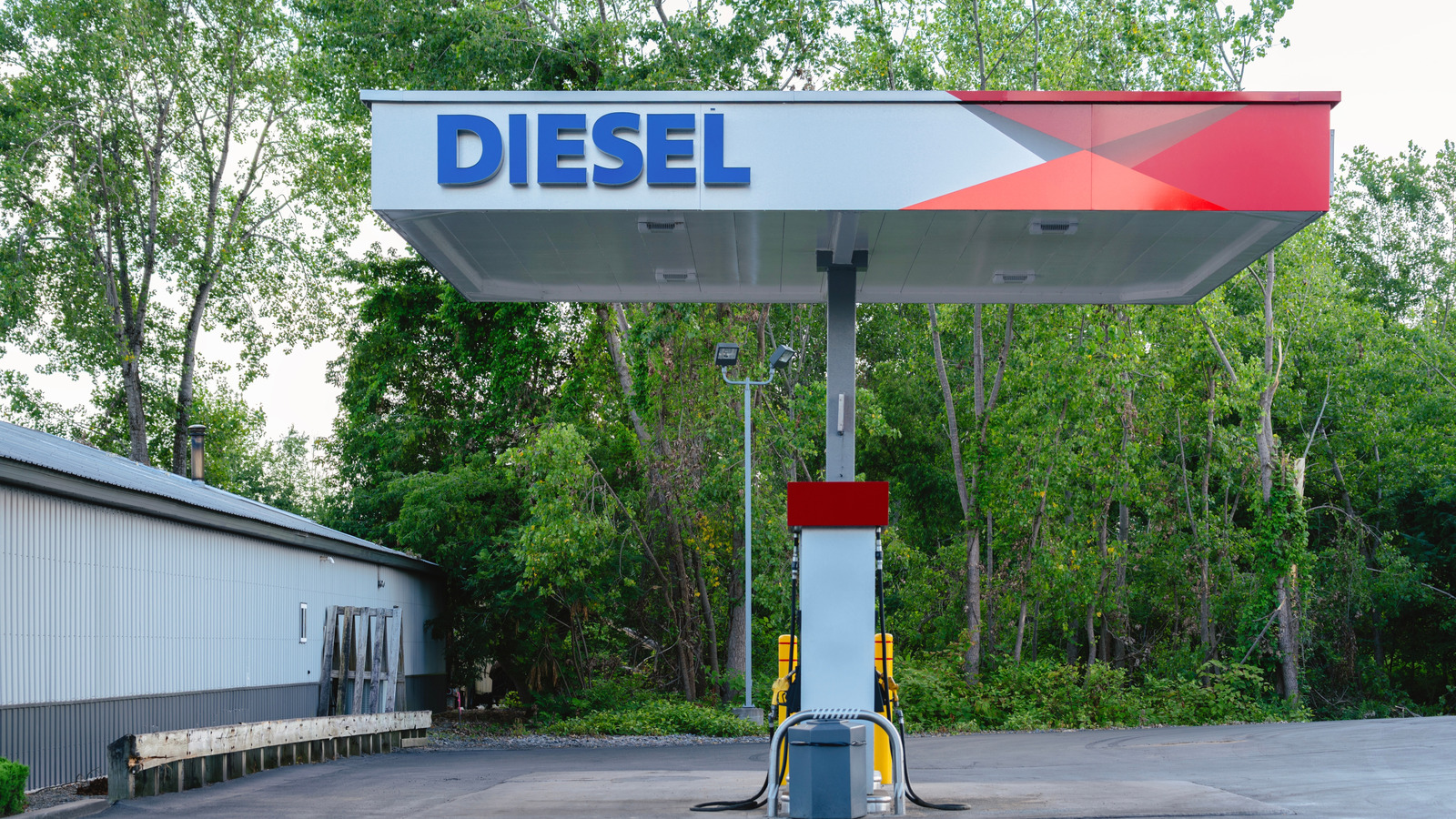
Citgo, a prominent U.S. gas station chain, operates over 4,000 independently owned locations across the country. While it presents itself as a Texas-based company, a deeper look reveals that Citgo is a wholly owned subsidiary of Petroleos de Venezuela, S.A. (PDVSA), the state-run oil company of Venezuela. This ownership structure has significant implications, especially given the complex legal and financial challenges facing Venezuela.
The relationship between Citgo and PDVSA dates back to the 1980s, when PDVSA began acquiring shares of the company. By 1990, PDVSA had complete control, allowing it to utilize Citgo as a critical outlet for its crude oil and refined products in the U.S. market. While this arrangement has functioned smoothly for years, recent events have intensified scrutiny on Citgo’s Venezuelan ownership, particularly in light of Venezuela’s ongoing economic and legal troubles.
Citgo has become a focal point in the context of Venezuela’s long-standing debt issues. Over the past decade, the country has accumulated billions in unpaid obligations to various creditors, including bondholders and oil companies. As Venezuela struggled to meet these financial commitments, creditors began seeking legal recourse in U.S. courts, aiming to leverage Citgo’s assets to satisfy outstanding claims. This has placed Citgo in a precarious position, as it remains highly valuable and legally accessible.
Legal Battles and Ownership Disputes
The ongoing legal disputes surrounding Citgo are procedural in nature and are governed by U.S. commercial law rather than political considerations. Despite the strained diplomatic relationship between the U.S. and Venezuela, the courts have continued to address the matter independently. Judges have approved frameworks allowing creditors to bid for ownership stakes in Citgo, providing a potential pathway for recovering some of their losses.
Significant delays have occurred throughout this process, as appeals and counterclaims have slowed progress. The legal battles are compounded by the fact that Citgo is not directly owned by the Venezuelan government, but rather through two U.S.-based holding companies linked to PDVSA. This structure means that Citgo falls under U.S. jurisdiction when disputes arise, making it a target for creditors seeking repayment.
In December 2025, a pivotal decision was made when a judge approved the sale of Citgo to Amber Energy, a Houston-based energy company. This sale is expected to proceed in the coming year, potentially reshaping the landscape of gas retailing in the U.S.
Implications for Consumers and the Future
For consumers, the day-to-day operations of Citgo stations remain unchanged, despite the ongoing legal complexities. The brand continues to operate as one of the many fuel retailers in the U.S., but its corporate structure sets it apart in the realm of international business ownership.
As the sale to Amber Energy approaches, the implications of this transaction will likely extend beyond corporate interests. It may influence perceptions of foreign ownership in American businesses and raise questions about the future of Venezuelan assets in the U.S. market. The legal landscape surrounding Citgo serves as a reminder of the intricate connections between international finance, energy markets, and the realities of global diplomacy.
Citgo’s case highlights the unique challenges and opportunities faced by companies with foreign ownership in the U.S. As long as the legal disputes continue, the company will remain in the spotlight, drawing attention not just for its fuel supply but also for the complex web of international relations and economic issues that surround it.