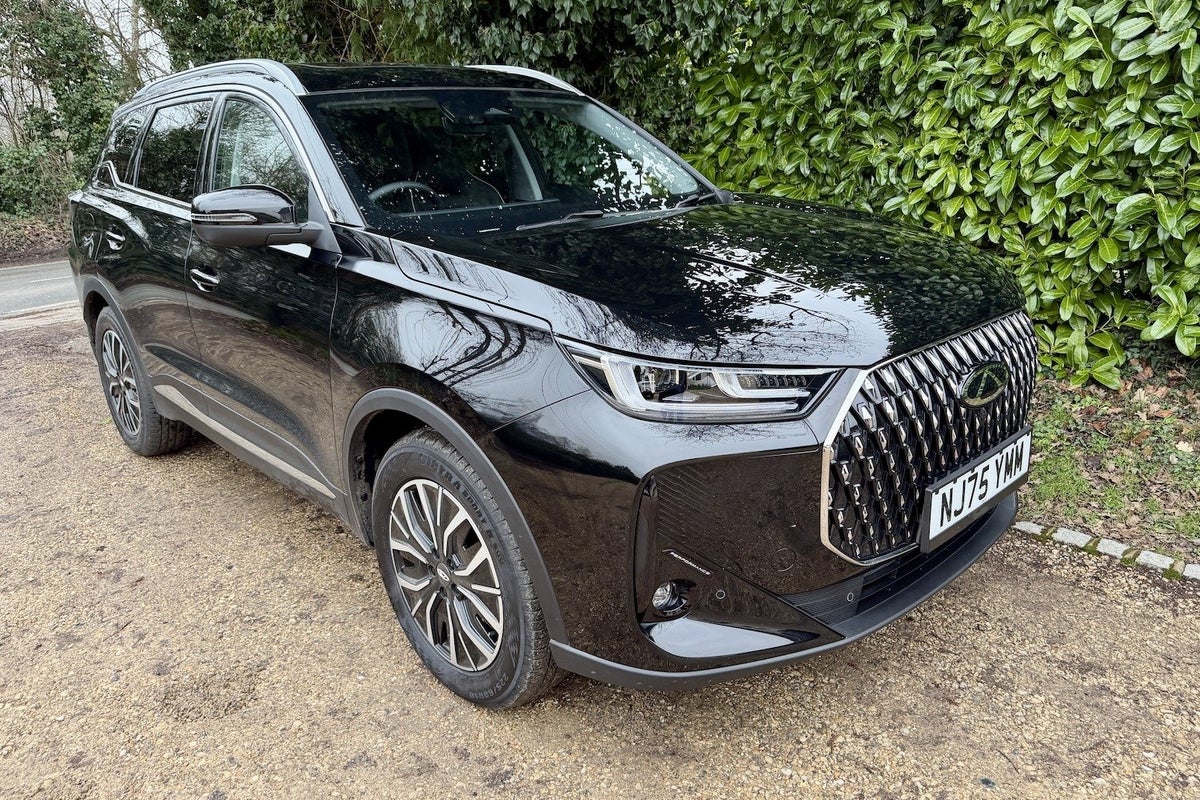
Chinese automotive brands are making significant inroads in the UK market, with models like the Chery Tiggo 7 emerging as notable contenders. As one of the latest plug-in hybrids from Chinese manufacturers, the Tiggo 7 is part of a growing segment of affordable SUVs priced around £30,000. This surge in popularity is reflected in the overall increase in plug-in hybrid sales, which have risen by 35 percent in 2025.
The Tiggo 7 joins other Chinese models such as the BYD Sealion, Geely Starray, Omoda 7, and the MG HS. These vehicles offer a compelling mix of features, efficiency, and value, leading to heightened consumer interest. Distinguishing between these similar-looking models can be challenging, as they often share comparable pricing, specifications, and efficiency claims.
Brand recognition plays a crucial role in this competitive landscape. Established names like MG benefit from their familiarity in the UK market, which gives them an edge over newer entrants. However, the Tiggo 7 has captured attention beyond its price tag, particularly in how it is perceived by potential buyers.
During a week-long experience with the Tiggo 7, initial reactions from acquaintances were telling. A friend from the automotive industry mistook it for an Infiniti, noting its resemblance to the styling of Nissan‘s luxury brand. Others who explored the vehicle’s interior remarked on its quality, likening it to BMW standards while commenting on the improvements in technology, specifically noting fewer disruptive alerts than previous Chinese models.
Family members also weighed in on the Tiggo 7’s performance. After a 405-mile round trip to Liverpool, my son noted that the vehicle still had over 100 miles of fuel range left, a testament to its efficiency. Although he found the seats less comfortable after spending eight hours in the vehicle, the overall experience was positive.
My daughter, who is considering a larger vehicle to accommodate her growing Labrador puppy, was initially skeptical about the Tiggo 7’s affordability. She had been eyeing a Volkswagen Tiguan but was surprised to learn that the Tiggo 7 starts at under £25,000 for the petrol model and under £30,000 as a plug-in hybrid, with attractive leasing options. Her friend’s positive experience with an MG made her more open to the idea of choosing a Chinese vehicle.
While there are areas where these models still lag behind their European competitors—such as ride quality and tech usability—these shortcomings are becoming less significant. The ride in the Tiggo 7 is relatively smooth, and many tech features can be updated via over-the-air software improvements.
The remarkable value offered by Chinese cars cannot be overlooked. Their combination of price, efficiency, specifications, and build quality positions them as serious contenders in the market.
To answer the question posed by my daughter: yes, I would consider purchasing a Chinese car. While it is essential to choose wisely among the available options, the appeal of these new brands is undeniable, especially for buyers prioritizing value. Interestingly, many consumers may already own Chinese-made electric vehicles without realizing it. Models such as the MINI Aceman, Polestar, and older Tesla models were produced in China, demonstrating the country’s growing influence in the automotive sector.
As the automotive landscape continues to evolve, the rise of Chinese manufacturers signifies a shift that could redefine consumer choices in the coming years.