In a significant shift in the artificial intelligence landscape, companies like Pinterest are increasingly turning to Chinese AI models to enhance their services. This trend marks a turning point in the AI race, with Chinese developments gaining traction among major international firms.
Chinese Models Gain Popularity
Pinterest has recently integrated Chinese AI technology into its recommendation engine, leveraging the capabilities of models such as the DeepSeek R-1, launched in January 2025. According to Pinterest’s CEO, Bill Ready, this has transformed the platform into an “AI-powered shopping assistant.” While Pinterest could have opted for American models, the decision to incorporate Chinese technology represents a growing reliance on internationally developed AI solutions.
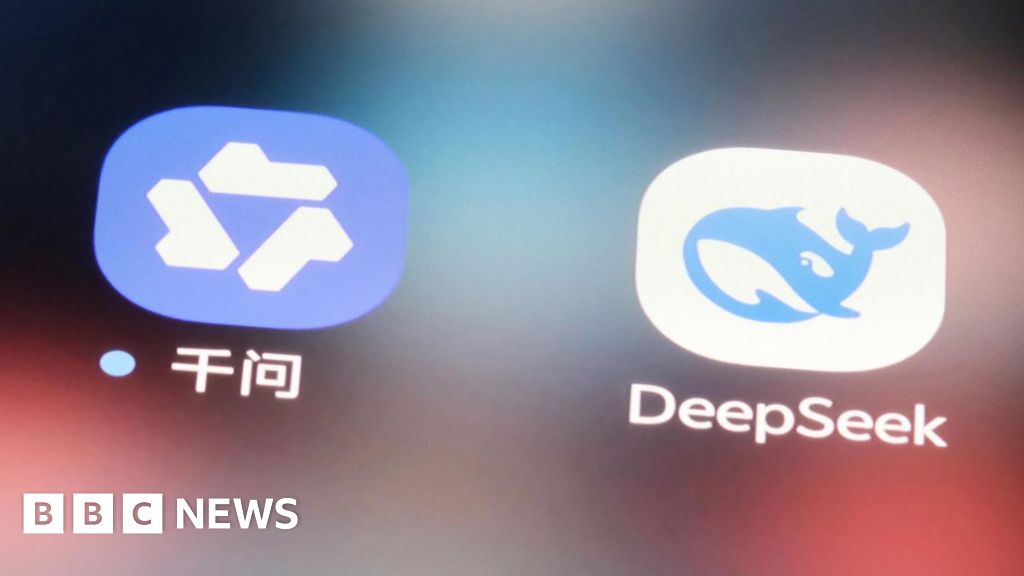
The DeepSeek moment, as Ready describes it, has sparked a wave of innovation in open-source models. These models are not only freely available but also customizable, providing a distinct advantage over proprietary models from US firms like OpenAI. Pinterest’s Chief Technology Officer, Matt Madrigal, emphasized the accuracy and cost-effectiveness of these models, stating that their in-house models trained with open-source techniques are “30% more accurate than the leading off-the-shelf models.”
The Broader Impact on AI Development
The trend extends beyond Pinterest. Companies such as Airbnb have also acknowledged the benefits of using Chinese AI technology. In October, Airbnb CEO Brian Chesky noted that the company relies significantly on Alibaba’s Qwen for its AI customer service agent, citing factors such as speed, quality, and cost-effectiveness.
Data from Hugging Face, a platform for downloading AI models, indicates a growing preference for Chinese models. Developer Jeff Boudier reported that many of the most popular models on the site are from Chinese labs, highlighting their dominance in the AI community. In September, Qwen surpassed Meta’s Llama to become the most downloaded family of large language models on Hugging Face.
The increased adoption of Chinese AI models has raised concerns in the US, particularly among technology leaders. A recent report by Stanford University suggested that Chinese AI models have not only caught up with their global counterparts but may have surpassed them in capabilities and user adoption. This report aligns with comments from former UK Deputy Prime Minister Sir Nick Clegg, who expressed concern that US companies are overly focused on pursuing advanced AI, potentially allowing China to dominate the open-source AI landscape.
As US firms like OpenAI strive to maintain profitability, they face intense pressure to innovate while managing costs. OpenAI has recently released two open-source models but continues to allocate substantial resources to proprietary models designed to generate revenue. CEO Sam Altman acknowledged the necessity of investing heavily in future models and infrastructure to secure their competitive edge.
This evolving dynamic in the AI sector illustrates a significant shift in how companies source technology, with Chinese models increasingly seen as viable alternatives to traditional US offerings. As the landscape continues to change, the implications for global competition in AI technology will be profound.