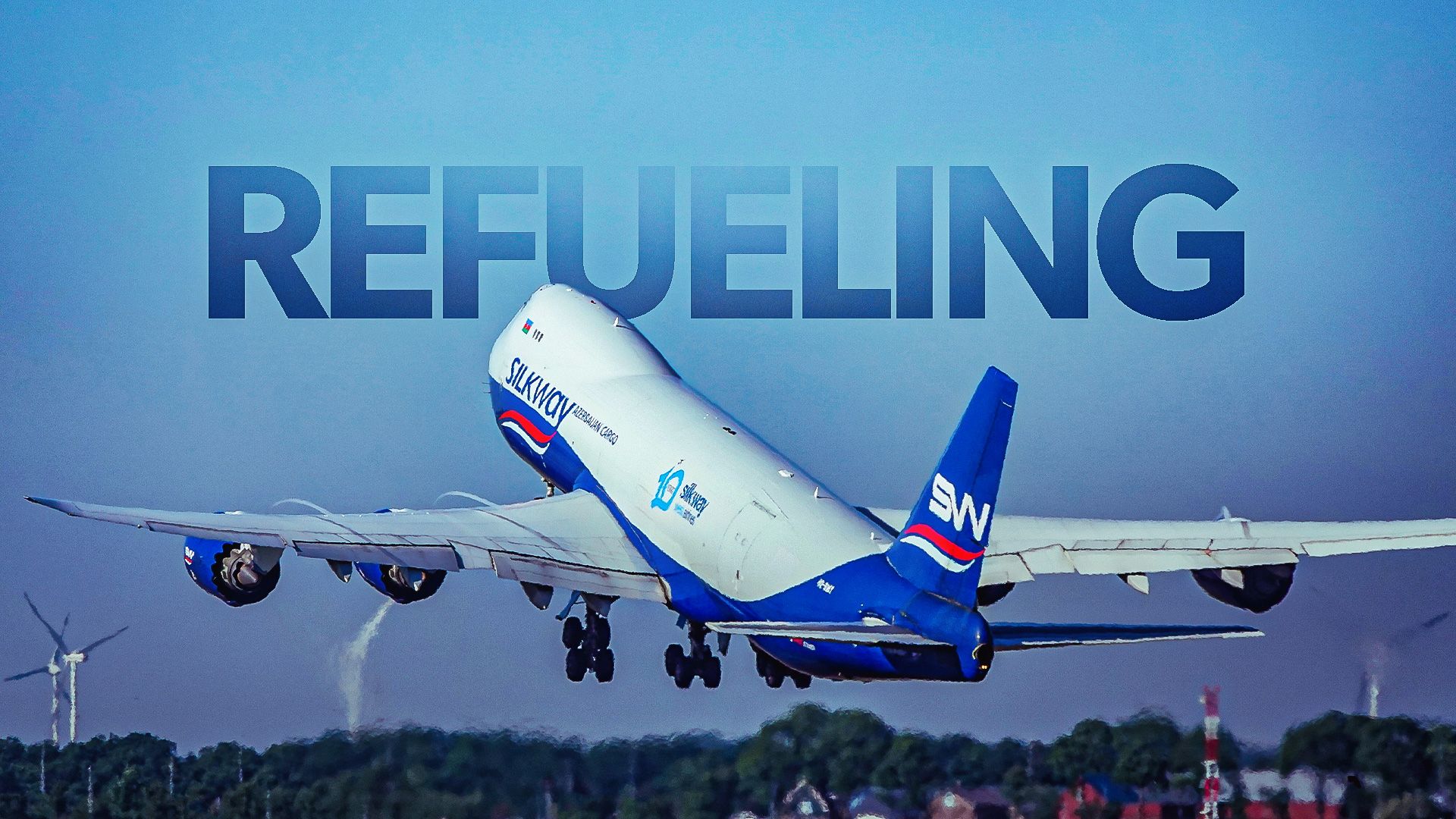
The Boeing 747, often referred to as the “Queen of the Skies,” has been a pivotal player in aviation history, transforming long-distance travel since its introduction. A common inquiry among aviation enthusiasts and industry professionals is: how many hours can a Boeing 747 fly without refueling? This question remains particularly relevant in today’s era of ultra-long-haul flights and advancements in aircraft efficiency.
To understand the 747’s endurance, one must consider the various models within its family, which span several decades. The range varies significantly among these models, from the early 747-100 to the modern 747-8 Intercontinental. Additionally, specialized variants, including the uniquely modified Air Force One and proposed aerial tankers, present fascinating exceptions to the standard endurance metrics.
Typical Endurance of the Boeing 747
For standard commercial versions, a Boeing 747 can generally remain airborne for approximately 13 to 16 hours without refueling, depending on factors such as payload, weather conditions, and cruising altitude. The most enduring model, the 747-8 Intercontinental, has a maximum range of about 7,730 nautical miles (approximately 14,320 kilometers), allowing for flight times between 15 and 16 hours under ideal conditions. Earlier variants like the 747-100 and 747-200 could manage between 4,600 and 6,200 nautical miles (about 8,500 to 11,500 kilometers), translating to around 10 to 14 hours of continuous flight.
Real-world endurance tends to differ from theoretical maximums. Airlines must account for reserve fuel, diversion fuel, and safety margins, which can reduce the usable flight time significantly.
Factors Influencing Range and Efficiency
The endurance of a Boeing 747 on a single fuel load is determined by several key factors: fuel capacity, engine efficiency, payload weight, and flight-planning constraints, including reserves for unexpected weather or alternate airports.
Fuel capacity varies significantly across the 747 models. For instance, the early 747-100 could hold about 48,400 gallons (approximately 183,380 liters) of jet fuel, while the later 747-8 models can store more than 63,034 gallons (about 238,610 liters). This increase in fuel capacity, alongside advancements in engine efficiency, is a primary reason later variants enjoy longer endurance.
Engine performance plays a crucial role as well. Newer turbofan designs, such as the GE GEnx engines on the 747-8, consume less fuel per hour, effectively extending the aircraft’s usable flight time. Additionally, wind and weather conditions can significantly affect a flight’s endurance; favorable tailwinds can enhance effective range and flight duration.
Fuel capacity and estimated hours for various models are as follows:
– **747-100**: Max Fuel Capacity ~183,000 L, Estimated Max Flight Hours ~11–12 h
– **747-200**: Max Fuel Capacity ~199,000 L, Estimated Max Flight Hours ~12–14 h
– **747-400**: Max Fuel Capacity ~216,800 L, Estimated Max Flight Hours ~14–15 h
– **747-8I**: Max Fuel Capacity ~238,600 L, Estimated Max Flight Hours ~15–16 h
These estimates are based on optimal conditions, and actual operations often require additional reserve fuel, affecting overall endurance.
Commercial airlines typically prioritize on-time performance and safety reserves rather than pursuing maximum theoretical flight hours. The operational reality means that a fully loaded 747-400 flying from Los Angeles to London may not achieve its maximum range if departing at maximum takeoff weight.
Published data regarding the 747’s capabilities often rely on certification criteria that include assumptions about payload, winds, and reserve fuel. According to AviaMagazine, these figures do not directly translate into actual flight hours without considering real-world flight planning practices.
While the Boeing 747 was once the leader in long-distance flight, modern twin-engine aircraft like the Boeing 787 and Airbus A350 have emerged as strong competitors, capable of flying 18 to 20 hours on ultra-long intercontinental routes due to their lighter composite structures and highly efficient engines. Notably, the record for the longest nonstop flight belongs to Singapore Airlines, which operates an 18-hour route between New York and Singapore using the Airbus A350-900ULR.
Unique Cases and Special Variants
Some exceptional cases illustrate the versatility of the 747. Notably, the concept of the KC-747 aerial tanker was explored by Boeing in the 1970s, allowing for in-flight refueling. Although this project did not gain significant traction, the potential for a 747 tanker to remain airborne indefinitely—limited only by crew endurance and maintenance—highlights a different dynamic when discussing endurance.
Air Force One, the aircraft designated for the US President, is another special case. It is equipped for aerial refueling, enabling it to remain aloft for extended periods without landing. While specifics regarding its endurance are classified, analyses suggest it could theoretically operate for days with mid-air refueling, constrained mainly by crew rest and maintenance needs rather than fuel capacity.
Ultimately, while the Boeing 747 can achieve a realistic flight ceiling of about 13 to 16 hours under ideal conditions in standard configurations, the evolution of aircraft design has led to newer models that surpass its capabilities in terms of endurance and fuel efficiency. Nonetheless, the 747 remains an iconic symbol of aviation, with its impressive range and versatility captivating aviation enthusiasts worldwide.