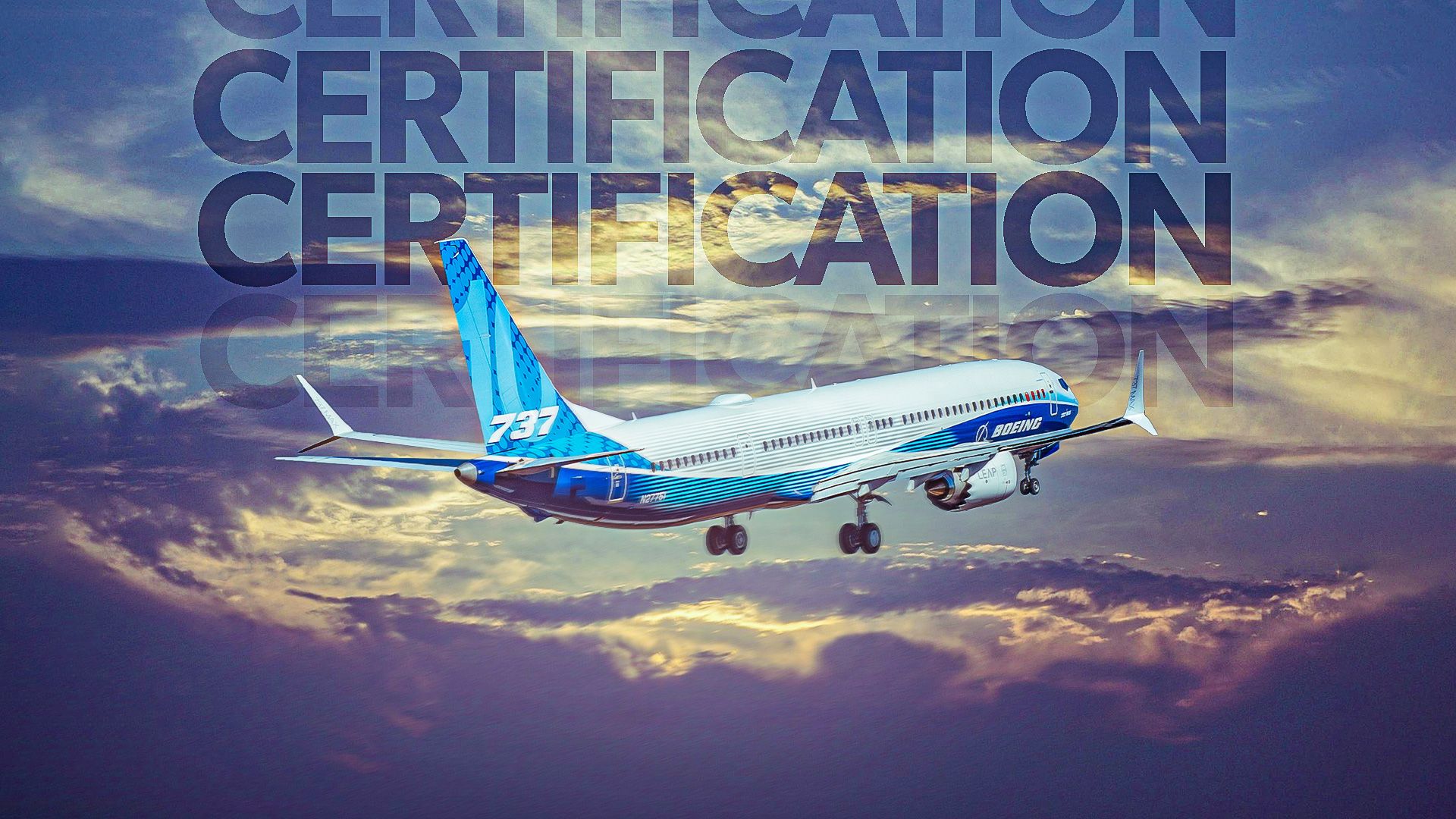
The certification process for the Boeing 737 MAX 10 has faced significant delays since its introduction in 2017. Originally expected to enter commercial service smoothly as a stretched variant of the MAX 9, the aircraft remains uncertified, despite numerous orders. Recent developments suggest progress, as Boeing has submitted a fix for the aircraft’s anti-ice engine system and completed a redesigned crew alerting system required by the Federal Aviation Administration (FAA).
Boeing’s MAX 10 is intended to be the most economical and highest-capacity member of the 737 MAX family, optimized for high-density routes. However, certification setbacks have pushed anticipated entry dates into 2026 and possibly beyond. Following the MAX 8’s return to service after resolving quality control issues, the MAX 10’s delays continue to raise questions among airlines eager for delivery.
Recent Advances in Certification Process
The FAA announced it has commenced a formal review of Boeing’s updated crew alerting system, a critical component required for the entire MAX family. This review follows new Congressional safety requirements introduced after the tragic crashes of Lion Air Flight 610 and Ethiopian Airlines Flight 302 in 2018 and 2019, which resulted in the loss of 346 lives.
Boeing’s proposed package includes a synthetic-enhanced angle-of-attack system, allowing pilots to disable stall warnings and overspeed alerts in certain scenarios. The FAA’s approval of this system is essential for moving forward, as Boeing will have three years to retrofit existing 737 MAX aircraft once it is approved. This upgrade aims to mitigate risks associated with faulty sensor data, which was a contributing factor in the aforementioned crashes.
The introduction of a computed third angle of attack reference is expected to reduce the chance of inadvertent MCAS activation, which previously forced aircraft noses downward due to reliance on a single sensor.
Anti-Ice System Fix Completes Key Milestone
Boeing recently achieved a significant milestone by resolving issues with the anti-ice engine system that had delayed certification for both the MAX 7 and MAX 10 variants. The anti-ice system is crucial for preventing ice accumulation in the engine, especially during adverse weather conditions.
Prolonged use of the previous design exposed vulnerabilities in the engine nacelle, which is constructed from composite materials susceptible to thermal damage. Boeing has confirmed that the redesign is now complete and is awaiting FAA approval to proceed with certification.
Despite ongoing challenges, Boeing has commenced limited production of the MAX 10, with 16 aircraft, including two test models, already produced. These aircraft are primarily intended for United Airlines, enabling the company to avoid further delivery delays once certification is achieved.
While Boeing and the FAA have not committed to a specific certification timeline, industry experts anticipate that the expected date of late 2025 may be pushed into 2026 or even 2027 due to the ongoing review of the crew alerting system and the necessity of successful test flights.
Impact of Delays on Airlines and Boeing’s Production Plans
The continued certification delays directly affect Boeing’s production strategy. Boeing CEO Kelly Ortberg announced that the MAX 10 will be exclusively produced at the company’s Everett, Washington facility, a shift from the Renton site used for other MAX models. This change marks a significant transition, as the Everett facility will now assemble narrowbody aircraft, utilizing the former 747 final assembly line.
Airlines are keenly awaiting the MAX 10, which can accommodate between 188 to 230 passengers, making it a desirable option for high-density routes. Major carriers such as Delta Air Lines and United Airlines have placed substantial orders for the aircraft, with each airline seeking over 100 units.
United, for instance, had planned to introduce a lie-flat first-class option on its MAX 10s to compete effectively on premium transcontinental routes. However, ongoing delays have led the airline to cease production requests until a firm delivery timeline is established.
Other airlines, including ultra-low-cost carrier Ryanair, which has ordered 300 MAX 10s, and Alaska Airlines, with over 60 on order, also face uncertainty due to the certification holdup.
Looking Ahead: Optimism for the 737 MAX 7
While the MAX 10 faces hurdles, there is growing optimism regarding the certification of the 737 MAX 7. Southwest Airlines CEO Bob Jordan expressed confidence that the MAX 7 could receive certification by August 2026, aligning with Boeing’s earlier forecasts.
This potential certification of the MAX 7 may signal a successful path forward for the MAX 10, as it would demonstrate that Boeing and the FAA can navigate the new certification guidelines effectively.
As the aviation industry watches closely, the certification saga of the Boeing 737 MAX 10 continues to unfold, with both hope and uncertainty lingering in the air.