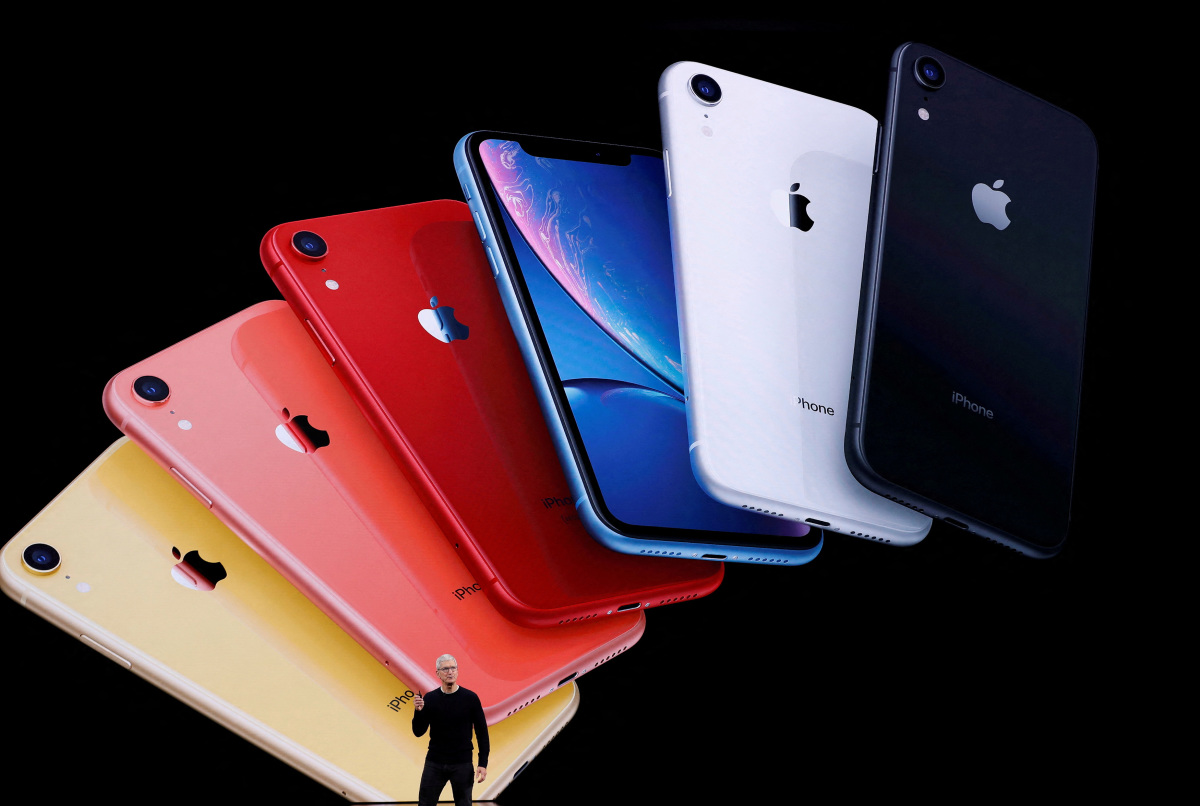
Apple has officially updated its classification of devices, adding several older models, including the popular iPhone 11, to its vintage list as of 2026. This transition signals a significant change for users still relying on these devices, particularly in terms of repair options and technical support.
The designation of vintage applies to devices that have been off the market for more than five years but less than seven. Under Apple’s policy, once a device reaches this status, the company ceases to provide technical assistance. Certified technicians can no longer order new components for repairs, which raises concerns for those still using these models. The iPhone 11, launched in September 2019, has now officially been categorized as vintage, impacting the repair landscape for many users.
While vintage devices might still receive repairs, this largely depends on the availability of spare parts. If Apple has the necessary components in stock, users may still find support through authorized service centers. However, once supplies run out, these devices effectively become obsolete and can no longer be serviced through official channels. Once a device is categorized as obsolete, typically after being out of circulation for over seven years, all hardware repairs cease globally.
The company’s classification system allows it to focus on maintaining current technology while gradually phasing out older generations. This strategy reflects the fast-paced nature of the technology industry, where sourcing parts for outdated devices becomes increasingly challenging.
For consumers holding onto their vintage iPhones, it is essential to understand the implications of this change. Repairs that were once straightforward, such as battery replacements or screen repairs, may no longer be possible through Apple. Instead, users will need to seek assistance from independent repair shops that may use non-Apple parts or components sourced from other used devices.
As of now, the iPhone 11 joins a list of devices deemed vintage, with other models also being categorized similarly. Users are encouraged to check Apple’s official vintage and obsolete lists to assess their options for repairs. This serves as a reminder of the rapidly evolving nature of technology and the importance of staying informed about the status of personal devices.
In light of these changes, consumers should weigh their options carefully. If you own an obsolete iPhone, your choices may be limited. Seeking repairs from non-certified repair shops could be a viable alternative, though it carries its own risks in terms of quality and warranty coverage.
As technology continues to advance, keeping abreast of updates from manufacturers like Apple is crucial for ensuring that devices remain functional. Understanding the implications of vintage and obsolete designations can help users make informed decisions about their devices’ future.