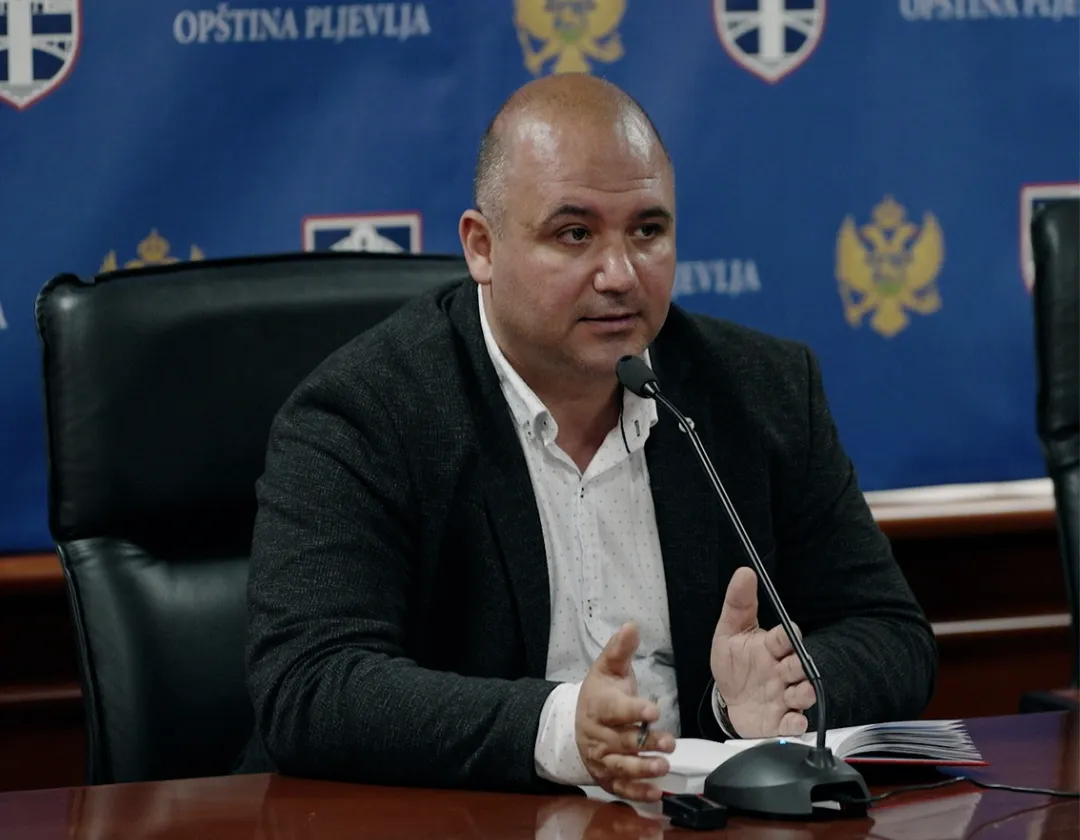
The Ombudsman of Montenegro has recommended that Dario Vranes, the Mayor of Pljevlja, delete a controversial post from his Instagram account. The post, which was made in early December 2022, contains derogatory comments about Milka Tadic Mijovic, the executive director of the Center for Investigative Journalism, in response to her criticism of his nationalism.
In the post, Vranes quoted a line from the poet Njegos, adding several emojis, and stated, “Tell me, father, are you a witch? Yes, my prince, there is no shame in hiding.” The Ombudsman advised Vranes to refrain from making comments that encourage discrimination against women, as well as from perpetuating stereotypes and prejudices that justify misogynistic and sexist speech.
According to the Ombudsman’s opinion, which was reviewed by the news outlet Vijesti, Vranes must provide a report within 30 days on the actions taken in response to these recommendations. The Mayor had previously claimed that the Podgorica Assembly, which annexed Montenegro to Serbia in 1918, was legitimate. He stated that “Montenegrin separatists are disputing it despite clear testimonies.”
Tadic Mijovic responded to Vranes’ remarks, stating that his actions were predictable and reflected a mindset that does not align with a civil and free Montenegro. She emphasized the historical context, noting, “He celebrates conquerors and nationalists who occupied our country in 1918. It seems he would even lay claim to Prizren. Maybe, but on his own; not with our children. They will go to Europe, not with Vranes.”
Following these events, the Basic Prosecutor’s Office in Pljevlja filed a request last week to initiate misdemeanor proceedings against Vranes due to his comments directed at Tadic Mijovic. In a document signed by the Deputy Ombudsman, Nerma Dobardzic, it was noted that Vranes’ post was a reaction to the journalist’s critical assessment of his work.
The Ombudsman’s opinion highlighted that while such reactions could be viewed as part of political discourse, the content and form of expression must be evaluated in their entirety. The document emphasized the use of language that describes women in derogatory terms, framing them in a context that questions their credibility in public discourse.
This symbolism, the Ombudsman stated, carries gendered and age-related meanings that contradict the principle of equality. The post, therefore, does not come across as a neutral or purely political message but rather as an expression that reproduces gender and age stereotypes, effectively reducing Tadic Mijovic to preconceived social patterns.
The document further noted that the impact of Vranes’ statement is magnified by its origin from an official municipal account, which increases its reach and potential discouragement for not just Tadic Mijovic but also for other women and older individuals participating in public life.
Vranes’ claims that he did not intend to offend anyone and that he “respects all women regardless of personal characteristics” were dismissed in the Ombudsman’s analysis. The intention behind the statement was deemed irrelevant in determining discrimination, as the objective effect and public message take precedence over the author’s subjective intent.
The Ombudsman concluded that freedom of expression does not encompass the right to use language that is unnecessary for political debate and may lead to violations of dignity or create a hostile environment based on gender or age.