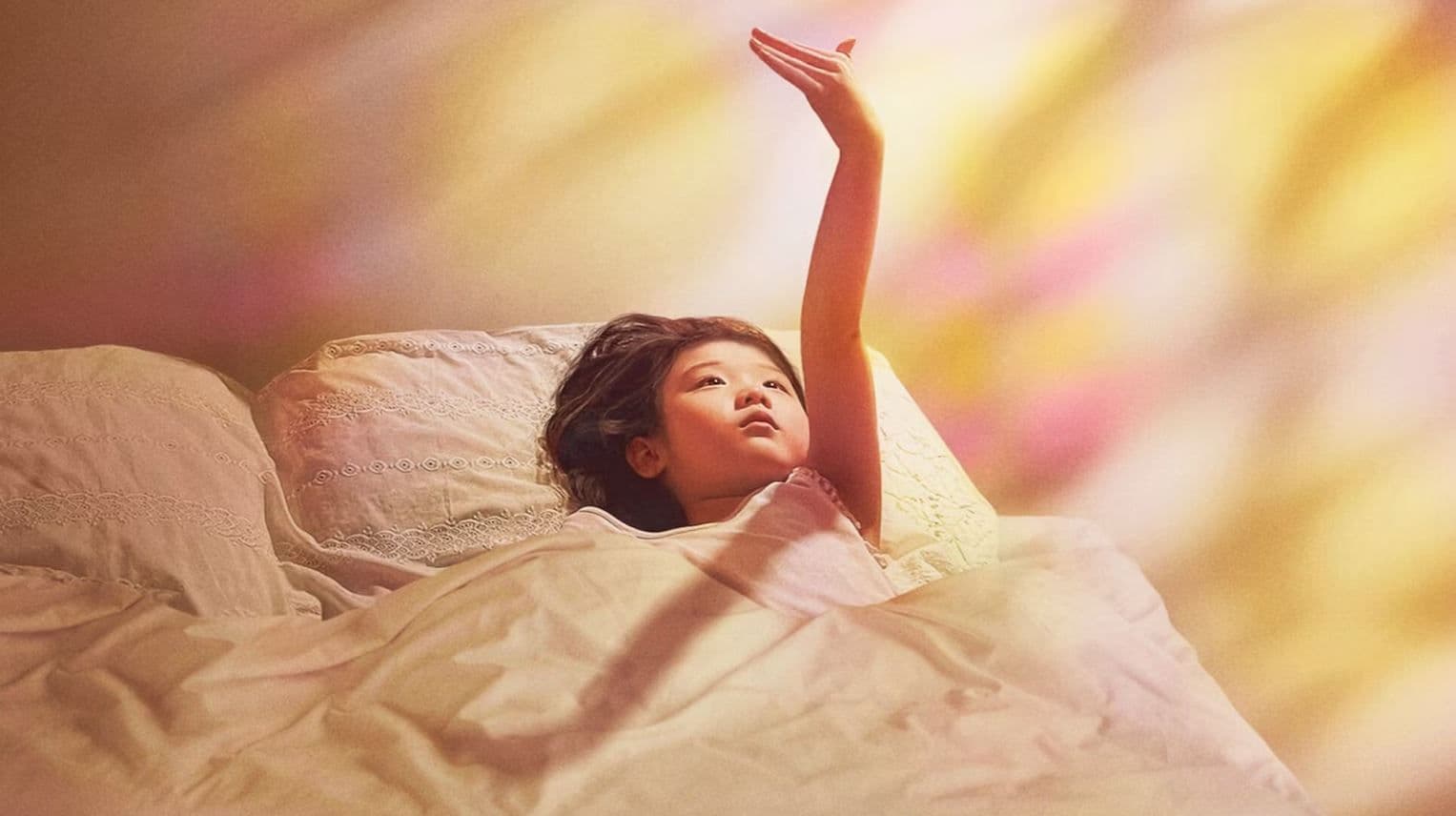
A new film titled “Left-Handed Girl” is drawing attention to the challenges faced by left-handed individuals, especially children. Directed by Shi-ching Cu, the film debuted at the Cannes Film Festival in 2023 and has become a poignant exploration of societal perceptions of left-handedness. Cu’s project, a first-time directorial venture, highlights how cultural beliefs can deeply affect personal identity and self-acceptance.
The narrative centers around a young girl named Ai-jing, portrayed by Nina Ji, who grows up in a dysfunctional family. The film portrays her struggles in a society that often stigmatizes left-handedness, viewing it as a curse rather than a natural variation. Set against the backdrop of Taiwan, the film reflects a long-standing cultural belief that associates left-handedness with negativity, often calling it “devil’s work.”
Exploring Cultural Stigmas
Cu’s inspiration for “Left-Handed Girl” came from her own childhood experiences, where her left-handedness was met with disapproval from her grandfather. This personal connection adds depth to the film, as it confronts the damaging effects of societal norms on individual identity. The film reflects a broader theme: the universal struggle against ignorance and prejudice that many left-handed individuals face.
In the story, Ai-jing’s left-handedness leads to familial and societal pressure, compelling her to feel responsible for her family’s misfortunes. This pressure culminates in a tragic event that forces her to confront her identity. Cu’s storytelling effectively captures the emotional turmoil experienced by those who differ from the norm, illustrating how such differences can be seen as burdens rather than unique traits.
The film not only delves into the psychological impact of being left-handed but also raises questions about how society treats those who are different. It serves as a reminder that left-handed individuals often navigate a world designed primarily for right-handed people, facing practical challenges in everyday life, from using tools to participating in sports.
The Impact of “Left-Handed Girl”
“Left-Handed Girl” has resonated with audiences not only for its heartfelt narrative but also for its critical examination of cultural attitudes towards left-handedness. By portraying Ai-jing’s journey, the film shines a light on the often-overlooked struggles of left-handed children worldwide, challenging viewers to rethink their perceptions.
Cu’s film draws parallels with historical prejudices faced by left-handed individuals, who were once subjected to discrimination and ridicule. The narrative serves to educate and inform, suggesting that embracing differences can lead to a more inclusive society. With left-handedness being a natural occurrence for approximately 10% of the population, the film’s message is both relevant and necessary.
As the film gains traction in international film festivals, it encourages viewers to reflect on their own biases and the societal constructs that influence perceptions of normalcy. “Left-Handed Girl” ultimately advocates for acceptance and understanding, urging audiences to celebrate diversity rather than stigmatize it.
In summary, Shi-ching Cu‘s “Left-Handed Girl” is not just a film about left-handedness; it is a powerful commentary on societal expectations and the journey towards self-acceptance. As it continues to make waves in the film community, it stands as a testament to the importance of representation and the need for a shift in cultural attitudes.