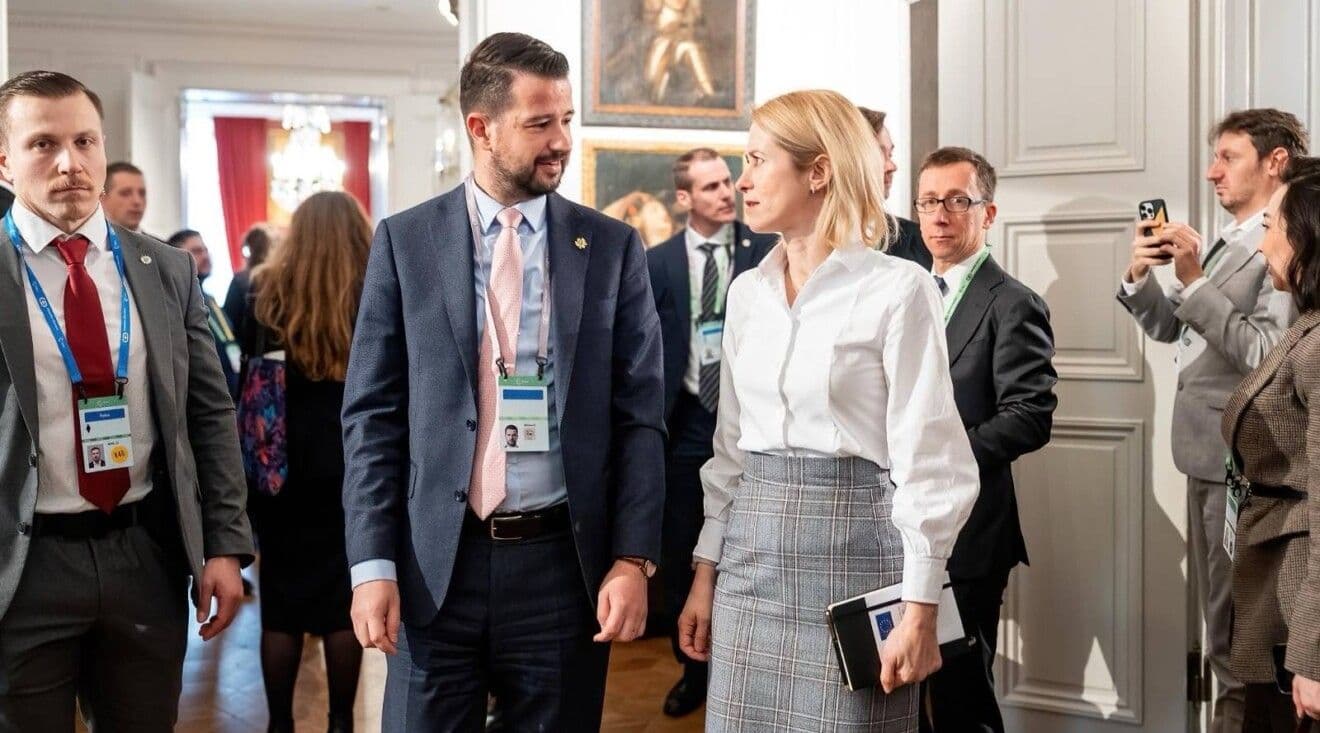
Montenegro’s President, Jakov Milatović, emphasized the nation’s ambition to accelerate its European Union membership process during a recent meeting with Kaja Kallas, the EU’s High Representative for Foreign Affairs and Security Policy. The discussion, which took place on social media platform X, centered on EU enlargement, geopolitical challenges, and the dynamics of accession.
As of now, Montenegro has successfully closed 13 chapters in the EU accession process. Milatović stated that Montenegro remains the most advanced candidate for EU membership and aims to expedite the closing of remaining chapters by the end of the year. He highlighted the importance of focusing on chapters 23 and 24, which pertain to the rule of law, justice, freedom, and security.
In his remarks, Milatović expressed a desire for Kallas to visit Montenegro ahead of the upcoming EU-Western Balkans Summit. He believes that tangible reforms are essential for measuring the success of the accession process, stating, “Substance, not form, will be the measure of our success.”
This commitment to reform underscores Montenegro’s determination to meet the EU’s stringent criteria, particularly in the areas of governance and legal frameworks. The focus on these chapters is crucial, as they address fundamental aspects of EU membership, including the protection of human rights and the establishment of a fair judicial system.
Milatović’s proactive stance reflects the broader geopolitical context in which Montenegro operates. With regional challenges and the ongoing quest for stability, the nation is keen on solidifying its position within the European framework. The President’s appeal to Kallas signals Montenegro’s readiness to engage more deeply with EU representatives and to showcase its commitment to reform.
As the end of 2023 approaches, Montenegro is poised to demonstrate significant progress in its EU aspirations, hoping to set a precedent for other candidates in the Western Balkans. The focus on concrete actions and reforms may well define the future of not only Montenegro but also the broader region’s integration into the European Union.