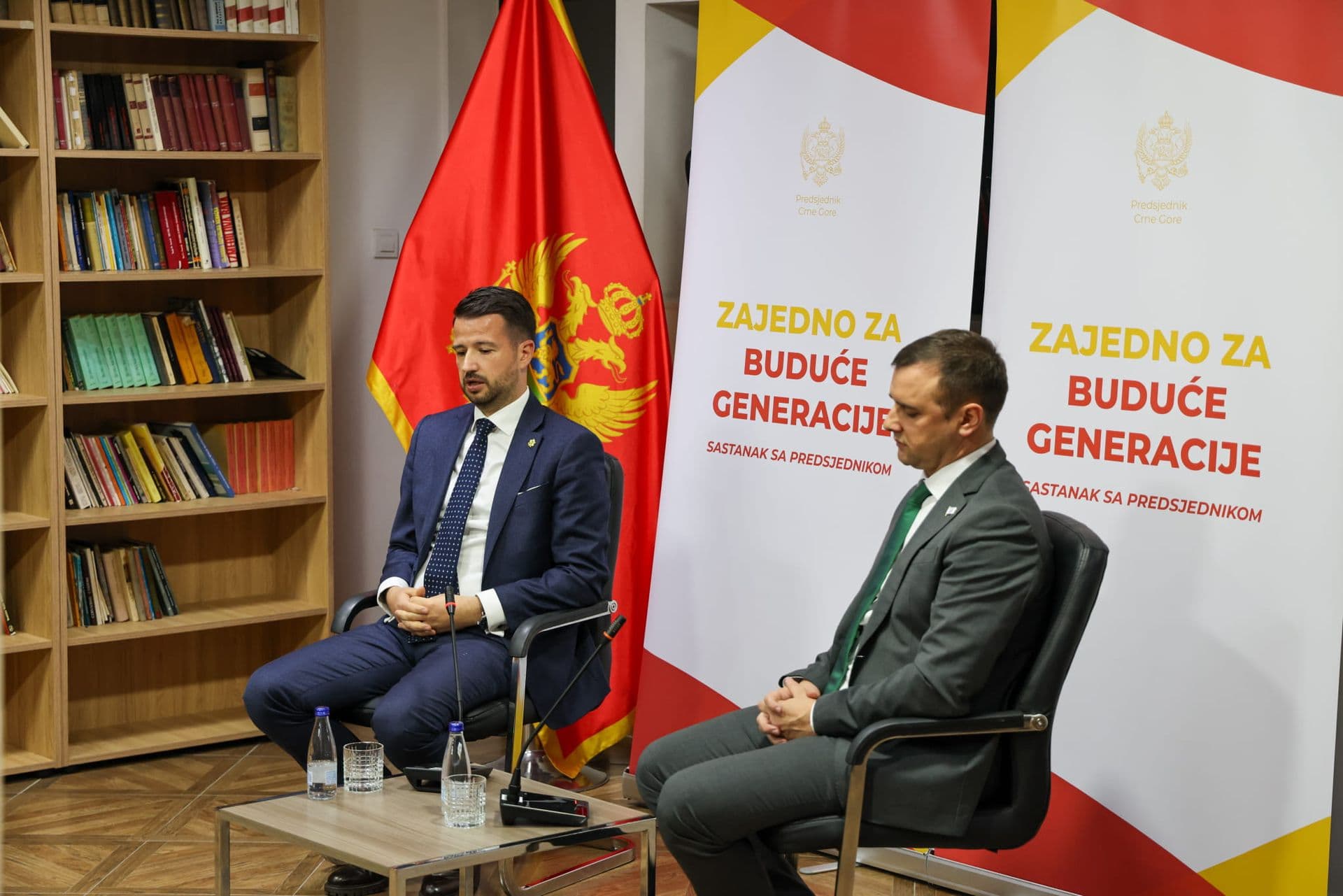
In an effort to foster direct engagement with the public, the President of Montenegro, Jakov Milatović, held a working meeting in Danilovgrad on the evening of March 15, 2024. Accompanied by the municipality’s president, Aleksandar Grgurović, Milatović emphasized the importance of listening to citizens’ concerns rather than delivering formal political speeches. This initiative aims to address issues of injustice and identify areas where government action can improve local conditions.
Milatović stated, “Montenegro does not need politicians confined to offices, but rather open discussions with citizens in every municipality and village.” His approach highlights a commitment to understanding the needs of Montenegrins and working collaboratively to find solutions for both Danilovgrad and the nation as a whole.
Political Reform and Citizen Engagement
During the meeting, Milatović discussed the necessity for reform within the political system, noting that the current model fails to meet citizens’ expectations. He pointed out that many Montenegrins do not have full freedom of choice in elections, as they do not directly vote for municipal presidents. The reliance on closed party lists creates a disconnect between politicians and the populace.
To address this, Milatović proposed an electoral reform that would introduce open lists, allowing voters to select individual candidates rather than just party affiliations. He believes this shift would enhance democratic accountability and better align politicians with the needs of the community. Milatović announced that the issue of political reform would be put to a referendum, enabling citizens to voice their opinions directly.
Economic Focus and Sustainable Growth
In addition to political reform, Milatović underscored the need to refocus governmental policies on economic issues. He remarked on the challenges facing Montenegro’s economy, including low growth rates and high inflation. “Instead of experiencing economic growth of four or five percent, we are grappling with a combination of low growth and high prices,” he noted.
He urged for a serious discussion regarding a new sustainable model of growth and development, emphasizing the importance of enhancing the competitiveness of the Montenegrin economy. Milatović highlighted the decline in tourism revenues and the need for improved investment structures, advocating for an economy rooted in labor, knowledge, production, and export.
The president also emphasized the critical importance of increasing the agricultural and capital budget to ensure that rural communities and agriculture are seen as genuine opportunities for development, rather than mere talking points in political discourse. He stated, “The only way to retain people in rural areas is to increase funding for agriculture, enhance subsidies, and ensure that this financial support reaches the producers.”
Milatović concluded by stressing that state-owned enterprises must be reformed to become engines of development rather than tools for servicing political interests. He called for good governance in these entities to be embedded in the national framework, potentially incorporating it into the Constitution of Montenegro.
As Montenegro moves toward European integration, Milatović reiterated the need to accelerate reforms to realize the benefits of EU membership, particularly in terms of economic stability, investment opportunities, and job creation.
By fostering dialogue in communities like Danilovgrad, Milatović aspires to set an example of how economic reforms, along with support for agriculture and tourism, can lead to improved daily lives for citizens. He concluded that such discussions are vital to define priorities and restore accountability in politics, ensuring it aligns with the real concerns of the population.