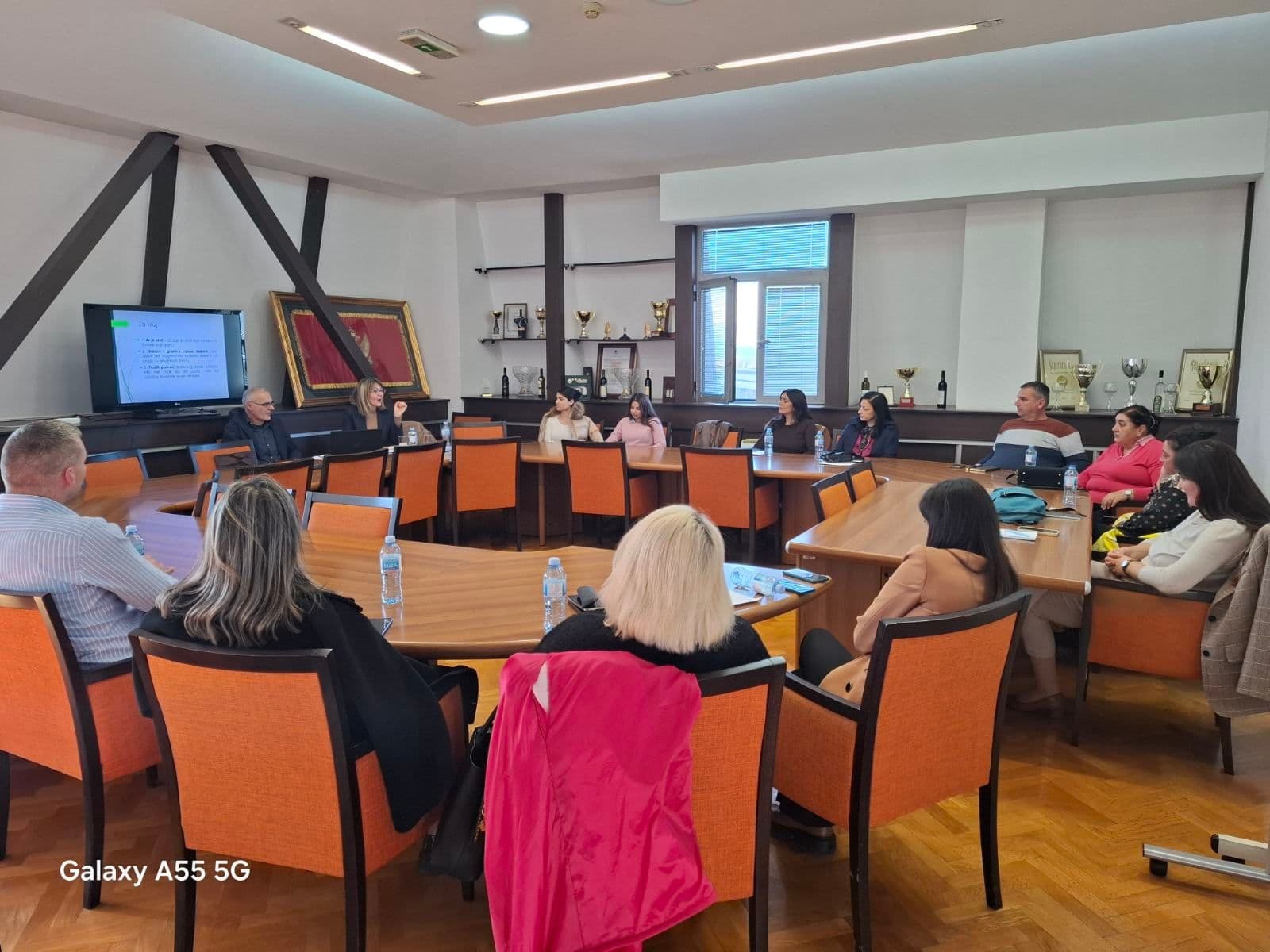
A significant workshop addressing the integration of artificial intelligence (AI) in workplace health and safety was held recently in Montenegro. This event, titled “Workplace Education – AI in the Context of Health and Safety at Work and Work-Life Balance,” took place at the facilities of Plantaze AD. It is part of the Action Plan for 2025 and aligns with the 2022–2027 Strategy for Improving Health and Safety in the workplace, as well as a collaborative agreement between the Ministry of Labor, Employment and Social Dialogue and the Federation of Trade Unions of Montenegro (SSCG).
The primary aim of this workshop was to proactively engage employees on contemporary issues surrounding workplace safety and health. Participants were encouraged to communicate their needs and share their perceptions regarding these topics. A critical focus was placed on the less visible aspects of workplace safety, particularly mental health, chronic stress, and burnout syndrome. These issues have become increasingly prevalent in modern work environments, especially with the growing reliance on digital tools and AI, which blur the lines between professional and personal lives.
During the workshop, speakers emphasized the importance of maintaining a healthy work-life balance. It was noted that the constant use of AI and digital technologies could elevate the risks of exhaustion and deteriorating health. The discussions highlighted that social dialogue is essential for mitigating the negative impacts of algorithmic management, safeguarding health and safety at work, preventing discrimination, and establishing clear criteria for the collection and use of personal data. This approach aims to reduce excessive employee surveillance and ensure respect for individual privacy.
Danka Ćetković, a psychologist and HR consultant, addressed the topic of “AI at Work – Ally or Threat to Health and Work-Life Balance?” She underscored both the potential benefits and risks that AI introduces into contemporary work environments. Her insights provided a balanced view of how technology can be harnessed effectively while also presenting challenges that require careful management.
In addition, Vladimir Krsmanović, the activity coordinator for the SSCG, reflected on the role of AI in the context of workplace health and safety. He emphasized the necessity of incorporating additional elements into collective bargaining practices, given the increasing integration of digital technologies and algorithmic management in work processes.
The workshop served as a vital platform for employees and employers to address the challenges posed by the evolving workplace landscape. By focusing on education and open communication, the initiative aims to foster a healthier work environment that prioritizes both productivity and well-being.
As the dialogue around workplace health continues to evolve, this workshop represents a proactive step towards addressing the complex interplay between technology and employee welfare in Montenegro.