With the 2026 Formula 1 season approaching, the sport is set to undergo a significant transformation not only in car design but also in its terminology. In collaboration with the FIA, teams, fans, and engineers, Formula 1 has introduced a new lexicon aimed at enhancing communication and clarity surrounding the racing experience. This initiative emphasizes the driver’s role in racing, providing them with greater responsibility and control on the track.
Among the most notable changes is the introduction of Overtake Mode, which will replace the Drag Reduction System (DRS) that has been a staple for overtaking since 2011. When a driver finds themselves within one second of the car ahead, they can activate this mode to access additional power. Unlike DRS, which was restricted to designated zones, Overtake Mode allows for strategic deployment throughout a lap, increasing the tactical nature of overtaking.
Another key addition is Boost Mode, an energy deployment tool that draws from the Energy Recovery System (ERS). When activated, drivers can utilize maximum combined power from both the engine and the battery, allowing for offensive maneuvers or defensive strategies. This feature enhances the intensity of wheel-to-wheel battles, placing more control in the drivers’ hands.
The new regulations also introduce Active Aero, which replaces traditional static wing setups with adjustable elements on both the front and rear wings. Drivers can switch between Corner Mode and Straight Mode in high-speed sections, optimizing downforce and drag as needed.
In addition to these terms, the process of energy recovery has been redefined. Drivers will now need to be more conscious of their energy management, as they can recover energy not only during braking but also while lifting off the throttle at the end of straights and through corners.
Key Changes for 2026 Cars
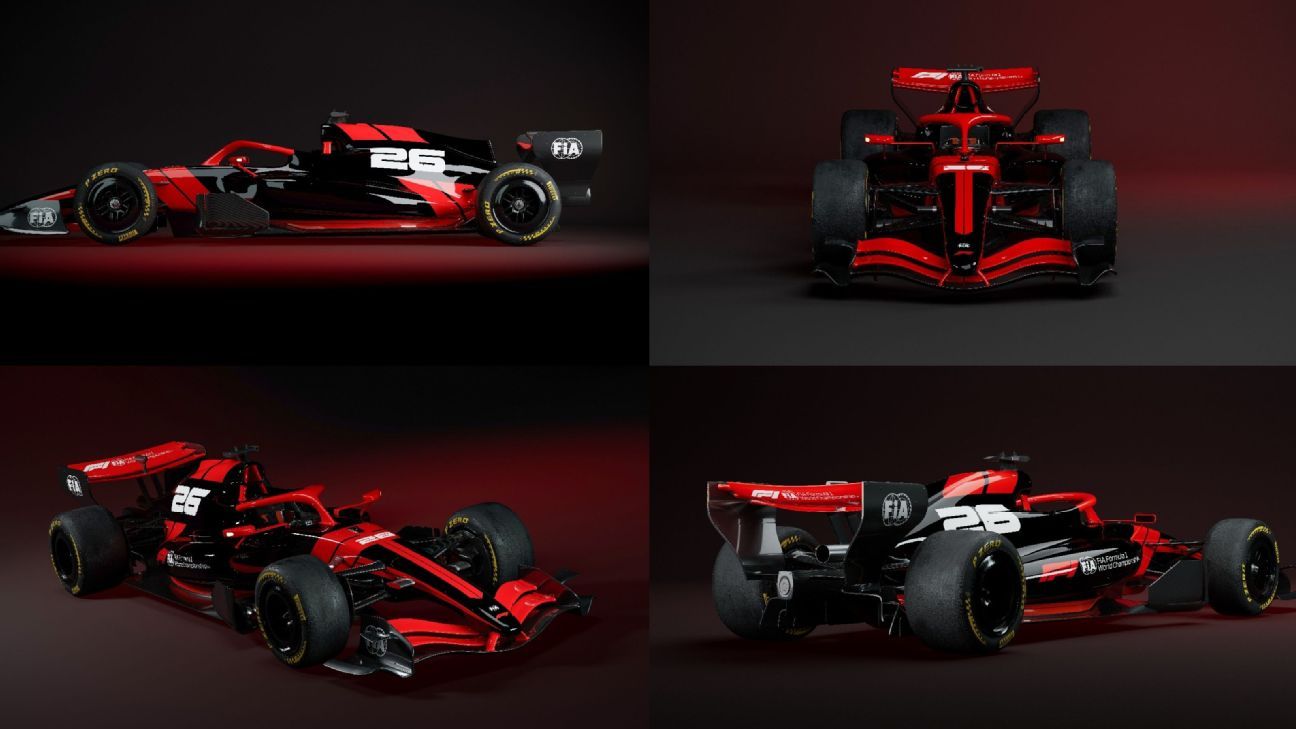
The cars themselves will see significant alterations in 2026. There will be a reduction in wheelbase by 200mm, a decrease in overall width by 100mm, and a narrower floor by 150mm. The minimum weight of the cars will also drop by 30kg, bringing it down to 770kg. These changes aim to enhance responsiveness and agility, making the vehicles more challenging to drive at the limit and emphasizing driver skill.
The elimination of ground-effect tunnels will reduce overall downforce by approximately 15-30%, while drag will decrease by a substantial 40%. This combination is expected to facilitate closer racing while maintaining high straight-line speeds. The traditional DRS will be phased out, replaced by fully movable front and rear wings that can be adjusted for varying downforce requirements.
In terms of tyres, the existing 18-inch wheels will remain, but the width will be reduced — 25mm narrower at the front and 30mm at the rear. This change aims to lower drag and reduce unsprung weight, contributing to improved performance.
Looking Ahead to the Season
The opening race of the 2026 season is scheduled for March 6, 2026, but preparations will begin much earlier. The “launch season” kicks off with the unveiling of the new Red Bull Racing design on January 15, 2026. Following that, teams will participate in a closed preseason test from January 26-30 in Barcelona. Traditional televised preseason tests are set to take place in Bahrain on February 11-13 and February 18-20.
As Formula 1 transitions into this new era, fans can look forward to an exciting mix of innovative technology and refined terminology that promises to make the racing experience even more engaging.