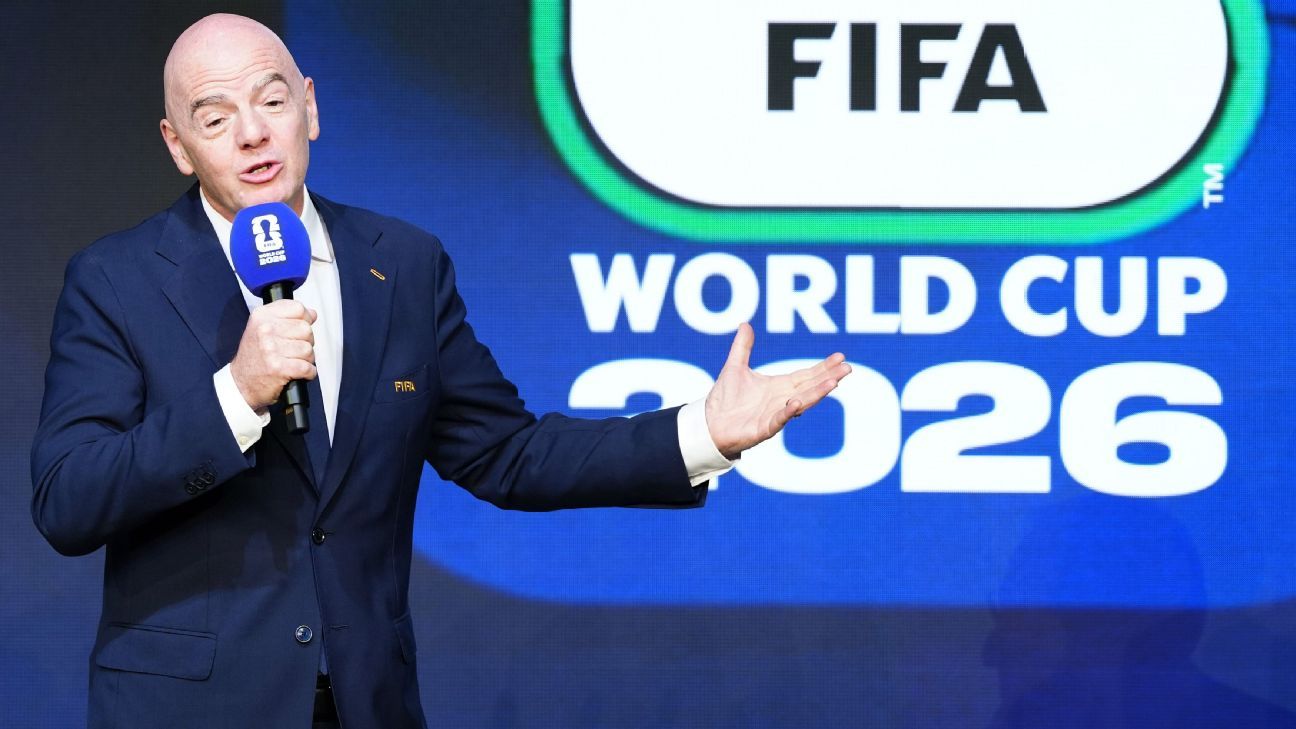
FIFA announced on Friday that it received an impressive 5 million ticket requests within the first 24 hours of the third phase of ticket sales for the 2026 FIFA World Cup. This surge in interest comes despite significant backlash from supporter groups regarding the pricing structure for the tournament.
The governing body for world soccer indicated that demand for tickets has reached “extraordinary levels,” with fans able to request tickets for specific matchups following the tournament draw held last week in the United States, Canada, and Mexico. FIFA highlighted the excitement of supporters from over 200 countries eager to attend the first World Cup featuring 48 teams.
Pricing for the event has drawn considerable criticism. According to a list released by the German Football Association, ticket prices for varying group stage games range from $180 to $700. The final match tickets are priced significantly higher, with the lowest ticket costing $4,185 and the highest reaching $8,680. Fans who wish to attend every match leading up to the final could find themselves spending over $7,000, as information shared by the English Football Association with the England Supporters Travel Club (ESTC) revealed.
The organization Football Supporters Europe (FSE) criticized the current pricing as “extortionate” and urged FIFA to halt ticket sales through national associations until a fair solution is reached that respects the cultural significance of the World Cup. In a statement, FSE emphasized that the pricing structure represents a “monumental betrayal” of the World Cup’s tradition and disregards the contributions of supporters.
When the United States last hosted the World Cup in 1994, ticket prices varied from $25 to $475. In contrast, the last tournament in Qatar in 2022 saw prices ranging from approximately $70 to $1,600. This year marks the first time FIFA has adopted dynamic pricing for the World Cup, a strategy previously used during the Club World Cup, allowing ticket costs to fluctuate based on demand.
As part of the “random selection draw” that commenced Thursday, fans are now able to select their preferred matches, ticket categories, and the number of tickets they wish to purchase. However, there is no guarantee that they will successfully obtain tickets. The current sales phase will continue until January 13, 2026, with successful applicants notified via email in February and charged automatically.
FIFA noted that the three host countries—United States, Canada, and Mexico—led the demand during this ticket sales phase, with strong interest from other nations in the Americas. Among the most requested matches was the group stage clash on June 27 between Colombia and Germany in Miami. Other high-demand matchups include Brazil versus Mexico in New Jersey, Ecuador against Germany in New Jersey, and Scotland taking on Brazil in Miami.
The strong demand for tickets from Scotland reflects the excitement surrounding the nation’s first World Cup appearance since 1998. However, a Scottish supporters’ group labeled the ticket prices as “disgraceful and disgusting,” urging the Scottish Football Association to convey their concerns to FIFA. The Association of Tartan Army Clubs (ATAC) expressed that the current pricing risks excluding many fans, stating, “FIFA have killed the dream of our young fans.”
The English Football Association is also planning to communicate the dissatisfaction of its supporters to FIFA, according to reports from the Press Association. Nonetheless, there is skepticism regarding the potential for changes to the pricing structure.
FIFA concluded its update by reiterating its commitment as a not-for-profit organization. The revenue generated from the FIFA World Cup is reinvested to promote the growth of football at all levels across the 211 FIFA Member Associations globally.