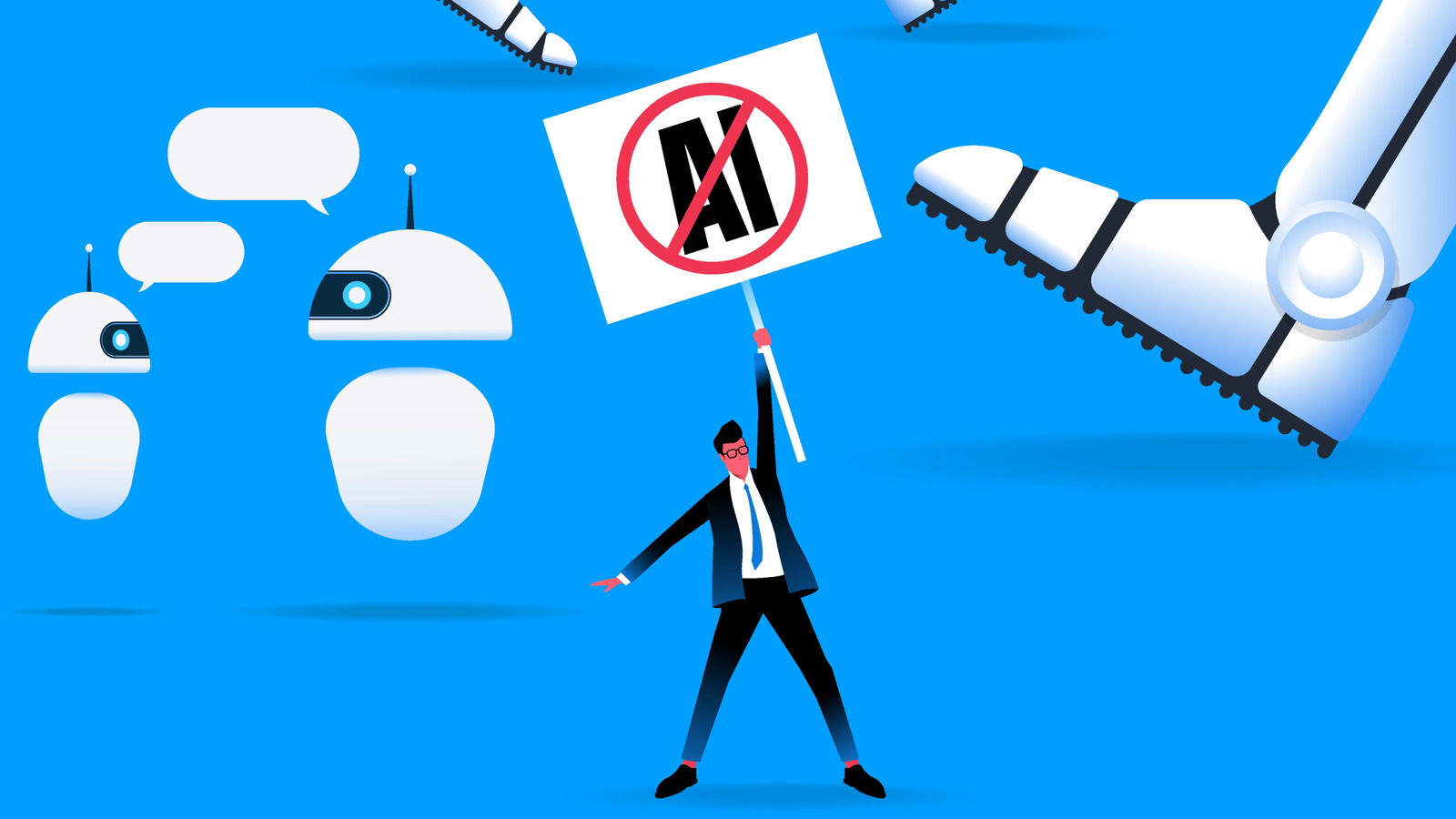
Concerns about artificial intelligence (AI) are mounting among workers intimately involved in the technology’s development. A recent article in The Guardian highlighted the experiences of AI testers who warn against the unchecked use of AI. These individuals, tasked with training AI systems, expressed grave concerns over biases, inadequate training, and unrealistic deadlines. Many have since cautioned their friends and family about the potential dangers of AI and have restricted their children’s exposure to it.
The voices of these AI testers provide a unique perspective. While mainstream discussions often center on the views of high-profile AI experts, the experiences of those who operate behind the scenes are crucial. These workers are often underappreciated, despite being the backbone of AI development. Their accounts reveal a troubling reality: they face overwhelming workloads and unclear instructions while being expected to ensure the reliability of AI outputs.
According to a campaign group known as Pause AI, there is an increasing acknowledgment of the risks associated with AI technologies. The group has compiled a list titled the “AI Probability of Doom,” which ranks the likelihood of severe adverse outcomes from AI systems, based on insights from various experts in the field. Even leaders within the AI industry, such as Sam Altman, CEO of OpenAI, have voiced caution about over-reliance on AI. In a podcast from June 2025, he noted the paradox of public trust in AI systems like ChatGPT, stating, “People have a very high degree of trust in ChatGPT, which is interesting because AI hallucinates. It should be the tech that you don’t trust that much.”
The testimonies from AI workers are alarming. Many described the overwhelming pressure to deliver rapid results with minimal guidance. One worker remarked, “We’re expected to help make the model better, yet we’re often given vague or incomplete instructions, minimal training, and unrealistic time limits to complete tasks.” This sentiment underscores a broader issue in the AI industry: the balance between speed and quality.
The process of training a large language model (LLM) involves two main stages: language modeling and fine-tuning. During language modeling, the AI is exposed to vast amounts of data, including websites, books, and various text sources, enabling it to learn language patterns. The fine-tuning stage is where human testers, like those interviewed by The Guardian, become involved. They review and rank the AI’s responses to enhance safety and usability.
Despite extensive testing, AI systems still produce errors. A recent investigation by The Guardian found that Google’s AI incorrectly provided medical advice regarding liver function tests, potentially misleading patients about serious health conditions. Following the report, Google updated its AI to rectify these inaccuracies and removed the problematic overview from circulation.
The challenges highlighted by these AI testers are significant and ongoing. While their contributions are vital to improving AI systems, the risks they identify cannot be overlooked. As AI continues to evolve and integrate into various aspects of life, discussions about its limitations and the human labor required to shape it must remain at the forefront.
The growing skepticism among AI workers reflects a broader concern regarding the technology’s implications for society. As they continue to navigate the complexities of AI training, the need for responsible practices in AI development has never been more pressing.