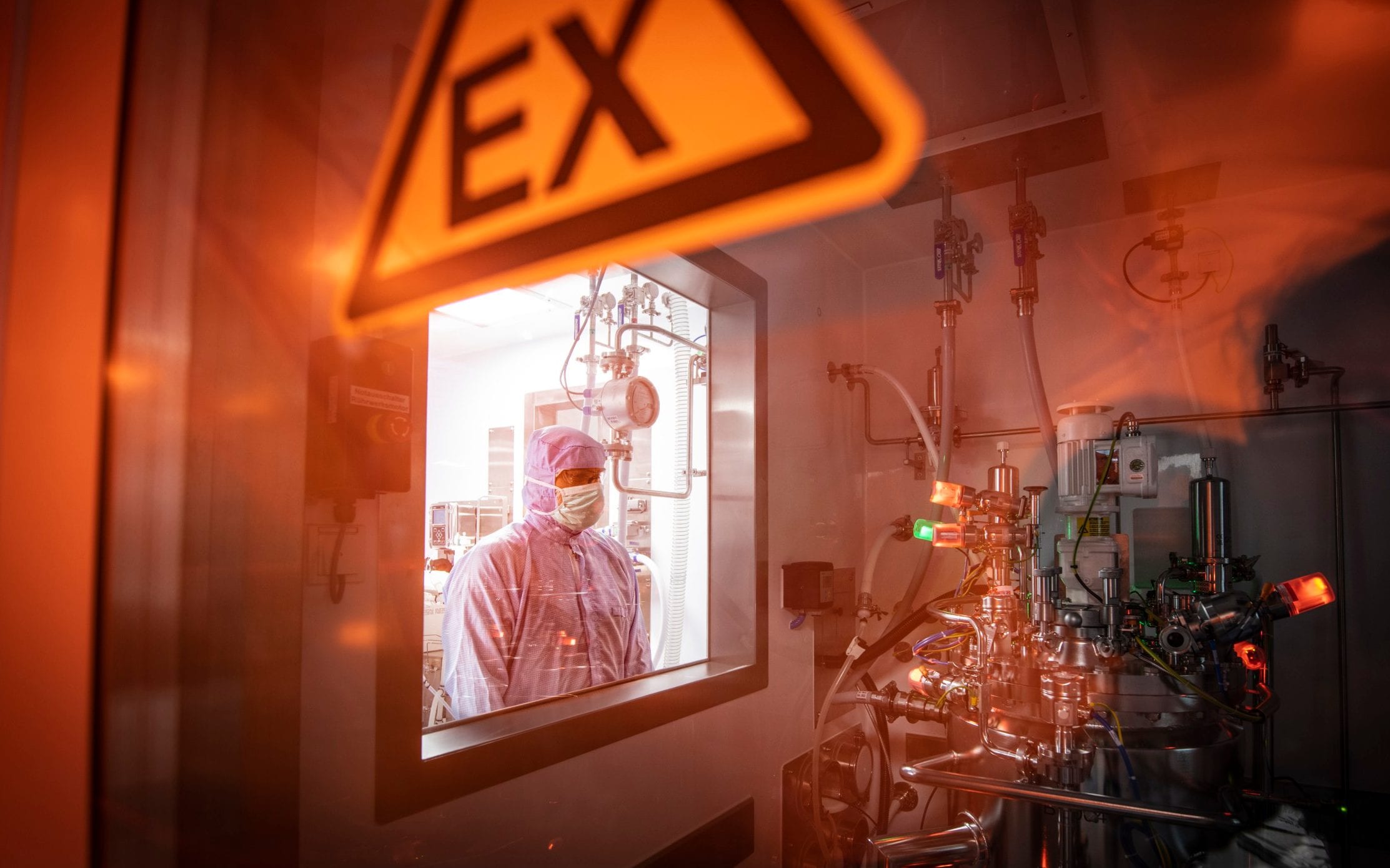
The urgency to prepare for future pandemics has intensified, with experts emphasizing that investing in science is critical to global health security. The World Health Organization (WHO) and other health authorities have recognized that emerging infectious diseases pose a significant threat to societies worldwide. Failure to act decisively could have catastrophic consequences.
According to a report from the Global Health Security Agenda, the world needs to allocate at least $1 billion annually towards pandemic preparedness. This funding would enhance research, improve health systems, and ensure rapid vaccine development. The lessons learned from the COVID-19 pandemic underline the necessity of such investments.
Strengthening Global Health Initiatives
The WHO has called for a collaborative international effort to strengthen health systems and improve response times to emerging threats. In a statement, the organization stressed that preparedness is not merely a national issue but a collective global responsibility. “To combat future pandemics, we must harness the full potential of scientific research and innovation,” said Dr. Tedros Adhanom Ghebreyesus, Director-General of the WHO.
By enhancing global health initiatives, countries can better coordinate responses during health crises. This would involve sharing data, resources, and strategies to mitigate the impact of infectious diseases. The United Nations has also outlined the importance of a unified approach, urging member states to prioritize health investments.
The Role of Research and Development
Investment in research and development is crucial for creating effective vaccines and treatments. Experts argue that the rapid development of COVID-19 vaccines should serve as a model for future initiatives. The collaboration between governments, pharmaceutical companies, and research institutions proved to be vital in the fight against the virus.
As nations look ahead, the focus must be on developing technologies that can detect and respond to outbreaks swiftly. This includes not only vaccines but also diagnostic tools and therapeutic options. The key lies in establishing a robust framework that encourages innovation while ensuring equitable access to new medical solutions.
In conclusion, addressing future pandemics requires a comprehensive strategy centered on scientific investment. The global community must recognize that preparedness is essential for safeguarding public health. By committing to significant funding and fostering international cooperation, we can better equip ourselves to face the inevitable challenges that lie ahead.