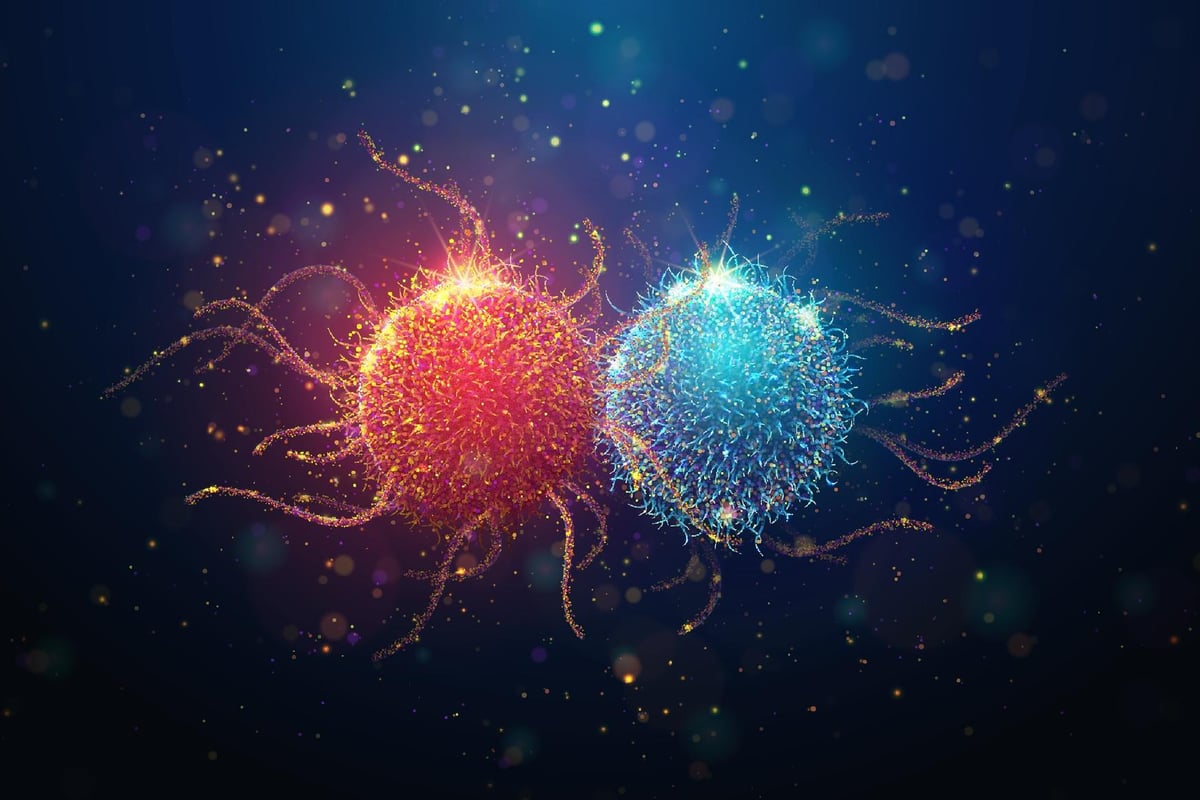
Researchers at the University of Glasgow have made significant strides in cancer treatment by discovering a method to rejuvenate “exhausted” immune cells. This breakthrough could enhance the body’s ability to fight cancer more effectively, potentially transforming treatment approaches for patients.
The research, published in Cancer Research UK, focuses on a novel technique that revitalizes T-cells, which play a crucial role in the immune response against tumors. Over time, these cells can become less effective, a phenomenon described as “exhaustion.” The team, led by Dr. Laura McGowan, has developed a way to invigorate these cells, enabling them to respond more robustly to cancer.
Dr. McGowan emphasized the importance of this development in the ongoing fight against cancer. “By supercharging these exhausted cells, we have the potential to significantly improve patient outcomes,” she stated. The research team utilized advanced techniques to identify factors that lead to T-cell exhaustion and developed strategies to reverse this process.
Potential Impact on Cancer Treatments
This discovery comes at a critical time, as cancer remains one of the leading causes of death globally. According to the World Health Organization, in 2020, there were approximately 10 million cancer-related deaths worldwide. Enhancing the efficacy of immune cells could provide a new frontier in cancer therapies, particularly in immunotherapy, which has gained traction in recent years.
The findings from Glasgow are particularly relevant as they align with a broader trend in oncology that seeks to harness the body’s immune system to combat cancer. Current therapies can often lead to significant side effects and may not be universally effective. The ability to boost T-cell function could result in more personalized and effective treatment options.
Dr. McGowan and her colleagues are now working on the next steps, which include preclinical trials to assess the safety and effectiveness of their approach. Their goal is to pave the way for clinical applications that could benefit patients facing various types of cancers.
Future Research Directions
Further investigations will focus on understanding the precise mechanisms that cause T-cell exhaustion and how to effectively reverse it. The research team is also exploring the potential for combining this method with existing treatments to enhance overall effectiveness.
The implications of this research extend beyond cancer treatment. The ability to rejuvenate immune cells could have applications in a range of diseases where the immune system is compromised. As researchers continue to explore these possibilities, the findings from Glasgow may represent a significant advancement in medical science.
With ongoing support and funding, the University of Glasgow aims to collaborate with various healthcare institutions to bring this promising research to fruition. The potential to improve cancer treatment outcomes could not only change lives but also reshape the landscape of oncology as we know it.
As the study progresses, the scientific community watches with interest, hopeful that this breakthrough will lead to tangible benefits for patients battling cancer in the near future.