The turn of the millennium was once envisioned as a time of transformation, steeped in both hope and apprehension. This period, marked by cultural references from films like 2001: A Space Odyssey and television shows such as Space: 1999, set the stage for what many expected to be a momentous new era. However, as the year 2000 approached, the anticipation evolved into a blend of paranoia and skepticism, largely shaped by emerging doomsday cults and the infamous Y2K phenomenon.
By the mid-1990s, as the new millennium loomed closer, various apocalyptic groups gained notoriety. The Branch Davidians faced a tragic end during a siege in Waco, Texas, resulting in the deaths of 82 members and four federal agents in 1993. Further tragedies unfolded with the Order of the Solar Temple, which led to nearly 100 deaths in a series of suicides and murders between 1994 and 1997. The Aum Shinrikyo cult carried out deadly sarin gas attacks in Japan, and in 1997, the Heaven’s Gate group took their own lives in a mass suicide event. These incidents contributed to a growing fear among law enforcement about the rise of violent outbreaks.
Meanwhile, mainstream religious groups largely dismissed the notion of an impending apocalypse. George Carey, the Archbishop of Canterbury, even remarked on the Church’s potential decline, suggesting a need for shorter services to attract more attendees. The most pressing fear, however, emerged from the world of technology. The Y2K bug became a focal point of concern, as it threatened to disrupt global systems reliant on date-sensitive programming.
The looming change from 1999 to 2000 sparked fears that computers would malfunction, potentially causing chaos in hospitals, banks, and transportation systems. Predictions ranged from minor inconveniences to catastrophic nuclear incidents. Ultimately, extensive preparations and an estimated expenditure of between $300 billion and $500 billion on fixes rendered the anticipated disaster nonexistent. The absence of catastrophe led some to question whether the fears surrounding Y2K were justified.
As the new century dawned, a cultural shift became evident. There was a palpable distrust of experts, with Bernard Jenkin, a Conservative MP, likening Y2K fears to exaggerated warnings surrounding the Brexit referendum. Despite the lack of any impending doom, the cultural significance of the millennium continued to resonate, albeit in a more trivial context. The hype surrounding the year 2000 seemed to diminish the closer it approached, transforming into a mere celebration rather than an epoch-defining moment.
The optimism of the late 1990s now feels distant. The world economy was flourishing, and there was a sense of hope regarding climate change, particularly following the 1997 Kyoto Protocol. The prevailing sentiment suggested a new era of progress rather than impending disaster. British music from the time reflected this optimism, with tracks like Pulp’s “Disco 2000” and Blur’s “End of a Century” characterized by themes of celebration rather than foreboding.
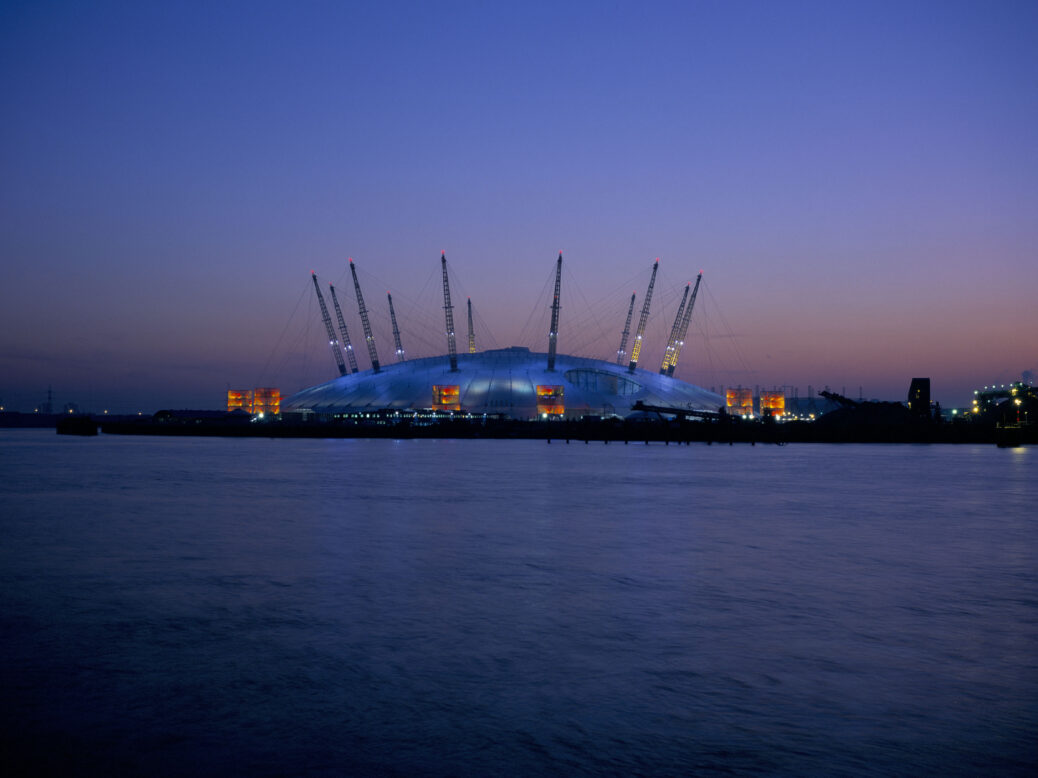
One of the most ambitious projects to mark the millennium was the Millennium Dome in Greenwich, England. Conceived by then-Conservative politician Michael Heseltine, the Dome aimed to symbolize national pride and confidence. Yet, by the time of its inception, political landscapes had shifted, with the Labour Party’s Tony Blair taking the forefront. Blair envisioned the millennium as a catalyst for modernization, albeit with little clarity on the Dome’s purpose.
Despite high expectations, the Dome’s exhibition fell short, attracting only 6.5 million visitors instead of the anticipated 12 to 15 million. Each visitor was subsidized at a cost of £90, turning the attraction into a source of national ridicule. Other projects, such as the Millennium Wheel and the Millennium Footbridge, also faced delays and issues, further highlighting the disorganization surrounding the celebrations.
In hindsight, the millennium became a mere moment in time, as noted by Blair in a 2001 Labour Party conference. The ambitious projects associated with the turn of the century have since undergone rebranding, with the Millennium Dome now known as the O2 Arena and the Millennium Wheel having transitioned to the London Eye.
This trend of renaming landmarks reflects a broader pattern of public sentiment regarding the millennium. Public enthusiasm has waned, leading to a collective amnesia surrounding the promises and expectations of the era. The initial excitement has given way to an air of irony, with events like Cleggmania and the emergence of social movements illustrating the noise and declarations of change that often turn into forgettable moments.
As the 21st century progresses, the legacy of the millennium serves as a cautionary tale. It embodies the tension between aspiration and reality, with grand designs ultimately lacking a coherent vision. Perhaps the sentiment articulated by poet T.S. Eliot resonates: the world may not end with a bang, but with a whimper, a reflection of the disconnect between ambition and execution that continues to define contemporary society.