Environmental campaigners are advocating for enhanced legal protections for chalk streams, some of the world’s rarest freshwater habitats. The majority of these unique ecosystems are located in England, where they play a vital role in biodiversity and local enjoyment. According to the London Wildlife Trust, current legal safeguards are insufficient, prompting a call for their inclusion in the National Planning Policy Framework, which is open for consultation until March 10, 2024.
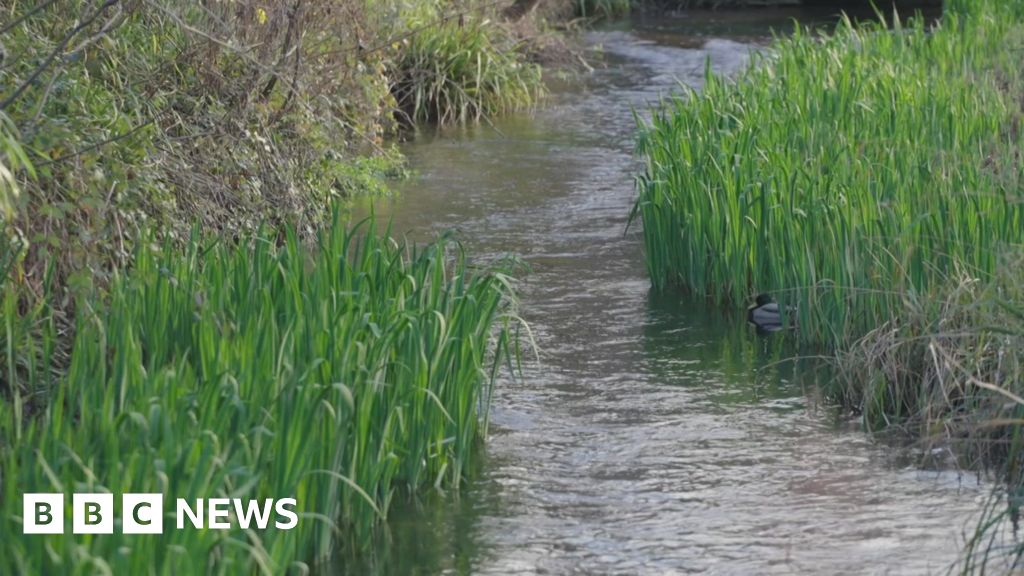
Chalk streams originate from springs in porous chalk bedrock, which effectively filters water, resulting in crystal-clear streams with gravelly bottoms. There are only approximately 220 of these streams worldwide, with most situated in southern England. A notable example is the River Wandle, which flows from chalky springs in Carshalton Ponds, located in south-east London.
Richard Barnes from the London Wildlife Trust emphasized the global significance of these streams, stating, “They’re special on a world stage; 85% of chalk streams are in England.” He highlighted their importance as habitats for wildlife such as kingfishers and grey wagtails and underscored the need for responsible stewardship of these unique resources.
Barnes further expressed the desire for chalk streams to be recognized as irreplaceable habitats in the National Planning Policy Framework, similar to ancient woodlands and limestone pavements. This recognition would provide them with a level of protection that currently eludes them.
In response to these calls, a spokesperson from the Department for Environment, Food and Rural Affairs (Defra) indicated that the government is undertaking a “once-in-a-generation” reform of the water industry. This includes securing £2 billion in investment from water companies over the next five years aimed at restoring chalk streams and improving the abstraction licensing system.
Thames Water, one of the UK’s largest water and wastewater services companies, announced plans to implement what it describes as the “most significant upgrade to the wastewater network in 150 years.” This initiative aims to enhance treatment capacity, reduce storm discharges, and introduce new nutrient-reduction schemes across its service areas.
The company is also collaborating with various partners to address pollution challenges facing the River Wandle. This includes advancing the fish-pass scheme at Goatbridge and developing additional fish-passage and river-restoration projects in Beddington Park.
As the consultation period for the National Planning Policy Framework continues, environmental advocates hope their efforts will lead to stronger protections for these vital ecosystems, ensuring their preservation for future generations.