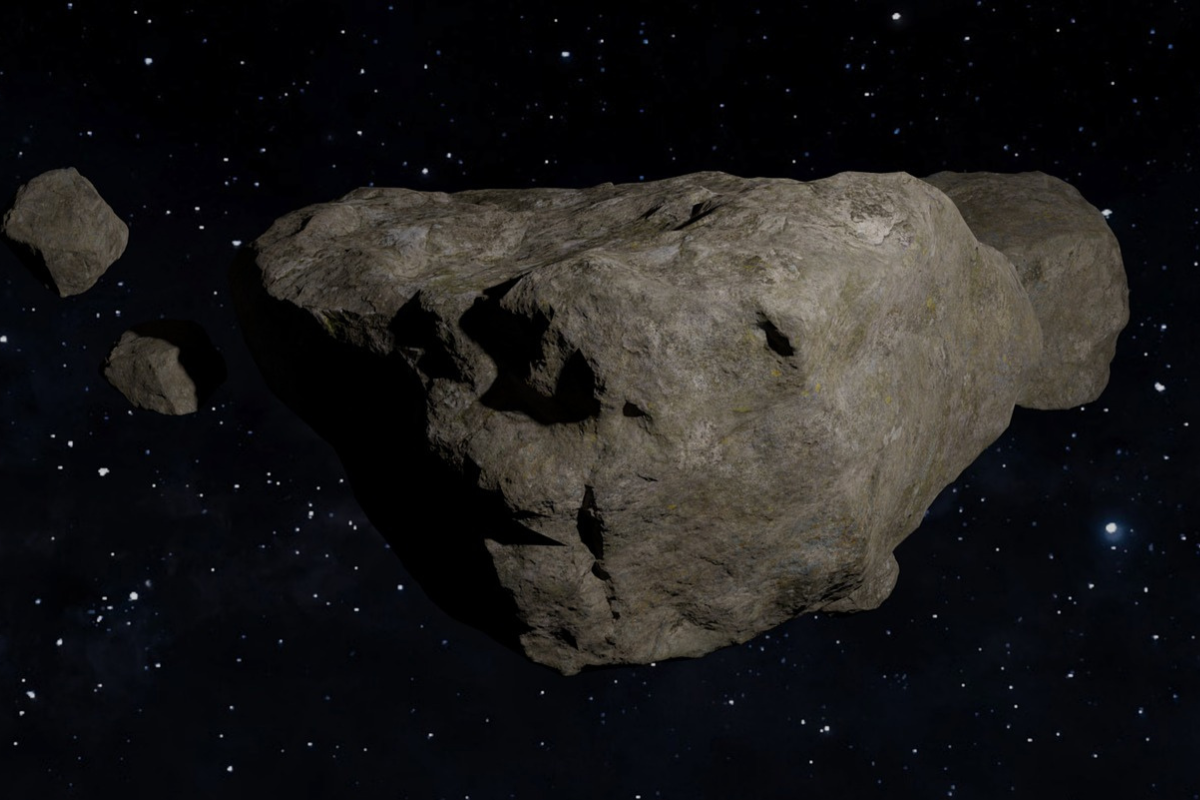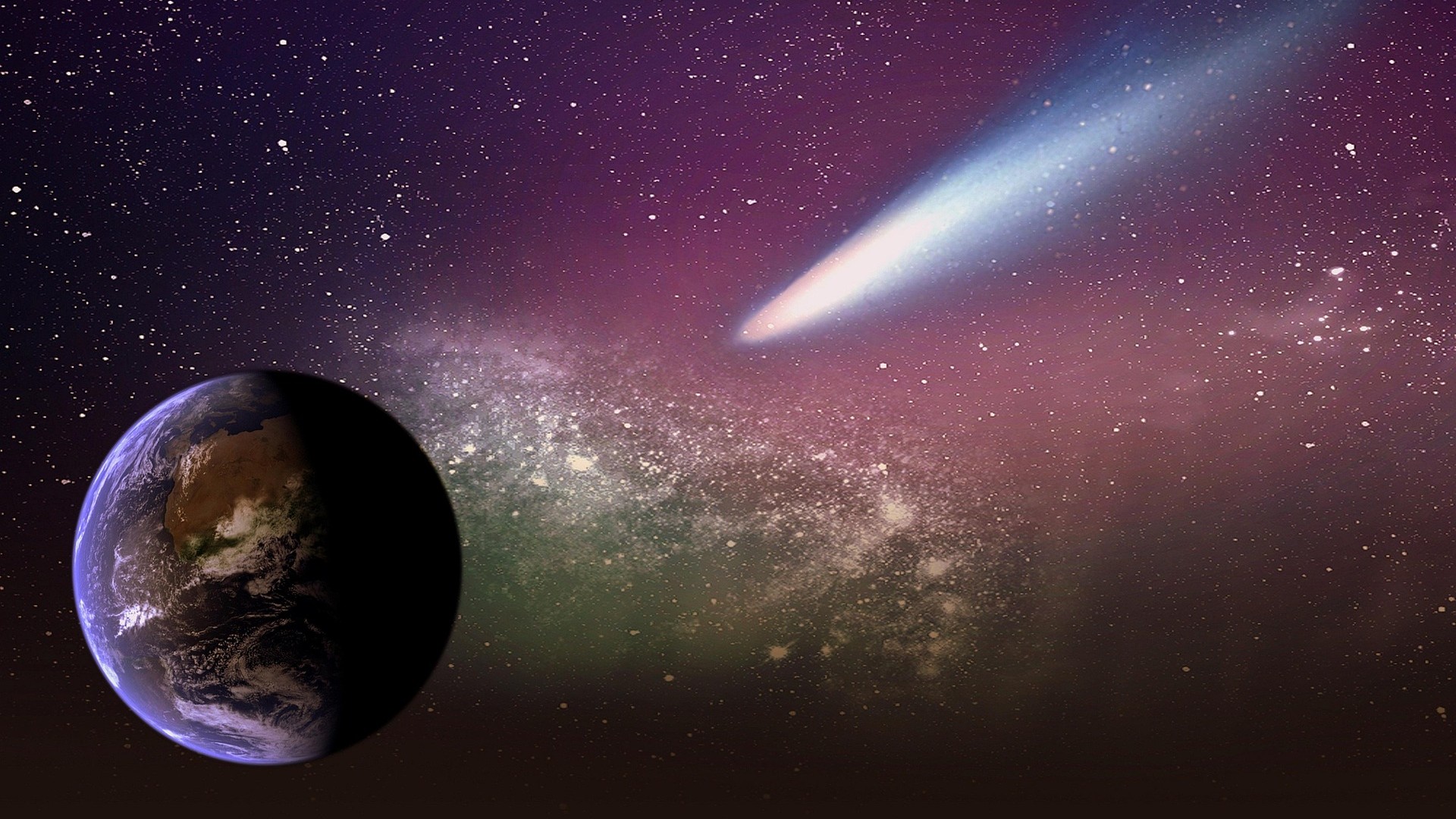
Astronomers are grappling with the true nature of 3I/ATLAS, a mysterious interstellar object that has sparked global debate about its origins. After its recent close approach to Earth, scientists are analyzing its unusual characteristics, including an unexpectedly high nickel content that challenges existing cometary models. While some researchers initially speculated that 3I/ATLAS could be an advanced alien technology, new observations are prompting a shift in perspective.
Avi Loeb, a noted astrophysicist from Harvard University, previously posited that 3I/ATLAS might be a sophisticated probe sent from another civilization. However, following its closest encounter with Earth on March 2024, where it passed at a distance of approximately 170 million miles, Loeb has moderated his stance. In a recent interview on Elizabeth Vargas Reports, he stated, “So far, so good,” acknowledging the lack of any overtly artificial behavior from the object. He commented that 3I/ATLAS did not display any unusual activity during its approach.
Despite the lack of evidence suggesting it is an artificial construct, Loeb remains intrigued by certain aspects of the object. One notable feature is a jet of material directed toward the sun, which defies conventional explanations for comets. Loeb emphasized the importance of continuing to study the object before it leaves our solar system in the coming months.
The conversation surrounding 3I/ATLAS has expanded to include theoretical physicist Michio Kaku, who offers a different perspective. Kaku suggests that the object’s age may hold the key to understanding its peculiarities. He estimates that 3I/ATLAS could be around 7 billion years old, significantly older than most comets, which typically range from 3 to 4 billion years. Kaku explained that this ancient relic has had ample time to gather diverse gases and elements throughout its extensive journey across the cosmos.
“This is a very old object,” Kaku stated in an interview with NewsNation earlier this year. “Over 7 billion years, it’s had plenty of time to accumulate different gases, different elements, different kinds of environments that it goes into.” This extensive history may account for its unusual chemical composition, including the high nickel content that has puzzled scientists.
As 3I/ATLAS continues its trajectory away from the sun, researchers are racing against time to gather as much data as possible. The scientific community remains eager to unravel the mysteries surrounding this ancient traveler. While the notion of an alien probe may be fading, interest in the object itself remains robust.
The ongoing study of 3I/ATLAS serves as a reminder of humanity’s limited understanding of the universe. Whether it is a natural phenomenon or a unique anomaly, its passage through our solar system has raised significant questions about the nature of interstellar objects and the vastness of space.
As the interstellar visitor departs, it leaves behind a legacy of inquiry, challenging scientists to expand their understanding of our cosmic neighborhood. The journey of 3I/ATLAS may not reveal any definitive answers, but it underscores the importance of continued exploration and curiosity in the face of the unknown.