The United States executed a military operation in Venezuela on January 3, 2026, resulting in the capture of President Nicolás Maduro and his wife, Cilia Flores. This operation has led to heightened diplomatic tensions, particularly regarding an ambiguous social media post referencing Greenland that has sparked speculation about future US actions in the region.
In the early hours of January 3, elite US forces conducted a large-scale strike targeting Venezuelan military installations. The operation culminated in the detention of Maduro and Flores, who were subsequently flown to New York to face federal charges. These charges include serious allegations such as drug trafficking and narco-terrorism, with US law enforcement unsealing indictments against them and five others. The indictments accuse Maduro of conspiracy to distribute narcotics and maintaining connections with groups labeled as terrorist organizations by the US government.
Following the operation, aerial bombardments and helicopter insertions were reported across the Venezuelan capital, Caracas. Major military facilities, including Fort Tiuna and La Carlota airbase, were struck, with local media documenting fire and smoke rising from numerous sites. After being detained, Maduro and Flores were taken aboard the USS Iwo Jima before arriving at New York’s Stewart Airport for judicial proceedings.
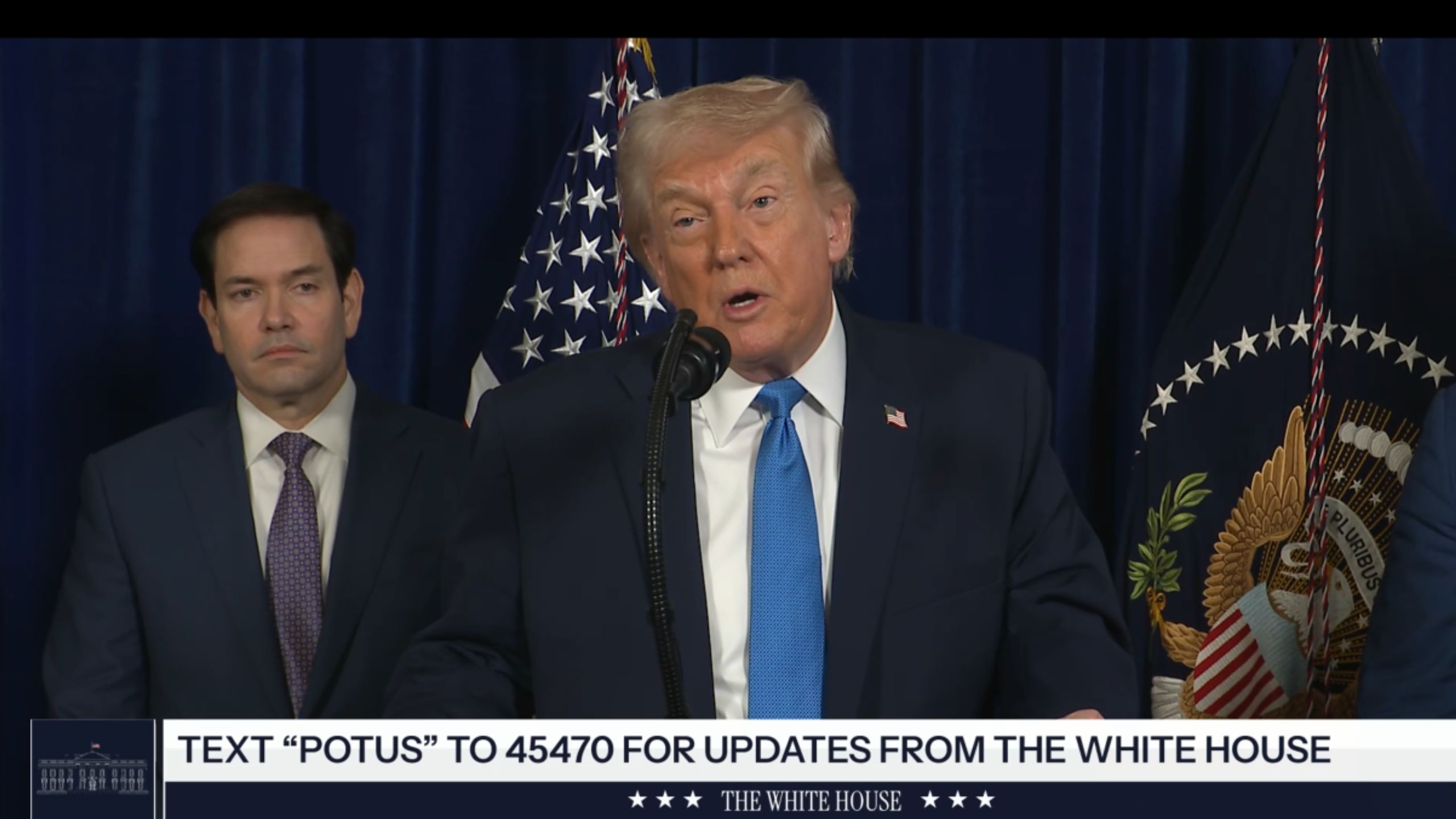
During a press briefing, President Donald Trump announced that the US would assume temporary governance of Venezuela until a “safe, proper and judicious transition” of authority could occur. This statement indicates a significant shift in US foreign policy in Latin America, with implications for regional stability and governance.
Greenland Speculation and Diplomatic Reaction
On the same day as the Venezuela operation, a post by Katie Miller, wife of senior White House adviser Stephen Miller, drew attention for its cryptic message. The post featured an image of Greenland superimposed with the US flag and the word “SOON.” This ambiguous reference has generated considerable speculation regarding US interest in Greenland, which is an autonomous territory of Denmark and a member of the North Atlantic Treaty Organisation (NATO).
Denmark’s ambassador to the United States responded promptly, emphasizing the importance of respecting the territorial integrity of Denmark, including Greenland. The ambassador’s statement highlighted the close alliance between the US and Denmark, asserting that US and Danish security interests are aligned. The absence of any official US announcement regarding plans to annex or militarily occupy Greenland underscores the speculative nature of the post.
While discussions about Greenland’s strategic significance have persisted in political circles, no official actions or documented policies indicate imminent US plans for the territory. The speculation surrounding the “SOON” post has increased diplomatic sensitivity in US–Denmark relations and raised questions about NATO unity and cooperation in regional security.
Geopolitical Implications of the Venezuelan Operation
Venezuela is home to the world’s largest proven oil reserves, making it a critical player in global energy markets. The US intervention is framed as part of a broader campaign against “narco-terrorism,” targeting Maduro’s alleged collaboration with organized crime groups, including the Cartel of the Suns. The US government designated this organization as a Foreign Terrorist Organisation in November 2025, leading to multiple indictments against Maduro and key officials in his administration.
As Venezuelan forces and civil society navigate this uncertain landscape, global powers are closely observing the developments. Legal and diplomatic discussions concerning the legality of the US operation and its implications for long-term governance in Venezuela are expected to dominate international forums in the coming weeks.
The situation remains fluid, and the unexpected reference to Greenland adds another layer of complexity to an already intricate geopolitical scenario. As the international community watches closely, the unfolding events may reshape understandings of sovereignty and the rules that govern international conflict.