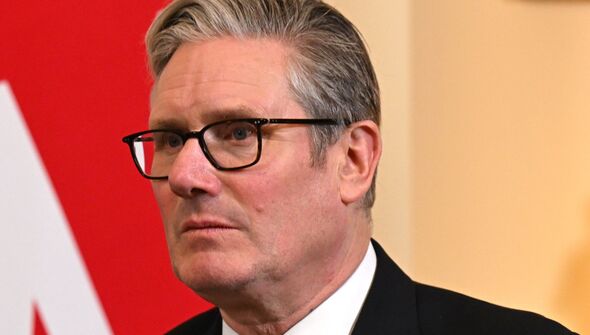
Ukraine’s President Volodymyr Zelensky engaged in crucial diplomatic discussions in Berlin on December 4, 2023, with prominent U.S. and European officials. This visit aimed to forge a comprehensive strategy to address the ongoing war, which has escalated since Russian aggression intensified in February 2022. His meetings followed a lengthy session with former U.S. officials Jared Kushner and Steve Witkoff, who reported noteworthy progress in their discussions. The dialogue also included several European leaders, such as the Prime Ministers of Britain and Finland, as well as the French President and NATO’s Secretary General; however, Russia was notably excluded from these talks.
A major point of contention among Western allies is the potential concessions Ukraine might be asked to make. U.S. proposals have suggested that Ukraine consider ceding some territories that remain under its control, a notion that has met with staunch rejection from both Ukrainian leaders and most European officials, who fear it would merely reward Russian aggression. In a significant shift, Zelensky has indicated a willingness to pause Ukraine’s NATO membership aspirations if the U.S. can provide robust security guarantees against future Russian incursions. European leaders have expressed general support for a solution that allows Ukraine to retain its currently controlled territories while securing long-term protection from the U.S.
Bleak Mood in Ukraine
The atmosphere in Ukraine is increasingly somber. Insights from former CIA executives Ralph Goff and Glenn Corn, who recently returned from a five-day visit to the country, reveal widespread anxiety regarding the political landscape and the pressure to reach a diplomatic solution. During their conversations, many Ukrainians expressed confusion and concern over U.S. expectations for a deal, especially in light of internal political challenges, including the fallout from the Operation Midas corruption scandal.
“They’ve been at war since 2014 and since February 2022, they’ve been in a horrific full-scale war,” Corn noted, emphasizing the struggle to maintain morale amid ongoing conflict.
Ukrainians are feeling a sense of urgency. As one military officer put it, “We just have to get through the winter and survive these dark times.” The disappointment with U.S. support is palpable; while some of it is anticipated, the reality of the ongoing war fosters a pragmatic approach among Ukraine’s allies. They continue to demand essential military supplies, particularly air defense systems, as missile and drone attacks by Russian forces escalate.
A Changing Battlefield
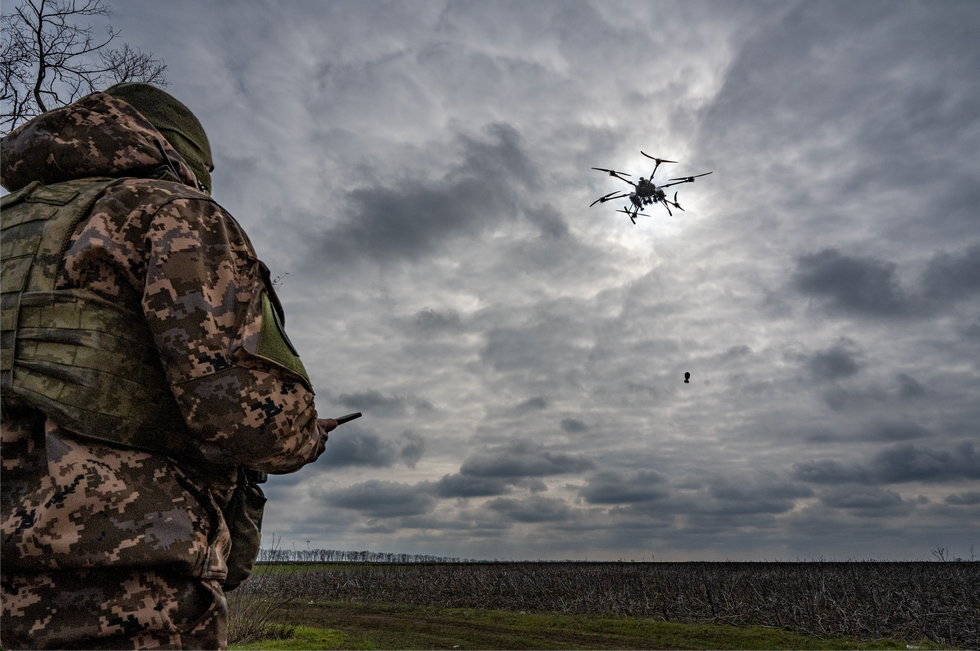
The nature of warfare in Ukraine has transformed dramatically over recent months. According to Goff and Corn, the conflict is increasingly characterized by drone warfare and electronic combat. “Every Ukrainian we spoke with said this war is being fought by drones and artillery,” Corn explained. “The concept of infantry has changed completely.” With intelligence and electronic warfare now at the forefront, traditional ground troop engagements have diminished significantly.
The challenges are compounded by the sheer scale of Russian assaults; Goff highlighted a recent incident where Russia launched close to 1,300 soldiers in a single day. In contrast, Ukraine faces a manpower shortage, struggling to convert new recruits into effective frontline fighters. “They need to conserve their troops and fight in a way that preserves human lives,” Goff noted.
As the war continues, Ukrainian soldiers are adapting strategies, including using points earned from drone missions to procure necessary equipment. This shift toward integrating civilian expertise into military operations is notable, with many leaders in Ukraine’s defense industry lacking formal military backgrounds. “It’s impressive to see how they are innovating,” Corn remarked, stressing the importance of integrating civilian skills into military frameworks.
Despite the ongoing challenges, the resilience of the Ukrainian people shines through. As Goff observed, “The lights are still on,” despite frequent air raids targeting energy infrastructure. Citizens are finding ways to maintain a semblance of normalcy, exemplified by the festive decorations emerging in urban areas ahead of winter.
Future Prospects and Concerns
Looking ahead, both Goff and Corn emphasized the necessity for the United States to reaffirm its commitment to Ukraine. “Ukrainians are in shock at the perception that the U.S. might be stepping back,” Corn stated. They believe that the support from the U.S. is crucial for Ukraine’s long-term security and stability as negotiations continue.
Goff expressed hope that the Ukrainians would eventually be able to negotiate a deal that reflects their needs. “They will come to the table if there is a fair deal,” he said, emphasizing that any settlement must not reward Russian aggression.
Moreover, the recent resignation of Andriy Yermak, President Zelensky’s chief advisor, amidst corruption allegations, highlights ongoing internal challenges. Despite these issues, Goff noted that Ukraine is actively working to combat corruption, which many citizens now recognize as a significant concern, sometimes even surpassing war-related anxieties.
In conclusion, as winter approaches, Ukraine finds itself at a pivotal juncture. The urgency for decisive international support, particularly from the United States, is palpable, while the resilience of the Ukrainian spirit endures against the backdrop of complex geopolitical dynamics.