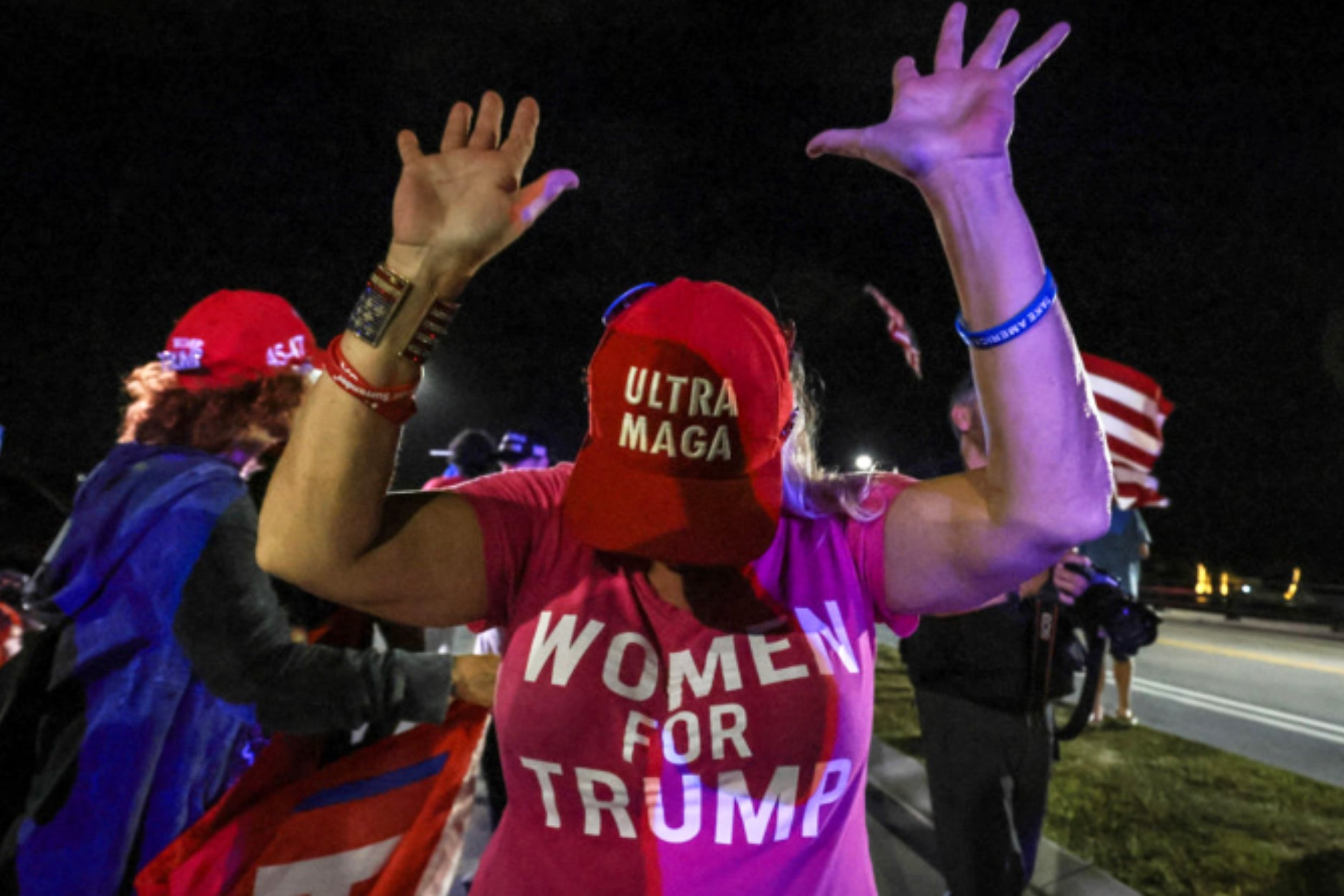
In a recent examination of voter sentiment, supporters of former President Donald Trump articulated a range of issues they assert were not part of their voting decisions during the 2020 Presidential Election. The insights, drawn from discussions and surveys, highlight a disconnect between the candidates’ platforms and the motivations of voters who backed Trump.
Many Trump supporters claim they did not vote for the controversies that emerged during his administration, particularly the events surrounding the January 6, 2021 Capitol riot. While some voters expressed frustration over the way the election was contested, they emphasized that their support stemmed more from economic policies and conservative values than from any specific actions taken in the political arena.
Key Issues Raised by Supporters
Among the claims made by Trump supporters, issues such as the handling of the COVID-19 pandemic and immigration policies were at the forefront. Many voters stated they did not back Trump due to his administration’s response to the pandemic, which they felt was inadequate. They also distanced themselves from the divisive rhetoric that often characterized Trump’s speeches and social media posts.
Additionally, supporters highlighted their disapproval of the Capitol riot, insisting that they did not endorse the violence that occurred that day. Instead, they expressed a desire for a return to traditional Republican values, focusing on stability and economic growth without the drama that often accompanied Trump’s presidency.
Another point of contention was the perception of Trump’s relationship with the media. Some voters articulated that they did not vote for what they perceived as a war against the press, which they felt detracted from more pressing national issues.
Looking Ahead to Future Elections
As the political landscape evolves, Trump supporters continue to navigate their identity within the Republican Party. Many are hopeful for a future where party leadership aligns more closely with their values and priorities, without the turmoil that characterized Trump’s time in office.
The insights shared by these voters reflect a broader trend in which political allegiance is increasingly tied to specific issues rather than individual candidates. As the Republican Party prepares for future elections, understanding these sentiments may be crucial in shaping strategies that resonate with their base.
In conclusion, the claims made by Trump supporters illuminate the complex motivations behind voting behavior. By focusing on the issues they did not endorse, there is a clearer picture of how voters may navigate their choices in upcoming elections, highlighting the need for political parties to engage with their constituents more directly and meaningfully.