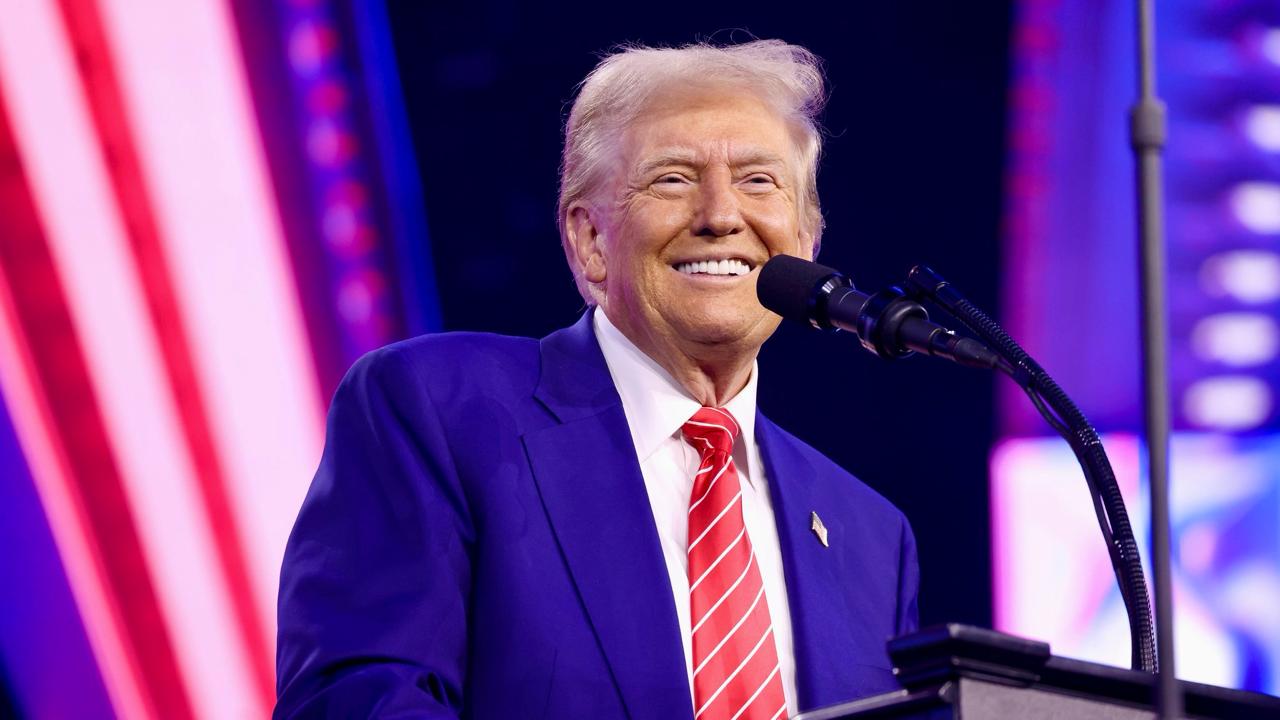
The Kennedy Center for the Performing Arts in Washington, D.C., will now bear the name of its 47th president, as the board of directors voted on December 18, 2023, to officially rename the institution the Trump-Kennedy Center. This decision, which unites the legacies of John F. Kennedy and Donald J. Trump, reflects a significant shift in the center’s management and operational direction, initiated by the current administration.
The unanimous vote by the board comes after a year of changes aimed at revitalizing the federally owned venue. In a statement, Karoline Leavitt, the White House Press Secretary, credited President Trump for his “unbelievable work” in “saving the building,” citing improvements in both its physical structure and financial reputation. She proclaimed that this dual branding would create a partnership of legacies, suggesting that the center would achieve “new levels of success and grandeur.”
Despite the enthusiasm from the administration, legal experts caution that the name change may face substantial challenges. The Kennedy Center was established under a law passed in 1964, shortly after President Kennedy’s assassination, which specifically designated the institution’s name. Analysts indicate that the current board does not have the authority to modify this name unilaterally, meaning that official changes may require intervention from Congress.
The renaming is part of a broader strategy initiated by Trump shortly after he commenced his second term. Within a month, he dismissed the previous board of directors and appointed himself as chairman. He later appointed Ric Grenell, a close ally, as the center’s president. These moves have consolidated control over the institution, aligning its operations with the White House’s agenda and allowing for increased oversight of its programming.
Trump has been vocal in his criticism of the prior management, claiming that the center had experienced a decline. He described a recent £198 million (approximately $250 million) expansion project as wasteful and has expressed a desire to eliminate what he terms “woke” programming. His administration aims to restore profitability to the venue, which operates on an annual budget of roughly £212 million (around $268 million), with approximately 16 percent of its funding sourced from the federal government.
The Kennedy Center has already begun to host high-profile events under the new leadership. In June, Trump attended a performance of Les Misérables, which elicited mixed reactions from the audience. More recently, on December 5, he utilized the venue for the 2026 FIFA World Cup Final Draw. Departing from tradition, he hosted the annual Kennedy Honors ceremony from the Oval Office on December 7, rather than attending in person.
As the Trump-Kennedy Center prepares for a new chapter, the implications of this rebranding and its potential legal obstacles remain to be seen. The unfolding situation reflects the intricate relationship between politics and the arts in the United States, as the new name becomes a focal point of debate across the nation.