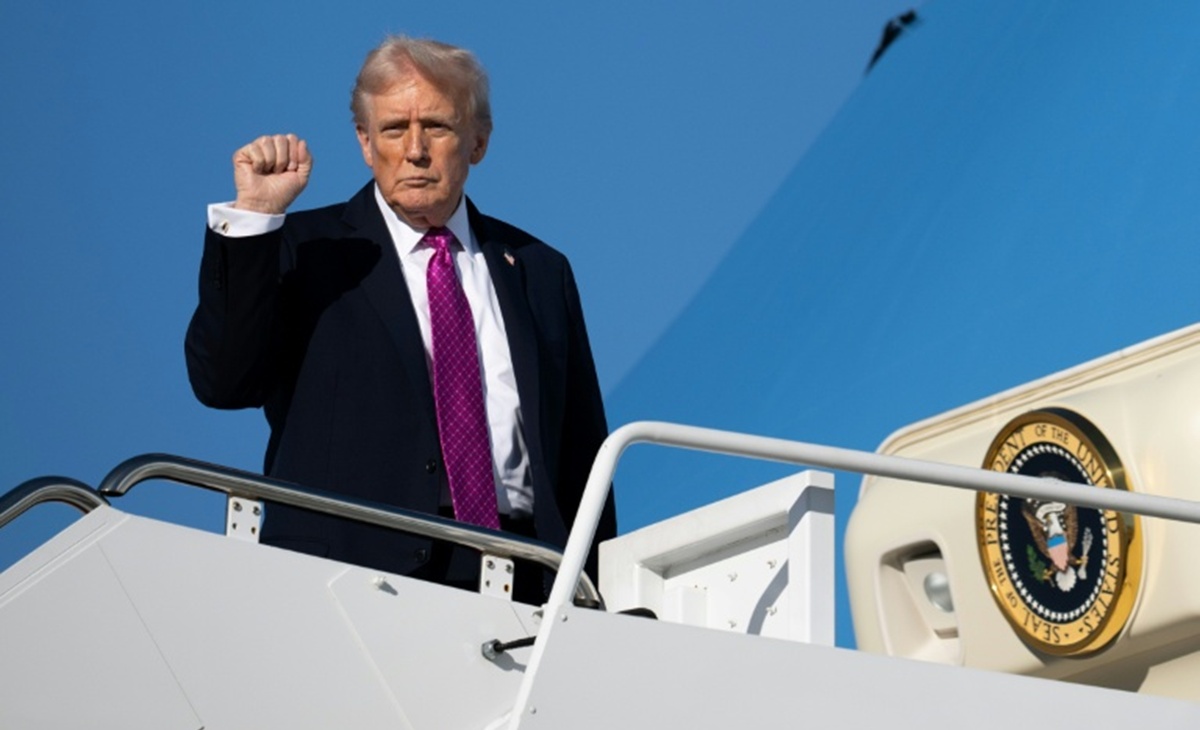
US President Donald Trump recently declared himself the ‘acting president of Venezuela’ in a striking social media post. This announcement followed the dramatic capture of Venezuelan President Nicolás Maduro and his wife, Cilia Flores, during a high-stakes military operation by the United States. The operation, named Operation Absolute Resolve, resulted in the couple being taken to New York to face serious drug trafficking charges.
The post, which resembled an edited Wikipedia entry, quickly gained traction online. It combined bold political assertions with aggressive messaging directed at Venezuela, Cuba, and global energy markets. While Trump’s claim lacks legal recognition, it has already sparked intense debate and controversy across the globe.
In response to Maduro’s apprehension, Venezuela’s Supreme Tribunal of Justice appointed Delcy Rodríguez, the Vice President, as interim president. Rodríguez has categorically rejected the US operation and denounced it as illegitimate. This swift response highlights the tension between the US and Venezuela, intensifying the geopolitical crisis.
While Trump’s declaration may not reflect reality according to official sources, it signals a clear attempt to shape the narrative following the US intervention. He issued stern warnings to Rodríguez, suggesting she could face severe consequences similar to those facing Maduro, now detained in New York.
On the social media platform Truth Social, Trump claimed credit for Venezuela’s recent decision to release political prisoners, stating the gesture occurred ‘in a big way’ following US actions. He urged the freed individuals to ‘never forget it,’ further intertwining personal narratives with political developments.
Trump did not limit his focus to Venezuela. He also threatened that no Venezuelan oil or financial aid would be sent to Cuba, indicating broader geopolitical implications of the US’s strategy. In a move to entice American investment, he called for oil companies to invest up to $100 billion in Venezuela. Trump promised control over which firms would operate and pledged US assistance to rebuild the nation’s oil infrastructure.
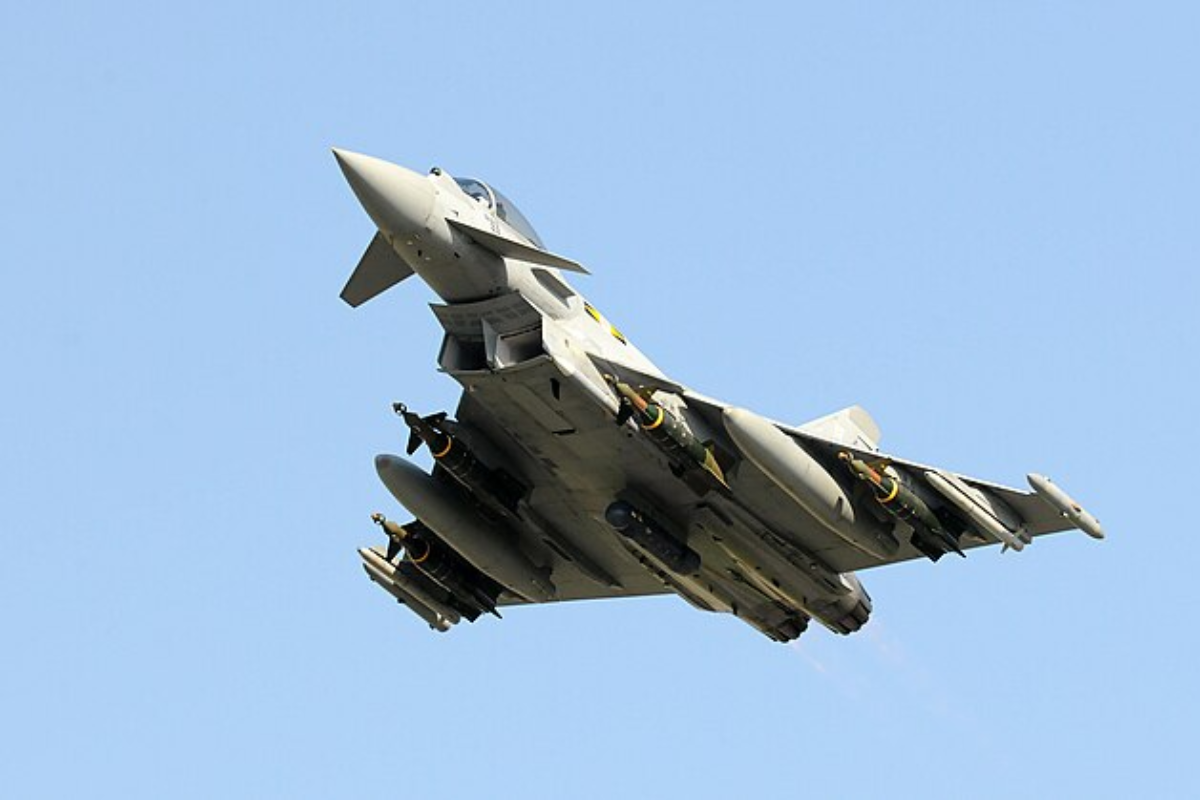
The US military has been actively pursuing Trump’s strategy to regulate Venezuelan oil distribution. Just last week, Marines and Navy personnel seized the Olina, the fifth sanctioned tanker captured in recent months during a pre-dawn operation in the Caribbean. This action was part of a broader effort to manage shipments of Venezuelan crude oil and safeguard American interests in the energy sector.
Trump has publicly praised an agreement with Venezuela’s interim leadership to supply 50 million barrels of crude oil to the US, asserting that deliveries could continue indefinitely. He framed this arrangement as a means to lower domestic energy prices and bolster US influence over Venezuela’s oil resources. Additionally, an executive order he signed ensures the protection of US funds derived from Venezuelan oil sales, indicating a long-term strategy for economic leverage.
Despite Trump’s claims regarding his influence over Venezuelan policy, the actual governance in Caracas remains under Delcy Rodríguez, sanctioned by constitutional provisions. Nevertheless, the combination of military action, control over oil resources, and bold social media declarations has positioned Trump as a significant figure in shaping Venezuela’s current geopolitical landscape, albeit unofficially.
The unfolding events illustrate the high-stakes confrontation between Washington and Caracas, showcasing how modern presidential messaging, military force, and energy strategy can intersect to influence international relations. While Trump’s post may not be officially acknowledged, it has certainly created a global spectacle, provoking conversation, outrage, and intrigue on various fronts.