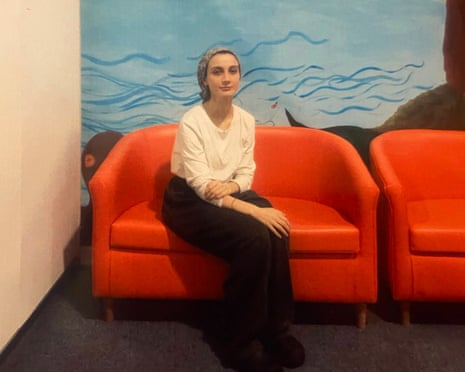
Teuta Hoxha, a 29-year-old activist linked to Palestine Action, is currently on day 42 of a hunger strike while awaiting trial at HMP Peterborough. Alongside several other activists, she is protesting their prolonged detention and the treatment they have received in prison. Hoxha describes the experience as feeling “suffocated,” with physical changes manifesting in her health, such as a greyish hue to her skin and increased grey hairs.
The group of activists is facing serious health concerns, as many have been hospitalized during their hunger strike, which began on November 2, 2023, coinciding with the anniversary of the Balfour Declaration. They are demanding immediate bail and an end to the ban on their organization, which they argue has led to them being treated as terrorists while incarcerated.
Hoxha’s hunger strike, alongside those of her comrades, has raised alarms about their well-being. The group is primarily held on remand for alleged criminal damage, aggravated burglary, and violent disorder related to actions taken at a factory owned by Elbit Systems, a manufacturer of military equipment. Their detention has exceeded the standard pre-trial custody limit of six months, with some prisoners having spent over a year in custody.
As their health deteriorates, concerns have been expressed by various officials, including Labour MP John McDonnell, who stated that every parliamentary avenue has been pursued to prompt the justice secretary, David Lammy, to intervene. Hoxha candidly acknowledges the risks associated with her hunger strike, including the potential for irreversible health issues like organ failure and blindness.
Hoxha’s situation reflects a broader historical context of hunger strikes as a form of protest, reminiscent of those conducted by the suffragettes and Irish Republican prisoners. Dr. James Smith, an emergency physician at University College London, has warned that the longer the prisoners go without food, the greater the risk of severe bodily dysfunction. He emphasizes that the hunger strikers are in a critical condition, with their health deteriorating rapidly.
The prison system has stated that it provides regular medical assessments for prisoners refusing food. However, there are growing concerns about the adequacy of care and monitoring within the facilities. Sodexo, which operates Peterborough and Bronzefield prisons, maintains that they are following established protocols to ensure the health of those on hunger strikes.
At a press conference, Hoxha’s sister, Rahma, expressed the emotional toll of the situation, stating, “I feel as if the state has taken away a piece of me.” The emotional distress is compounded by fears for Hoxha’s life as her health continues to decline.
Hoxha remains resolute in her commitment to the hunger strike, highlighting the necessity of hope and faith in their struggle. She warns that if the authorities do not take action, they must prepare for a significant scandal regarding the treatment of prisoners and the consequences of their inaction.
As the hunger strike progresses, the activists are determined to draw attention to their cause and the broader implications of their treatment in the justice system. Their fight for recognition and the right to protest continues, as they face an uncertain future behind bars.