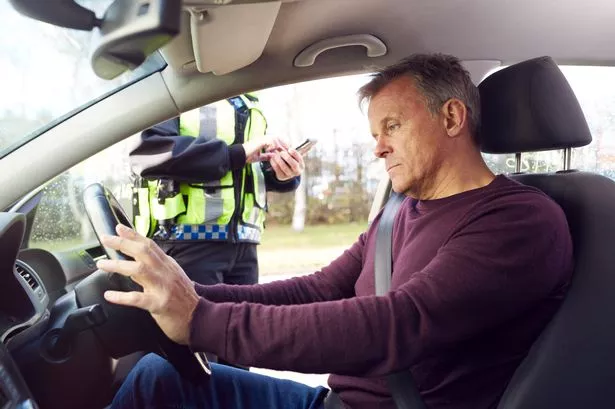
Police in the UK are now equipped to conduct immediate roadside vision checks, a significant change introduced under Cassie’s Law. This legislation, named in memory of 16-year-old Cassie McCord, who tragically lost her life due to an incident involving an elderly driver with impaired vision, empowers officers to revoke driving licenses on the spot if vision standards are not met.
Under this new procedure, police can contact the Driver and Vehicle Licensing Agency (DVLA) directly from the roadside. If a driver fails a vision test—reading a standard UK number plate from a distance of 20 metres, approximately five car lengths—officers can immediately declare the individual unfit to drive.
Importance of Vision Standards
Many drivers may not realize that they could be operating their vehicles illegally. Charlie Reid, Company Director at Riverside Car Sales, highlights that the perception of adequate vision often leads drivers to underestimate their need for corrective measures. “The test might sound simple, but you’d be surprised how many drivers struggle with it,” Reid explains. “If you can’t read the plate clearly, you’re designated as not legally fit to drive.”
Reid urges all drivers to honestly assess their vision. He states, “If you’re squinting at road signs or having difficulty reading number plates, that’s a signal for change.” Regular eye examinations, ideally every two years, are critical for maintaining safety on the roads. For those over the age of 70 or experiencing changes in their vision, more frequent checks are advisable.
The Risks of Poor Vision
Deterioration in eyesight can occur gradually, leading many to remain unaware of their declining vision. Reid points out that individuals who passed their driving tests years ago with perfect vision may now be unaware of their legal obligations. “Vision changes happen slowly, so your brain adapts, and you don’t always notice you’re struggling,” he adds.
Failing to meet legal eyesight standards not only constitutes a violation of the law but also significantly heightens the risk of accidents. Poor vision affects reaction times, hazard perception, and distance judgment. Studies indicate that drivers with uncorrected vision problems experience longer braking distances. Reid emphasizes, “If you can’t see a hazard clearly until you’re much closer, you have less time to react.”
Depth perception is another critical area affected by inadequate vision. Misjudging the distance to other vehicles or failing to spot pedestrians can lead to tragic outcomes. “When your vision isn’t up to standard, everything takes longer to process,” Reid warns. “You’re putting yourself and every other road user in danger.”
To mitigate these risks, drivers should prioritize regular eye tests. Reid advises, “Don’t wait for your next routine appointment if you notice changes in your eyesight. Book an appointment immediately.” Additionally, those who wear glasses or contact lenses are reminded to ensure they always have them while driving, and keeping a spare pair in the vehicle can prevent complications.
The introduction of Cassie’s Law serves as a crucial reminder of the importance of maintaining legal vision standards for all drivers. By being proactive about eye health, individuals can help ensure safer roads for everyone.