Political tensions in Montenegro are escalating as the country navigates a significant transformation in its political identity. The ruling party, known as the Pokret Evropa Sad (PES), is grappling with its identity while the political scene shifts towards more pronounced ethnic and religious narratives. Although Montenegro retains elements of its civic character, the emergence of these narratives is creating divisions among the populace.
As the nation approaches the upcoming elections, figures such as Andrija Mandic, the leader of the New Serbian Democracy party, are actively reinforcing their political identities. Mandic, who also serves as the President of the Parliament, has engaged with influential representatives from Europe and the United States, aiming to bolster support for his party’s agenda. His actions reflect an ongoing trend of political maneuvering that may further polarize the electorate.
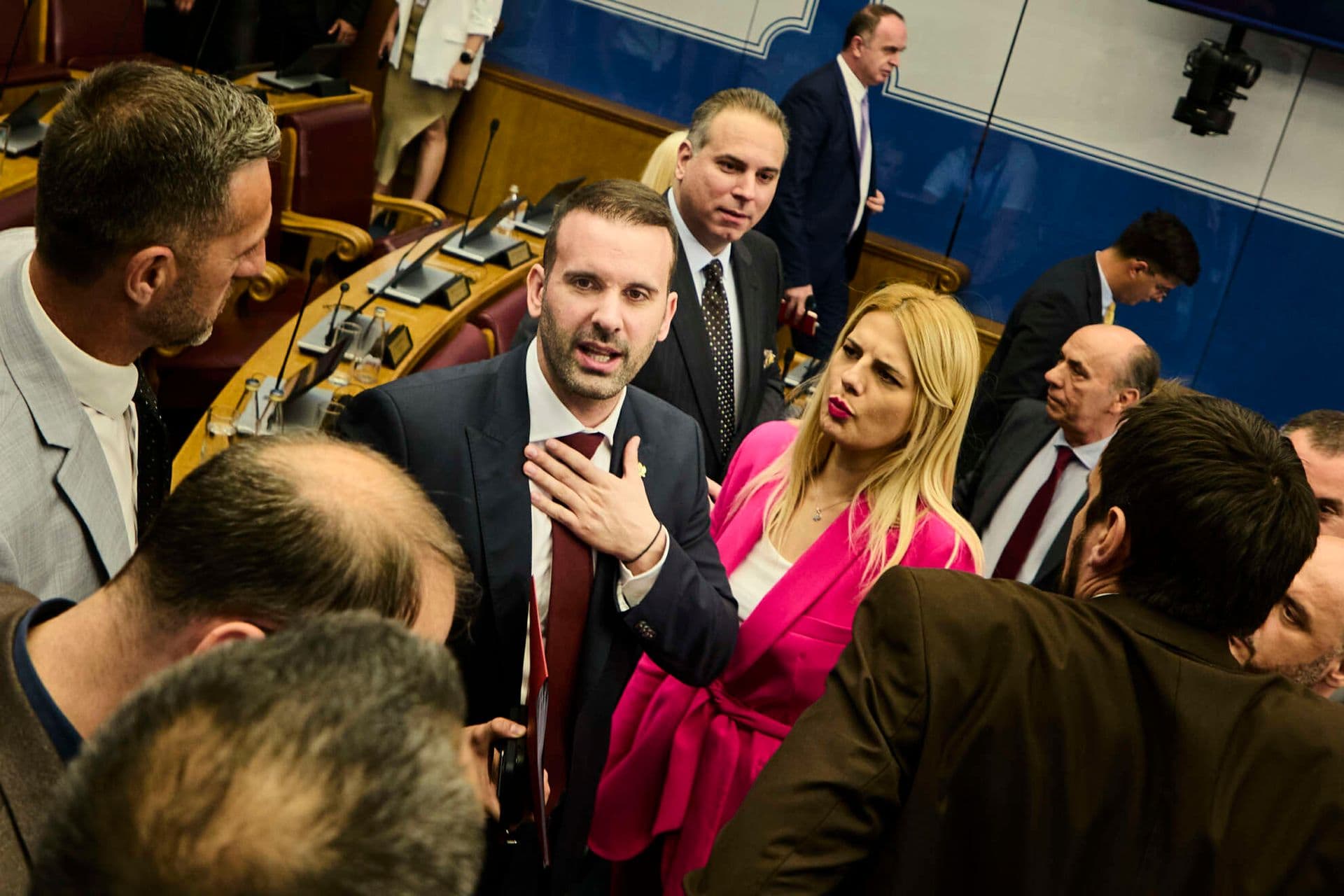
In late 2024, Prime Minister Milojko Spajic urged coalition partners to adopt his political platform, Barometar 26, which emphasizes a swift path to European Union membership. Despite this call for unity, the ruling coalition has revealed deep divides, particularly regarding sensitive issues that could exacerbate ethnic or religious tensions. Spajic’s claim that all ministers accepted the document is challenged by the reality that it has only been endorsed by known proponents of pro-European ideals.
Political Dynamics and National Identity
The political climate has seen a shift towards agendas that do not align with Montenegro’s official commitment to EU accession. Mandic’s recent meetings, including one with Sir Lindsay Hoyle, Speaker of the House of Commons, have raised eyebrows due to his emphasis on Christian morals as a guiding principle for Montenegro’s future. This approach is concerning for many observers, given the country’s constitutional status as a civic state, which celebrates its diverse religious and ethnic communities.
Adding to the complexity, PES recently became a member of the Centrist Democratic International (CDI), an organization associated with right-leaning political entities. This membership indicates a potential alignment with more populist and nationalist policies, which could undermine the country’s secular and civic values. Political analyst Nikoleta Đukanovic noted that this shift could lead to increased divisions among citizens, as political legitimacy begins to focus on differences rather than universal values.
Đukanovic emphasized the importance of Montenegro’s strong civic legacy, asserting that state institutions must operate within this framework to prevent exacerbating existing identity tensions. She called for a renewed commitment to a secular and inclusive societal model, stressing the need for institutional accountability.
Future Implications of Political Alignments
For Neira Sabanovic, a doctoral candidate at the Free University of Brussels, PES’s membership in CDI signifies the acceptance of values associated with right-wing parties. She asserts that this partnership comes with expectations that will shape the party’s political maneuvers in the future. While Sabanovic suggests that PES may adopt more conservative tones, she also acknowledges that the party has historically shifted its stance based on political convenience.
This evolving political landscape presents a challenging scenario for PES, which has yet to solidify its identity while Mandic and his allies actively promote theirs. As Mandic assumes the role of a political missionary, advocating for his values, Knezovic leads initiatives that may further alienate the opposition, rendering them less visible in the political discourse.
In conclusion, Montenegro’s political environment is at a crossroads, where the interplay of identity, religion, and populism will significantly influence its path to EU integration. As parties realign and new agendas emerge, the implications for social cohesion and national unity remain uncertain, requiring careful navigation to preserve the country’s diverse heritage.