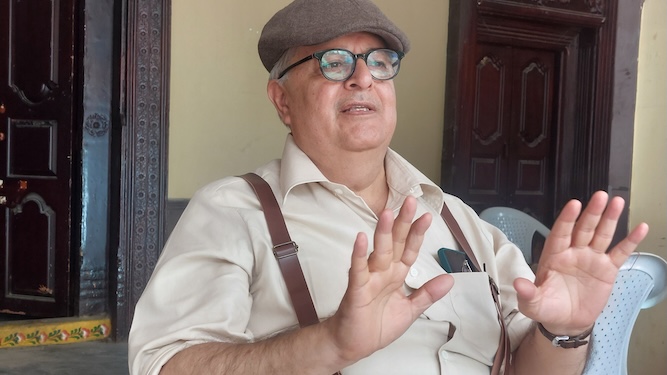
A 61-year-old man has unwittingly emerged as a vocal supporter of breastfeeding, following a misunderstanding of the phrase “breast is best.” Roy Hobbs, who has no personal experience with breastfeeding, expressed his admiration for the female form in a light-hearted commentary that has sparked discussions around the topic.
Hobbs, a self-proclaimed fan of women’s physical attributes since his youth, stated, “Long legs, a stunning face, a toned stomach – they’ve all got their adherents. But it’s got to be tits for me, every time.” His comments, made in jest, highlight a cultural perspective on body image while reaffirming his unexpected stance on the importance of breastfeeding.
Hobbs has clarified that he holds no political agenda regarding breastfeeding choices and acknowledges differing opinions on the matter. “Not everyone will agree with me, and I know my preferences may seem controversial in the current climate with Labour being in,” he remarked. He emphasized that his personal preferences do not extend to dictating others’ choices, adding, “If you’re bang up for Kim Kardashian, I’m not knocking it. It’s just bums have never done it for me personally.”
Support from Advocacy Groups
The comments have garnered attention from organizations advocating for breastfeeding. Emma Howard, a representative from The Breastfeeding Network, expressed delight at Hobbs’ enthusiastic yet unconventional support. “Breast milk has everything that a growing baby needs, and it’s heartening that a childless single man is such a passionate advocate,” she said.
When asked about the impact of early 2000s controversies surrounding Nestlé, Hobbs humorously deflected, asking whether “she was in Nuts,” referring to a popular magazine. This light-hearted remark underscores his lack of awareness of the broader discussions around infant nutrition and corporate ethics.
The conversation around breastfeeding remains complex and often contentious, with public figures and organizations advocating for various stances. Hobbs’ unexpected entry into this discourse serves as a reminder of the diverse perspectives that can arise in discussions about parenting and health.
As society continues to debate the best practices for infant nutrition, Hobbs’ comments remind us that advocacy can come from the most unlikely sources, presenting opportunities for meaningful dialogue on the subject.