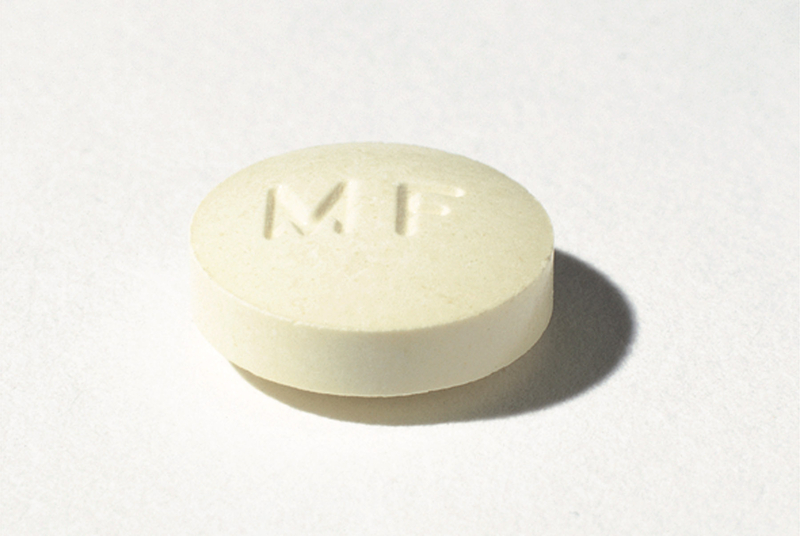
Proposals to regulate medication abortion are anticipated to gain momentum in 2026 as state and federal lawmakers respond to ongoing debates surrounding the safety and environmental impact of abortion pills, particularly mifepristone. Abortion opponents, despite a lack of substantial evidence, assert that these medications pose risks to both health and the environment. This push comes as the United States enters its fourth year without federal abortion rights protections.
With several lawsuits surrounding the abortion drug mifepristone currently making their way through the courts, legislative actions aimed at restricting access to medication abortion are likely to escalate. A significant number of lawmakers in states with strict abortion bans have already filed bills to impose additional regulations, setting the stage for a contentious year ahead.
Emerging Legislative Trends
Over recent years, the national anti-abortion organization, Students for Life of America, has propagated claims that mifepristone contaminates U.S. waterways and drinking supplies. They have also developed model legislation aimed at regulating the disposal of medication abortions and have called for environmental studies at both federal and state levels. In 2025, bills were introduced in at least seven states to either create environmental regulations for mifepristone or mandate studies on its environmental effects.
In states like Texas, Wisconsin, and Wyoming, proposed legislation would have required the testing of community water systems for traces of mifepristone. Other bills in Maine, Montana, Pennsylvania, West Virginia, and Wisconsin sought to mandate that providers supply medical waste kits for patients to return tissue after a medication abortion. Such measures aim to curb the common practice of flushing tissue, which often occurs during early pregnancy.
While these proposals failed to pass, they are expected to resurface in 2026, as abortion opponents persist in their efforts to advocate for environmental regulations concerning abortion pills. In June, a group of 25 congressional Republicans wrote to the U.S. Environmental Protection Agency (EPA) seeking information on potential regulations for mifepristone, indicating a clear intent to pursue this agenda at the federal level.
Legal Actions and New Bills in Florida and Ohio
In Florida, where abortion is currently banned at six weeks of gestation, lawmakers have advanced a bill, HB 289, that would permit parents to file wrongful death lawsuits for the loss of a developing fetus. This bill, which aims to allow claims for damages relating to mental pain and loss of support, has been met with criticism from various advocacy groups, including the American Civil Liberties Union of Florida.
Another significant bill in Florida, HB 663, would allow family members to sue individuals for providing or attempting to provide an abortion, up to two years after the event, with damages potentially reaching $100,000. This legislation highlights the growing trend of imposing severe legal repercussions for those involved in abortion care.
In Ohio, despite a constitutional amendment approved by voters in 2023 to protect abortion rights, Republican lawmakers have been actively proposing bills that create barriers to accessing abortion services. One such bill, SB 309, could complicate access to medication abortion by introducing additional requirements and mandating that doctors provide a state-mandated script regarding the risks associated with mifepristone.
In November 2023, the Ohio House passed HB 485, which would require students in grades five through twelve to view a fetal development video produced by the anti-abortion group Live Action. This initiative has raised concerns among reproductive health advocates who question the educational integrity of the material being presented.
Privacy Concerns and Future Federal Actions
As legislative activity intensifies, privacy concerns surrounding reproductive health are also at the forefront. States that protect abortion rights are pushing for enhanced medical and data privacy measures. In Indiana, Senator La Keisha Jackson has introduced SB 109, which seeks to ensure that reports related to abortions remain confidential and exempt from public record disclosure.
Additionally, in Washington, lawmakers are drafting regulations to manage license plate readers to prevent misuse of surveillance data in seeking out individuals who have undergone medication abortions. This follows reports of authorities using such technology to track women across state lines.
Looking ahead to 2026, significant federal policy decisions are expected as the Biden administration navigates the contentious landscape surrounding abortion care. The Food and Drug Administration (FDA) is currently reviewing the safety of mifepristone, while calls for policy changes continue to emerge from various sectors. The future of funding restrictions on organizations like Planned Parenthood could also hinge on upcoming discussions regarding Medicaid policies.
As the political climate shifts, the intersection of healthcare, environmental policy, and reproductive rights will likely remain a focal point for lawmakers and advocacy groups alike. The ongoing legislative battles exemplify the complexities and challenges faced in the evolving landscape of abortion rights in the United States. This story was originally produced by News From The States, part of a nonprofit news network dedicated to reporting on state-level issues.