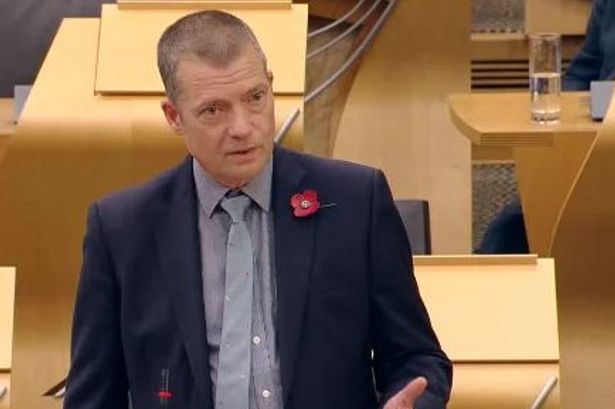
A proposal aimed at enhancing political accountability in Scotland has been decisively rejected in the Scottish Parliament. The Scottish Parliament (Recall and Removal of Members) Bill, introduced by Lanarkshire MSP Graham Simpson, failed to pass during its third and final vote on October 31, 2023. This legislation, which took five years to prepare, sought to empower voters to recall Members of the Scottish Parliament (MSPs) through a petition process if they were criminally convicted or found to have breached parliamentary standards.
The bill was crafted to ensure that constituents could hold their elected representatives accountable between elections, particularly in cases involving serious legal or ethical breaches. Mr. Simpson criticized the outcome, stating, “MSPs have today voted to protect themselves even if they are jailed for up to a year or are barred from parliament for over 10 days for serious breaches of the rules.” He characterized the vote as a politically motivated decision by establishment parties to maintain the status quo, suggesting that it was a “tawdry stitch-up.”
The bill, originally proposed when Mr. Simpson was a member of the Conservative Party, was colloquially referred to as Mackay’s Law. This name was derived from former Finance Secretary Derek Mackay, who faced significant scrutiny after failing to attend Holyrood for over a year due to allegations involving inappropriate communications with a minor. Should the legislation have been enacted, it would have aligned Scottish parliamentary procedures with those of Westminster, where constituents can initiate a recall petition under similar circumstances.
The need for such legislation gained urgency following incidents like the Michael Matheson scandal. He faced accusations of misleading Parliament regarding substantial personal expenses. Matheson received a record ban of 27 sitting days from Holyrood, an event that intensified calls for the proposed recall system.
Despite the pressing need for accountability, the legislation encountered strong opposition. SNP Parliamentary Business Minister Graeme Dey articulated his party’s concerns, arguing that it would be “unfair” to impose such a framework on future parliamentarians without clarity surrounding the complaints and sanctions process. He emphasized the potential burden on MSPs, as the consequences of their decisions could lead to the end of a colleague’s political career.
The Scottish Tories expressed discontent with the bill’s perceived dilution, arguing that it did not adequately address the needs for accountability. Sue Webber criticized the changes, asserting that the bill would not have been stringent enough to remove members like Mackay. Similarly, Scottish Labour Business Manager Martin Whitfield suggested that the SNP’s resistance to the legislation reflected a desire to protect their own interests over those of the public. He stated, “The people of Scotland can draw their own conclusions about why the SNP might not want them to have the power to recall MSPs who are not fit for office.”
The final vote revealed a significant divide, with the outcome recorded as 30 votes in favor and 66 against. The Scottish Tories chose to abstain, highlighting the contentious nature of the debate surrounding political accountability in Scotland.
As the political landscape evolves, the implications of this decision may resonate with constituents, particularly as they prepare for the upcoming elections in May 2024. The rejection of this bill raises questions about the future of accountability measures within the Scottish Parliament and the relationship between voters and their elected representatives.