The Labour Party, under the leadership of Sir Keir Starmer, has faced backlash after announcing its decision to partially backtrack on plans to impose inheritance tax on farms. This move, intended to increase tax revenue, has created dissatisfaction among rural communities who feel that the party does not understand their needs or way of life. The new threshold for paying inheritance tax has been raised from £1 million to £2.5 million, a change that many in the countryside view as insufficient to alleviate the financial pressures on family farms.
Backlash Over Inheritance Tax and Hunting Ban
Despite the increase in the inheritance tax threshold, a significant portion of farmers remain concerned that many family farms will struggle to survive. Labour’s recent actions suggest a lack of awareness regarding the complexities of rural life. During the same week that the party announced the inheritance tax adjustments, it also revealed plans to ban trail hunting with dogs, a decision expected to provoke strong opposition from rural constituents.
Trail hunting, which involves hounds following a scent laid across fields, has long been a subject of controversy. While the practice is often portrayed as innocuous, critics argue that it can inadvertently lead to the chasing and killing of foxes. Supporters of trail hunting contend that the practice is vital to rural communities and contributes an estimated £100 million annually to the rural economy.
Many believe that Labour’s proposed ban could devastate hunts across England, similar to the impact seen in Scotland where nearly half of hunts have closed since trail hunting was outlawed in 2023. Should the ban proceed, it is feared that hundreds, if not thousands, of foxhounds may need to be euthanized due to the lack of purpose for the hunts.
Political Implications and Community Response
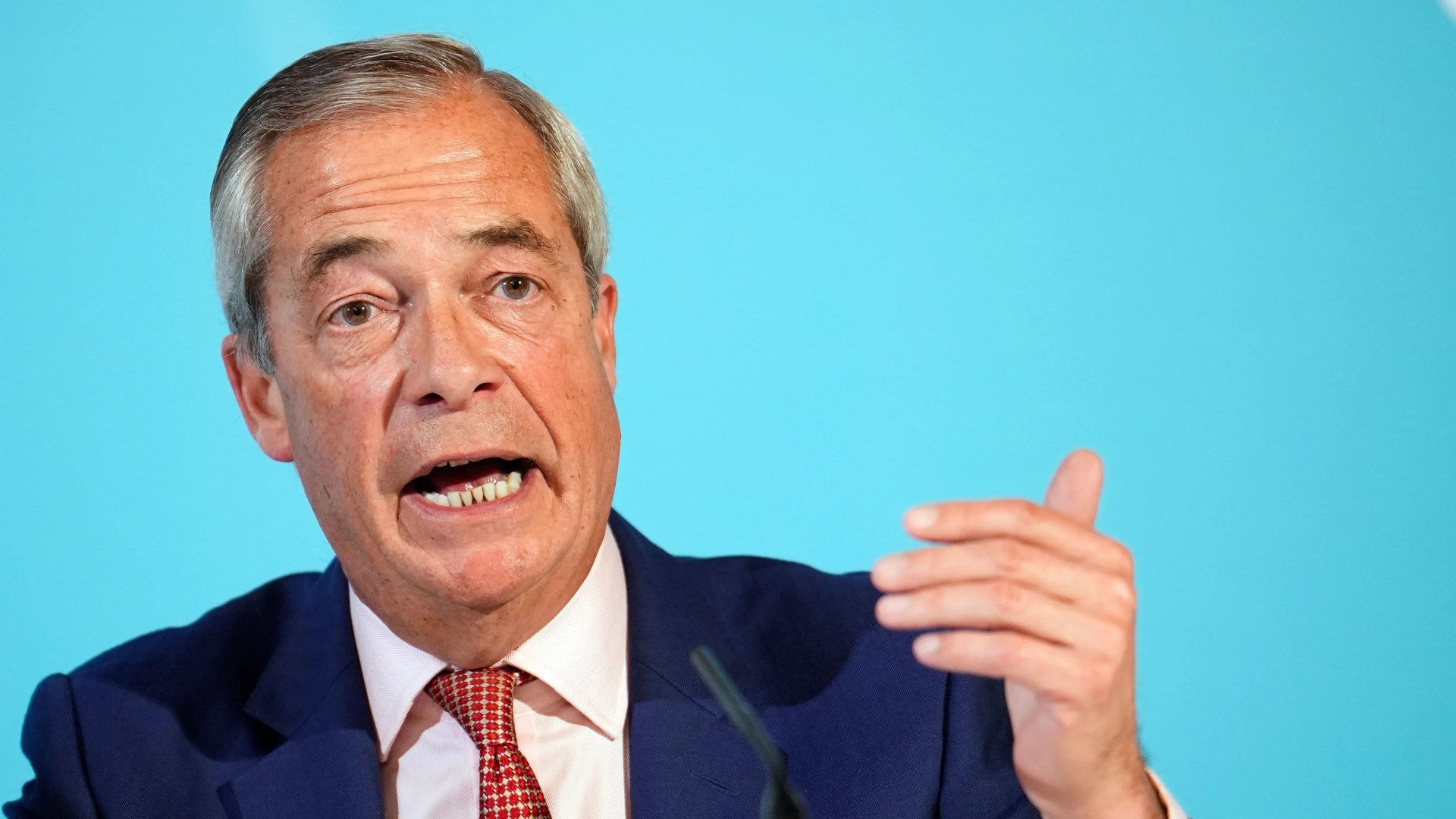
The implications of Labour’s policies extend beyond mere economics. The party’s approach could alienate a significant segment of the population that finds joy and tradition in hunting activities. Nigel Farage, leader of the Reform Party, has criticized Labour’s stance, labeling the party as “authoritarian control freaks” for attempting to restrict personal freedoms in this manner. He has positioned himself as a defender of rural traditions, aligning with many who oppose the ban.
Critics of Labour’s leadership, including notable figures like Chris Packham, have expressed strong opposition to hunting practices. Packham, a well-known environmental campaigner, described the Tiverton hunt in Devon as “ethically and morally bankrupt,” reflecting the polarized views on the issue.
The challenge for Sir Keir Starmer lies in balancing the expectations and desires of urban voters with those of rural communities. Recent history suggests that failing to do so could lead to significant political consequences. Former Prime Minister Tony Blair learned this lesson during his tenure when his attempts to abolish hunting sparked widespread controversy and backlash. Blair later acknowledged that the issue brought him more “grief” than any other political matter.
As Labour continues to navigate these complex issues, it remains to be seen whether Starmer will heed the lessons of the past or risk further alienating rural voters. The potential ban on trail hunting may not only affect employment and livelihoods but also represent a broader struggle over personal freedoms in the face of government intervention.
In conclusion, the recent policy decisions made by Labour have ignited a contentious debate over the rights of rural communities and their way of life. As Starmer faces increasing scrutiny, a united opposition from those who feel disenfranchised may rise to challenge the party’s trajectory.