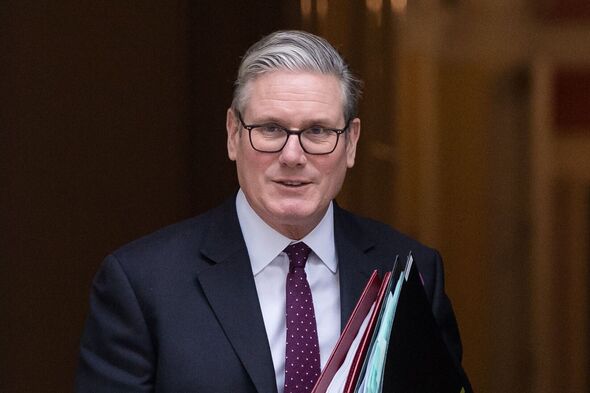
The Labour Party is under fire for its proposed digital ID scheme, with critics accusing it of displaying “utter contempt” for pensioners and vulnerable communities. Ahead of a government consultation scheduled for early 2024, campaigners are raising alarms about the implications of these plans for older individuals who may lack access to technology.
Sir Keir Starmer, leader of the Labour Party, unveiled the digital ID initiative in September 2023. The aim is to streamline access to essential government services and address the ongoing crisis surrounding small boat crossings in the UK. However, advocacy group Silver Voices has highlighted significant concerns regarding the impact on older adults who do not engage with the internet or own smartphones.
Dennis Reed, director of Silver Voices, articulated the group’s worries, stating, “The 4.5 million people who do not possess a smartphone and the two million households who are offline are being told that unless they wise up to the digital revolution, they can forget having access to many private and public services in the future. The failure of the Government to even think about the digitally excluded before announcing its compulsory digital ID plans shows utter contempt for the most vulnerable sections of the community.”
Reed further criticized the Labour Party, noting their historical concern for working-class individuals, suggesting that their current policies risk repeating the hardships faced during the Victorian industrial revolution, now in the context of the digital era.
Under the proposed framework, digital ID will become mandatory for employment in the UK, ostensibly to combat illegal immigration. Despite these measures, Starmer has asserted that individuals who choose not to adopt the digital ID will still retain access to critical services.
The debate intensified following comments from Darren Jones, the Prime Minister’s chief secretary, who suggested that digital ID could serve as “the bedrock of the modern state.” This statement has fueled public apprehension regarding the potential consequences of mandatory digital identification.
Public sentiment appears to be shifting against the digital ID initiative. A petition against the introduction of digital ID has garnered nearly three million signatures on the official Parliament website. Additionally, a recent YouGov poll indicated a marked decline in public support for the scheme following the Prime Minister’s announcement.
Opposition parties, including the Conservatives, Reform UK, and the Liberal Democrats, have also voiced their objections to the digital ID proposal, citing concerns about accessibility and privacy.
In response to the backlash, a government spokesperson stated, “We will launch a major inclusion drive which will look at providing face-to-face support and hands-on help for those who need it. Making this system work for everyone will be a top priority, including people who often currently struggle to access modern services, whether that’s because of their age, economic status, or lack of digital skills.”
The spokesperson emphasized that the new digital ID scheme will be inclusive, secure, and designed to give individuals greater control over their data, ultimately aiming to enhance accessibility to public services across the UK.
As the consultation draws closer, the dialogue surrounding digital ID continues to evolve, with significant implications for various demographic groups, particularly the elderly. The Labour Party’s approach will be closely scrutinized as it seeks to balance technological advancement with the needs of its most vulnerable citizens.